Best family SUVs for £15,000-£20,000 in 2026
Search for the best family SUV UK dealers actually have in stock and you'll quickly notice the £15,000-£20,000 band is where the market gets interesting. Below that, you're often compromising on space or age. Above it, you're paying a premium for a car that isn't meaningfully better for the school run. This budget buys a three or four-year-old mid-size SUV with a five-star safety rating, a genuinely usable boot, and enough space in the back for two child seats and a friend to squeeze in for the football run.
We've picked six SUVs that earn their place on this list because real families buy them, not because they look good on a spec sheet. Each one has a distinct personality, and none of them is right for everyone. That's the point of a proper buying guide.
What to look for in a family SUV at this budget
Mileage matters more than age in this bracket. A 2021 car with 60,000 motorway miles can be a safer bet than a 2022 car that's covered the same distance on stop-start school runs, purely because motorway miles are gentler on clutches, brakes and DPFs. Always check the before you commit, and don't assume a dealer forecourt price is fixed — there's usually room to negotiate, especially on cars that have been sitting for a few weeks.
Boot space and rear legroom vary more between these six cars than you'd expect from looking at exterior dimensions alone. A Peugeot 5008 and a Nissan Qashqai are similar lengths, but the 5008's third row (on 7-seat versions) and boxier rear end give it a real practicality edge. If you need three child seats across the back row, measure before you buy — Isofix width and middle seat comfort differ enormously by model.
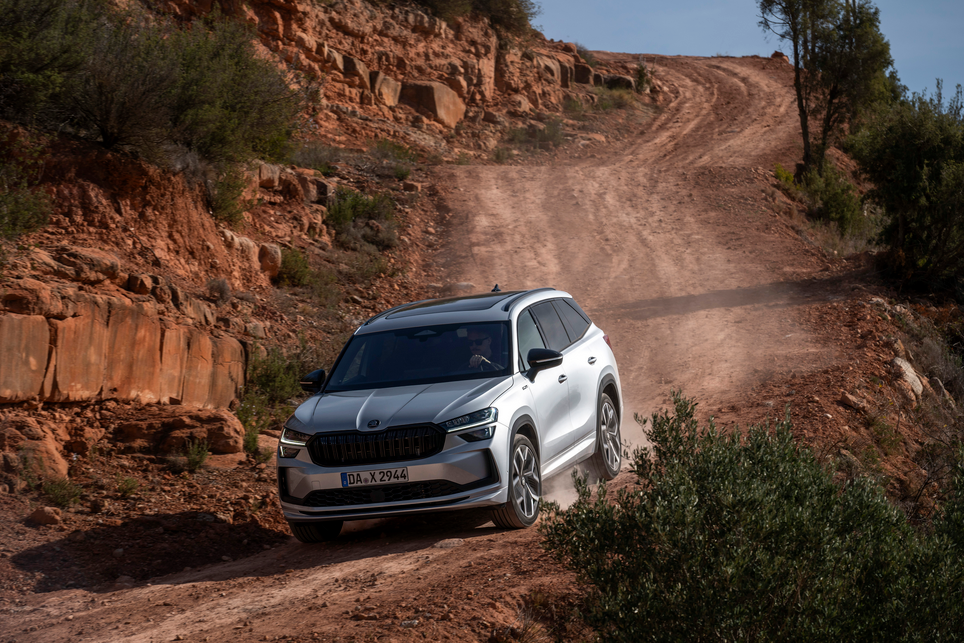
Skoda Kodiaq
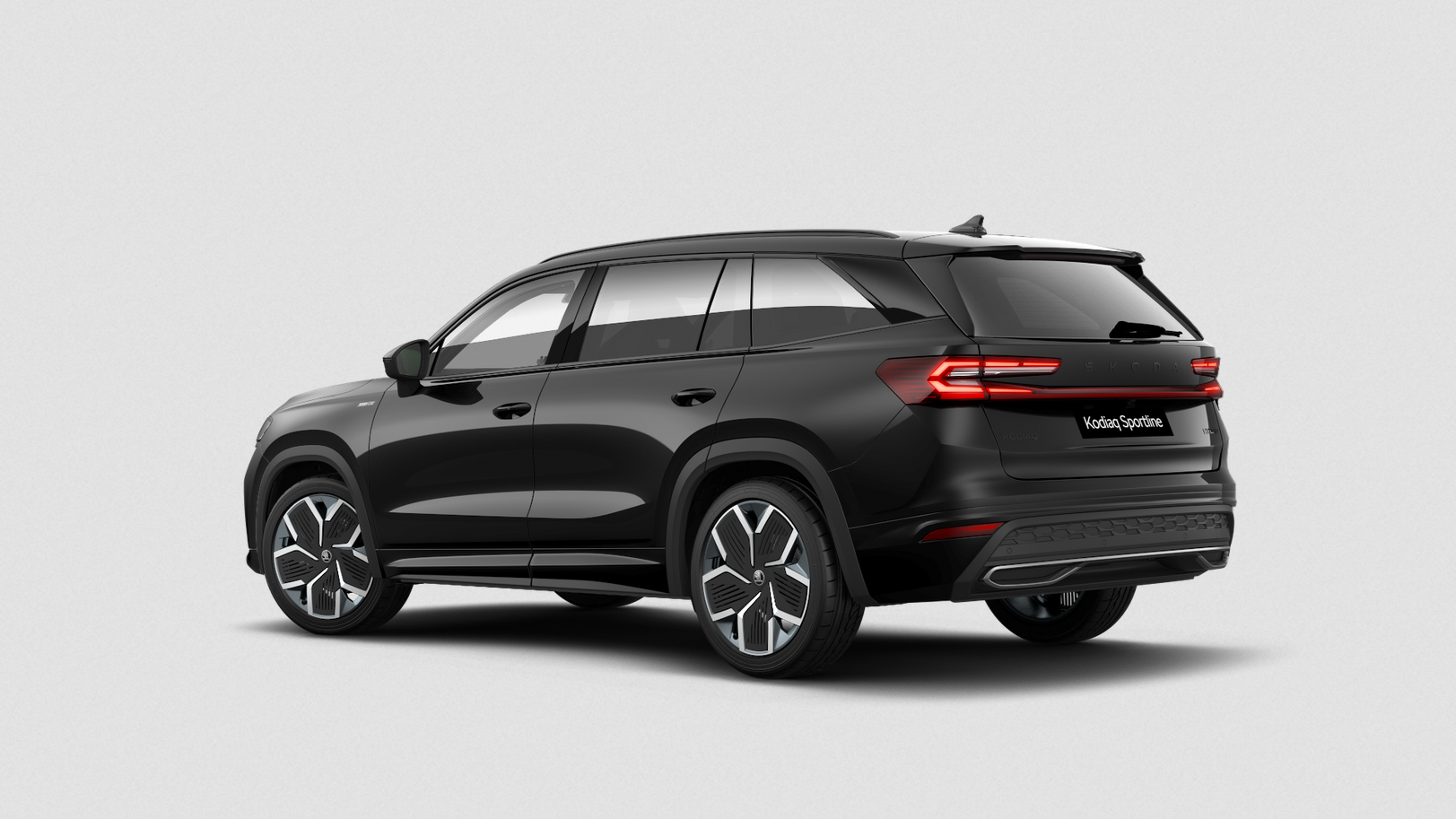
The Kodiaq remains one of the smartest family SUV buys in this budget, and it's the one we'd point most families towards first. A 2021-2022 SE L with the 2.0 TDI diesel and 148-150bhp typically costs £18,000-£20,000 with 30,000-45,000 miles, and that gets you genuine seven-seat practicality with a third row that adults can tolerate for short trips. The boot holds 630 litres in five-seat mode, dropping to a still-useful 270 litres with all seven seats in place.
Build quality borrows heavily from the Volkswagen Group parts bin, which means it's mechanically related to the Volkswagen Tiguan Allspace and shares reliability data with some of the most common cars on UK roads. The DSG automatic gearbox, where fitted, needs its oil changed every 40,000 miles regardless of what the service schedule says — ask for proof this has been done on any car past that mileage.
 1 / 2
1 / 2Nissan Qashqai
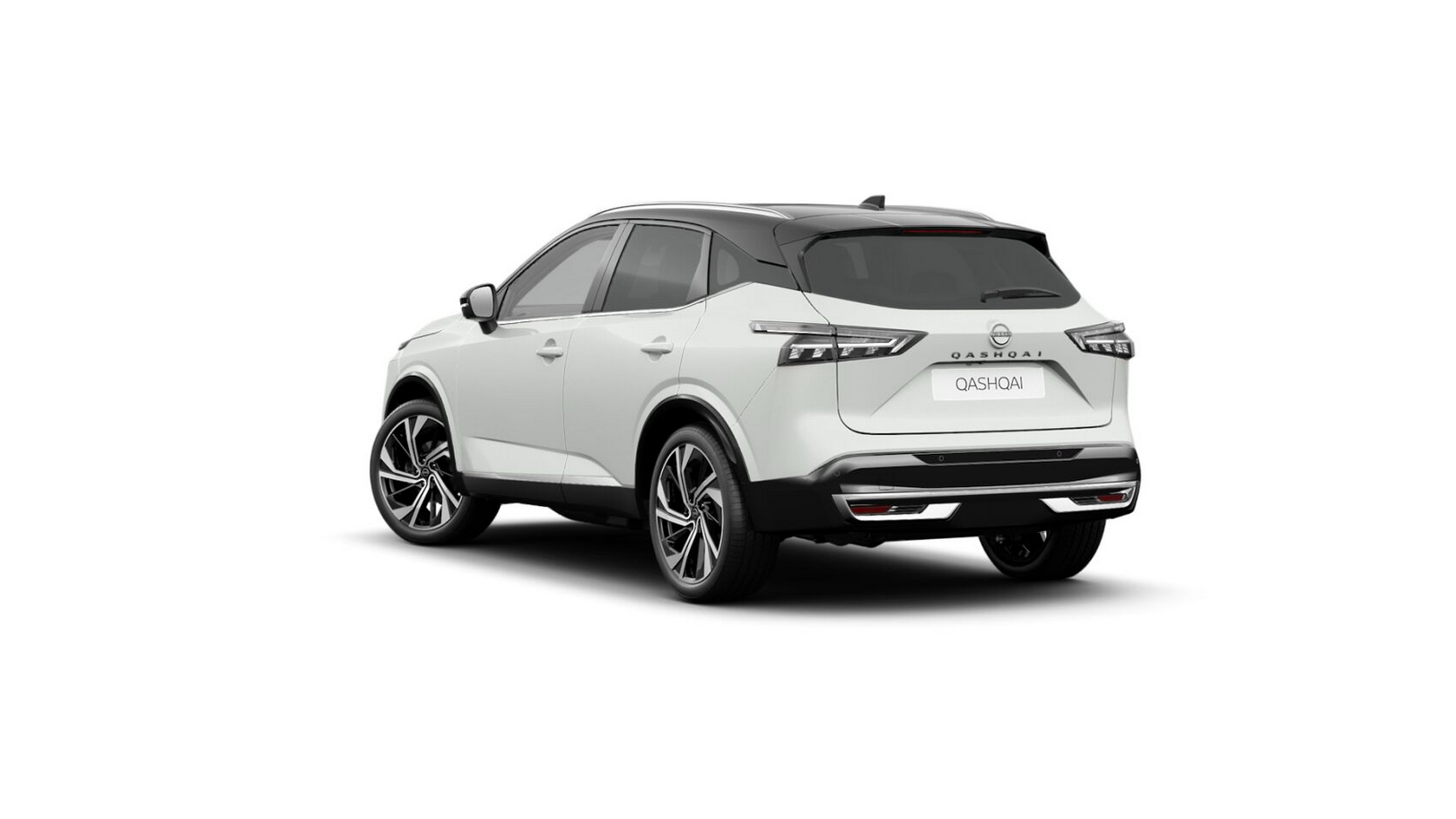
The Qashqai is Britain's default family SUV for a reason: it's the right size for most driveways, most car parks, and most families who don't need a third row. A 2022 Qashqai Acenta Premium or N-Connecta with the 1.3-litre mild hybrid petrol engine sits comfortably in the £16,000-£19,000 range with 20,000-35,000 miles on the clock.
What you notice living with one day to day is how unremarkable it is in the best sense. The ride is settled, the controls are simple, and the boot's 504 litres is enough for a weekly supermarket run plus a pushchair. It won't excite you on a B-road, and the interior plastics in lower trims feel a class below rivals like the Peugeot 5008. But reliability data from owner surveys consistently places the Qashqai near the top of the mainstream SUV pack, and that counts for more than a plush dashboard when you're covering 12,000 miles a year with kids in the back.
 1 / 2
1 / 2Peugeot 5008
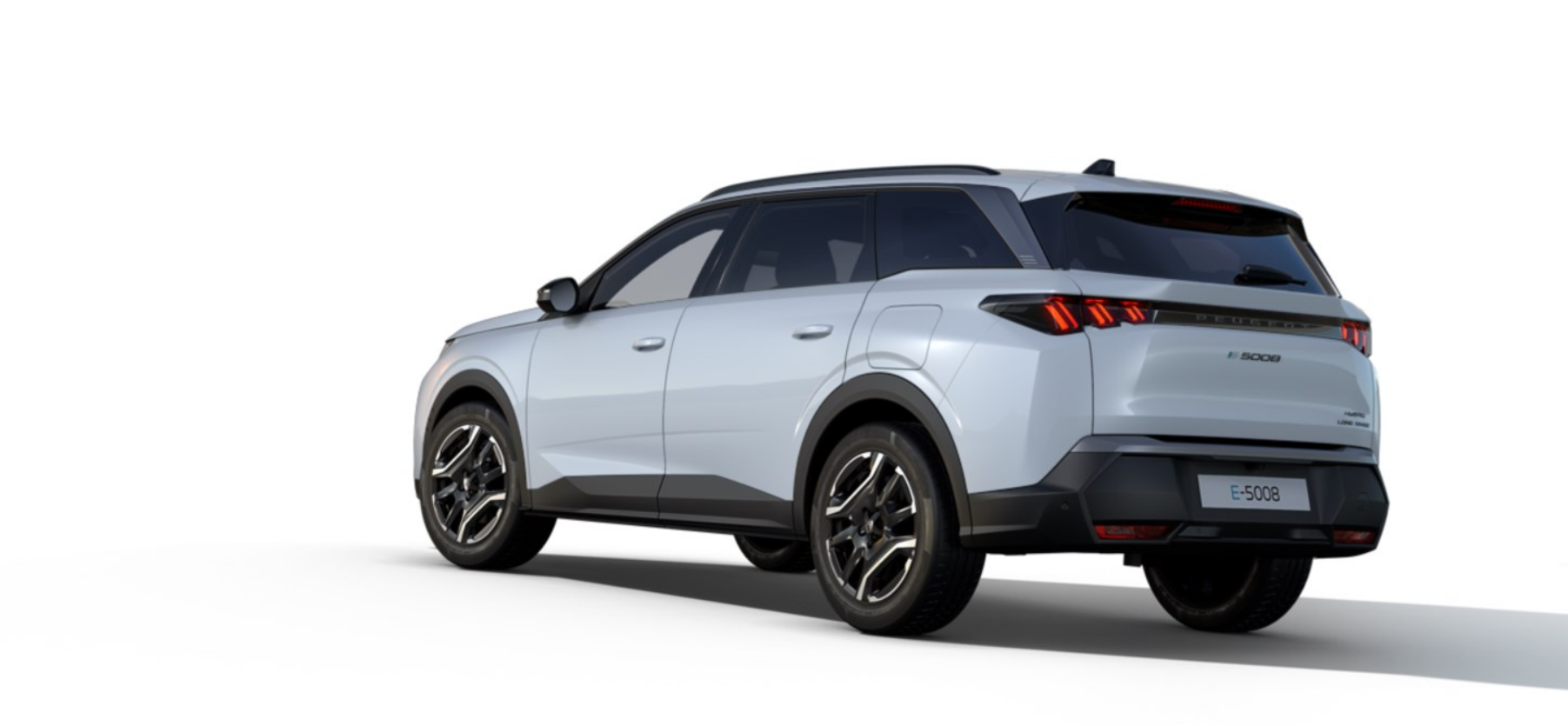
If you want three rows without stepping up to a full-size SUV, the 5008 is the sharpest-looking way to get them. A 2021-2022 Allure or GT with the 1.5 BlueHDi diesel runs £17,000-£20,000 with typical mileage, and the boxy rear end genuinely pays off in third-row headroom that shames some rivals twice its size.
The cabin is where Peugeot has taken the biggest gamble: the small steering wheel and high-set dials, which Peugeot calls i-Cockpit, either suit you immediately or never quite do. Tall drivers sometimes find the wheel obstructs the instrument cluster, so try before you buy. Reliability has historically lagged behind the Japanese and Korean rivals on this list, with reports of minor electrical gremlins on early cars, so a full service history matters more here than on a Qashqai or Sportage.
 1 / 2
1 / 2Kia Sportage
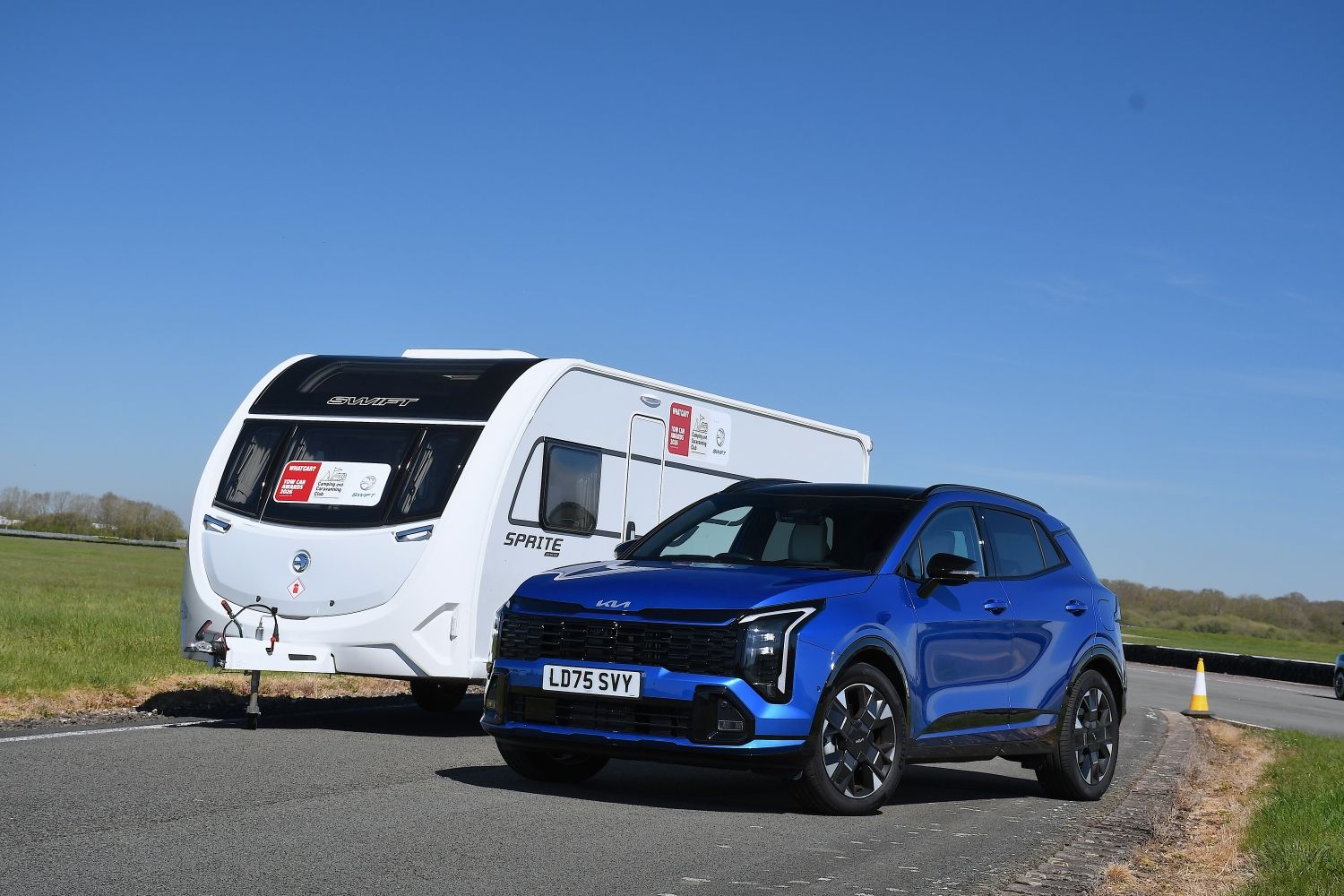
The current-generation Sportage, on sale since 2021, is arguably the most complete all-rounder on this list. A 2022 GT-Line with the 1.6 T-GDi mild hybrid petrol engine costs £18,000-£20,000 with 20,000-30,000 miles, and comes with the remainder of Kia's excellent seven-year, 100,000-mile warranty attached. That warranty alone makes it a lower-risk buy than most rivals here, because a chunk of your ownership is covered if something does go wrong.
The boot is 587 litres, the cabin feels genuinely upmarket with the curved dual-screen dashboard, and the styling has aged better than some critics expected at launch. Our full goes deeper on which powertrain to choose if you're torn between the mild hybrid, full hybrid and plug-in hybrid versions.
 1 / 2
1 / 2Hyundai Tucson
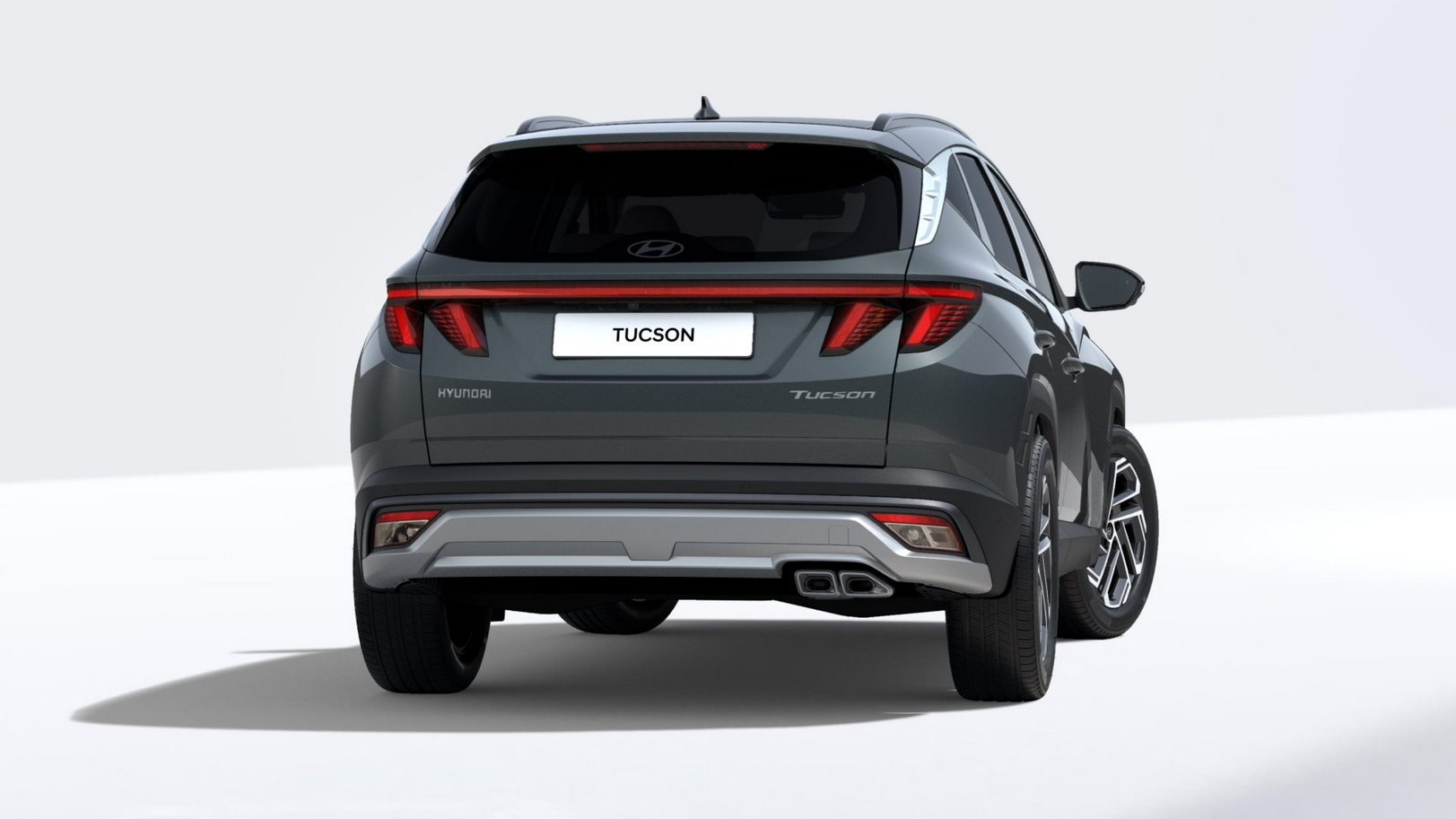
The Tucson shares its underpinnings with the Sportage, so much of what applies to the Kia applies here too: strong warranty cover, a comfortable ride, and a genuinely spacious cabin. A 2022 Premium trim with the 1.6 T-GDi hybrid costs £17,500-£19,500 with typical mileage, slightly undercutting the equivalent Sportage.
The Tucson's exterior styling is more divisive than the Sportage's, with sharp origami-inspired creases that either work for you or don't. Inside, it's more conventional with physical climate controls that some drivers prefer over Kia's touch-sensitive panel. Boot space at 616 litres is marginally better than the Sportage. Reliability data is broadly similar between the two, so this often comes down to which one you'd rather look at on your driveway.
 1 / 2
1 / 2SEAT Ateca
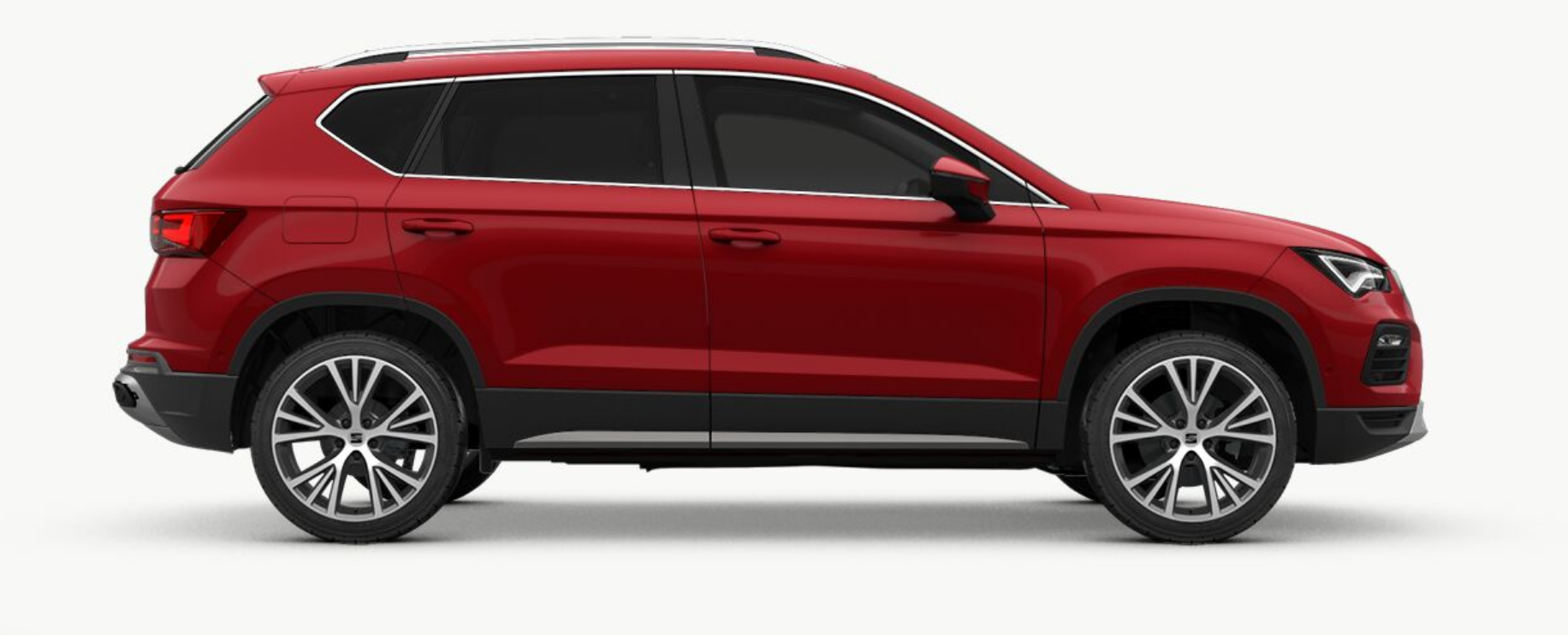
The Ateca is the driver's choice on this list. It shares its platform with the Volkswagen Tiguan and Skoda Karoq, but SEAT tunes the suspension with a firmer, more European edge that rewards a twisty A-road. A 2021-2022 FR or Xperience with the 1.5 TSI petrol costs £16,000-£18,500, making it one of the better value picks here.
The trade-off is a slightly smaller boot at 510 litres and a cabin that, while smartly finished, doesn't quite match the Sportage or Tucson for outright tech. If you're cross-shopping smaller alternatives too, our guide covers the next size class down for families who don't need the extra bulk.
 1 / 2
1 / 2Best family SUVs for £15,000-£20,000: quick comparison
Prices reflect typical 2021-2022 registrations with 20,000-45,000 miles as of 2026.

Best for genuine seven-seat practicality
Best all-round dependability
Best for third-row headroom
Best warranty and tech
Best value against the Sportage
Best for driving enjoyment
Which one should you actually buy?
If you need three rows, the Kodiaq and 5008 are your realistic options at this budget, and the Kodiaq wins on reliability while the 5008 wins on outright third-row space. If you're a five-seat family who wants the lowest-risk purchase, the Sportage or Tucson make the most sense thanks to their warranty cover. If you're budget-conscious within this band and don't mind a firmer ride, the Ateca stretches your money furthest.
Whatever you choose, resist the urge to buy on looks alone. Insurance costs vary noticeably across this group too. Petrol mild hybrids in this class typically sit in insurance groups 15-22, while diesel variants can run a group or two higher. Before you commit, it's worth checking so you know which specific engine and trim combinations have a track record of expensive problems.
Check safety ratings before you buy
All six SUVs on this list carry a five-star Euro NCAP safety rating in their tested configuration, but crash test protocols change over time. Check the website for the specific model year you're considering, since ratings can shift when a car is facelifted or when testing standards are updated.
Before you sign anything, always run the registration through the to confirm tax status and MOT history. It only takes a minute and it's free.
Frequently asked questions
There's no single answer because it depends on your priorities. The Skoda Kodiaq is the strongest all-rounder if you need seven seats, the Kia Sportage and Hyundai Tucson offer the best warranty cover and lowest ownership risk, and the SEAT Ateca stretches your budget furthest if driving enjoyment matters most.
For most family driving under 12,000 miles a year, a mild hybrid petrol is the sensible default. Diesel still makes sense if you're doing regular motorway miles above that figure, since the fuel economy advantage grows with distance.
Insurance for this class of SUV typically falls in groups 15-22, and you should budget £300-£500 a year for servicing plus an MOT once the car passes three years old. Diesel models also carry a small road tax premium in the first year of registration.
Only pay the premium for seven seats if you'll genuinely use the third row. It typically reduces boot space significantly when in use, and adds weight that slightly increases fuel consumption even when folded flat.
There's no hard cutoff, but 45,000-60,000 miles for a 2021-2022 car is a reasonable ceiling if the service history is complete. Beyond that, check for evidence of motorway versus urban use, since urban miles age a car faster.