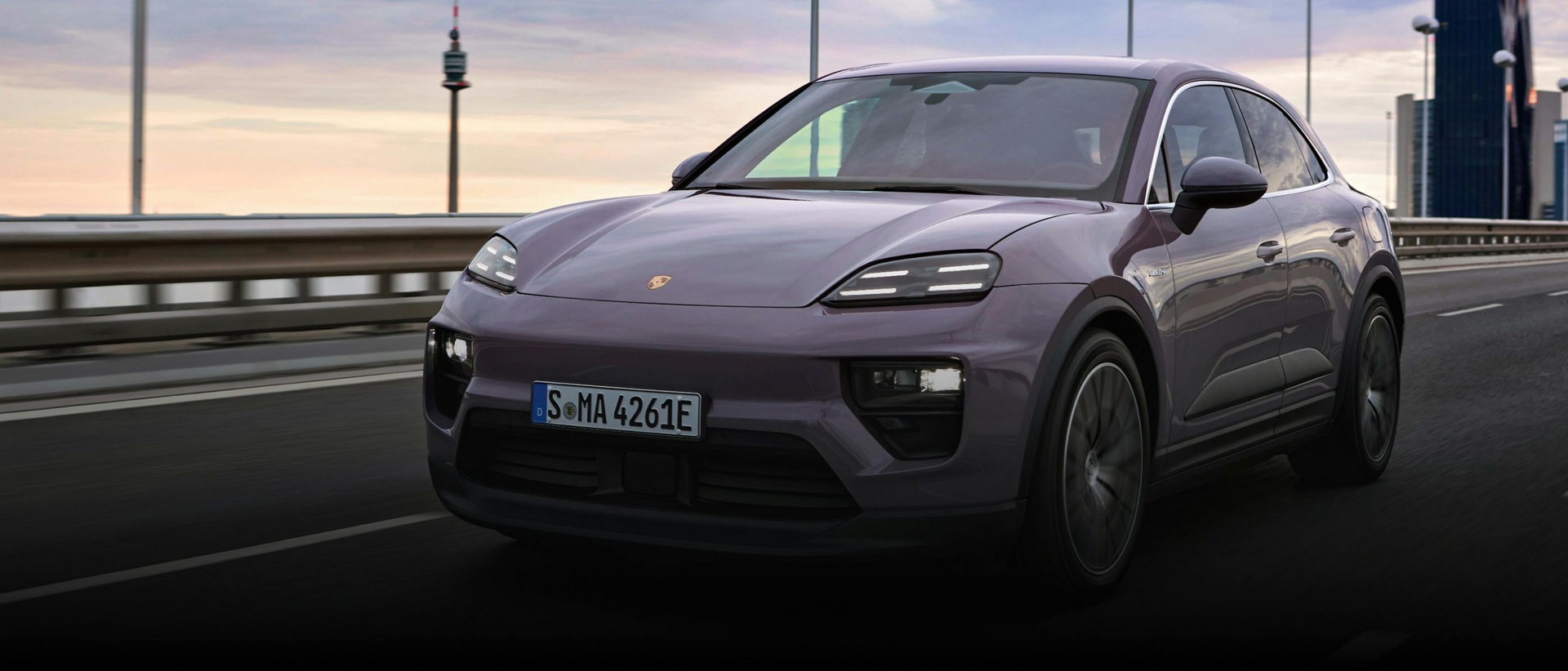
Best Electric SUVs for Long Distance Driving UK Long Distance
The electric SUVs that make long motorway journeys genuinely stress-free — ranked on real-world range, charging speed, and network coverage.
Long-distance driving is where most EV scepticism concentrates — and where the difference between a good electric SUV and a great one is most apparent. Range figures tell part of the story. Charging speed tells another. But the third factor — charging network reliability — is the one that determines whether a 350-mile motorway run is relaxed or stressful.
This guide focuses specifically on long-distance usability. We have assessed each pick on real-world motorway range, maximum rapid charge speed, typical 10–80% charge time, and which charging networks the car can access. For buyers whose journeys extend beyond the daily commute, these are the electric SUVs that do it best.
For a broader look at the full category, see our guide.
Key takeaways
Best for long-distance ease
Tesla Model Y Long Range — Supercharger network access makes it the smoothest long-distance EV experience in the UK, full stop.
Best rapid charging speed
Hyundai IONIQ 5 77.4kWh — 800V charging at 220kW means a 10–80% stop takes around 18 minutes. Fastest in class.
Best for families on long journeys
Kia EV9 Long Range — 354 miles WLTP, 800V charging, and room for seven. The complete long-haul family option.
Best motorway comfort
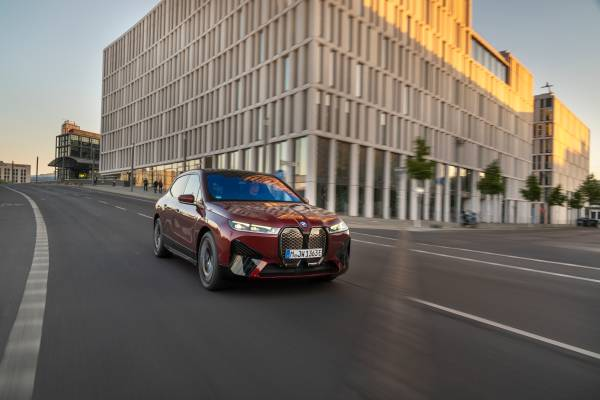
BMW iX xDrive50 — real-world motorway range of 280–310 miles and exceptional refinement over long distances.
Best premium long-distance pick
Polestar 3 Long Range — 111kWh battery, genuine 300-mile motorway range, and a premium feel that makes the miles pass effortlessly.
What matters most for long-distance EV driving
Three factors separate the good from the great when it comes to covering serious miles in an electric SUV.
Real-world motorway range is the first. WLTP figures are measured at mixed speeds, often below 60mph average. At a steady 70mph, expect approximately 20–30% less range than the official figure. At 80mph, that gap widens to 30–40%. A car claiming 350 miles WLTP may deliver as little as 240–260 real motorway miles.
Charging speed is the second. A car that charges at 220kW will spend around 18 minutes going from 10% to 80% on a compatible charger. A car limited to 100kW will take 40–45 minutes for the same charge. Over a day's driving with two charging stops, that difference compounds to over 40 minutes of additional time stopped.
Network reliability is the third and least-discussed. A car with theoretical access to rapid chargers means nothing if the chargers are occupied, out of order, or require a different payment system. Tesla's Supercharger network has consistently outperformed the fragmented public network on uptime and availability — an advantage that translates directly into journey confidence.
Best electric SUVs for long distance driving

Best for long-distance ease
Fastest charging speed
Best for long-distance families
Best motorway comfort
Best premium long-distance pick
Tesla Model Y Long Range — the network makes the car
On paper, the Model Y Long Range AWD's 331 miles WLTP is competitive but not exceptional. In practice, it delivers the best long-distance EV experience in the UK — and the Supercharger network is the reason.
With over 1,200 Supercharger locations across the UK and consistent 150–250kW charging speeds, the Model Y's navigation system routes long journeys automatically through Supercharger stops, calculating arrival state of charge and journey time with impressive accuracy. You arrive at a charger knowing roughly how long you will wait, and Supercharger uptime is significantly higher than the public network average.
For a London to Edinburgh run (roughly 400 miles), the Model Y requires one Supercharger stop of approximately 25–30 minutes. For most drivers, that is a natural break anyway. The experience is as close to stress-free as long-distance EV travel currently gets.
Real-world motorway range at 70mph is approximately 260–280 miles — honest and predictable. The Long Range AWD version adds meaningful winter range security over the RWD variant.
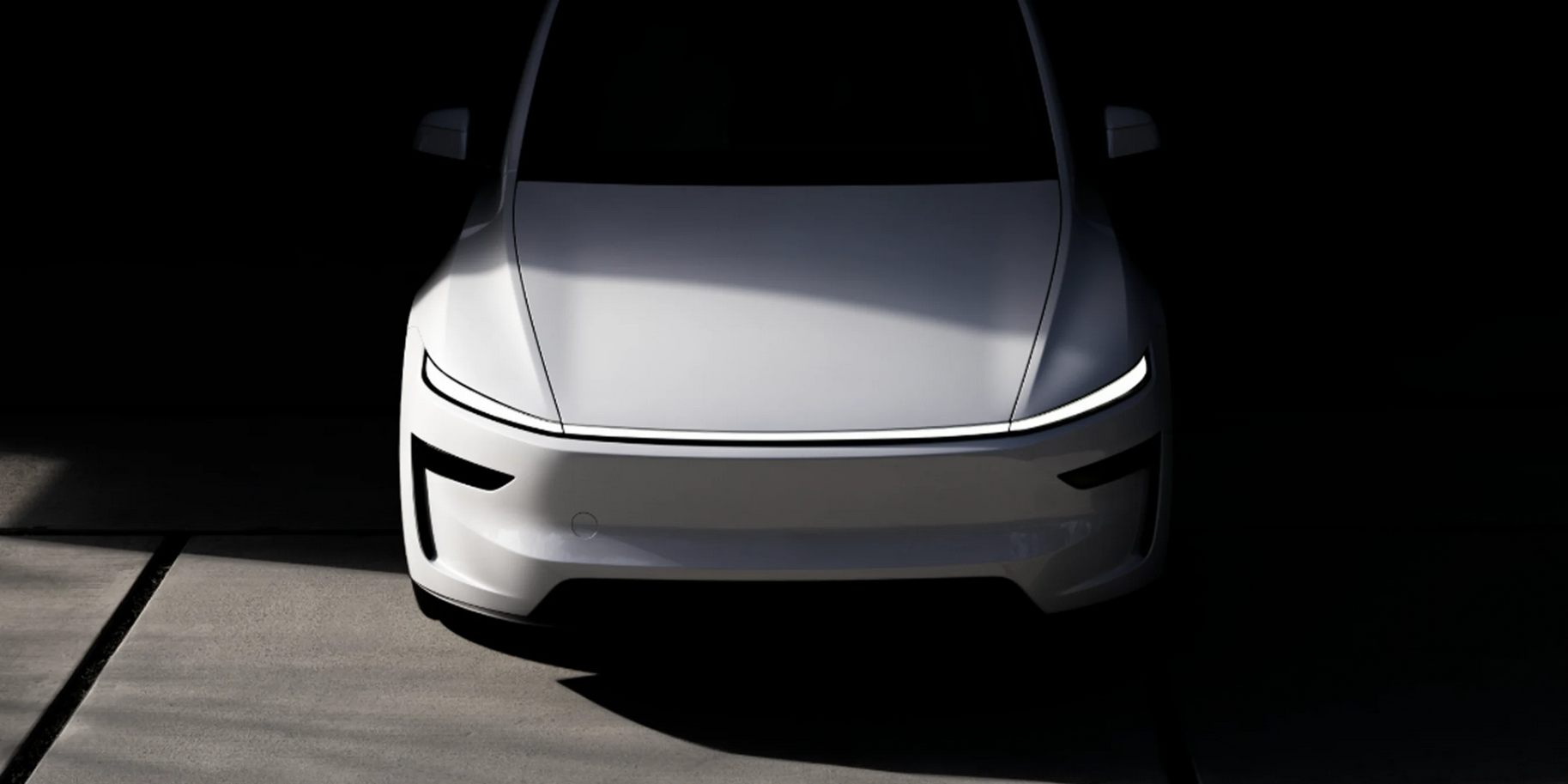
Hyundai IONIQ 5 — the speed of charging changes everything
The IONIQ 5's 800V architecture is its defining long-distance advantage. At a compatible 350kW charger — increasingly available at Gridserve Electric Highway locations and major motorway services — it can charge from 10% to 80% in approximately 18 minutes. That is genuinely fast: less time than a coffee and a fuel station visit.
Real-world motorway range of 240–265 miles from the 77.4kWh battery is slightly behind the Model Y and BMW iX. But the charging speed advantage means that even with shorter ranges between stops, total journey time on well-charger-networked routes can be comparable to Tesla.
The limitation is network dependency. Unlike Tesla owners, IONIQ 5 drivers cannot rely on a single reliable network — charging requires more pre-planning and acceptance that charger availability is less guaranteed. On well-travelled routes with multiple Gridserve or Osprey hubs, this is a minor inconvenience. On less-served routes, it requires more care.
For a full charging cost breakdown on long journeys, see our .
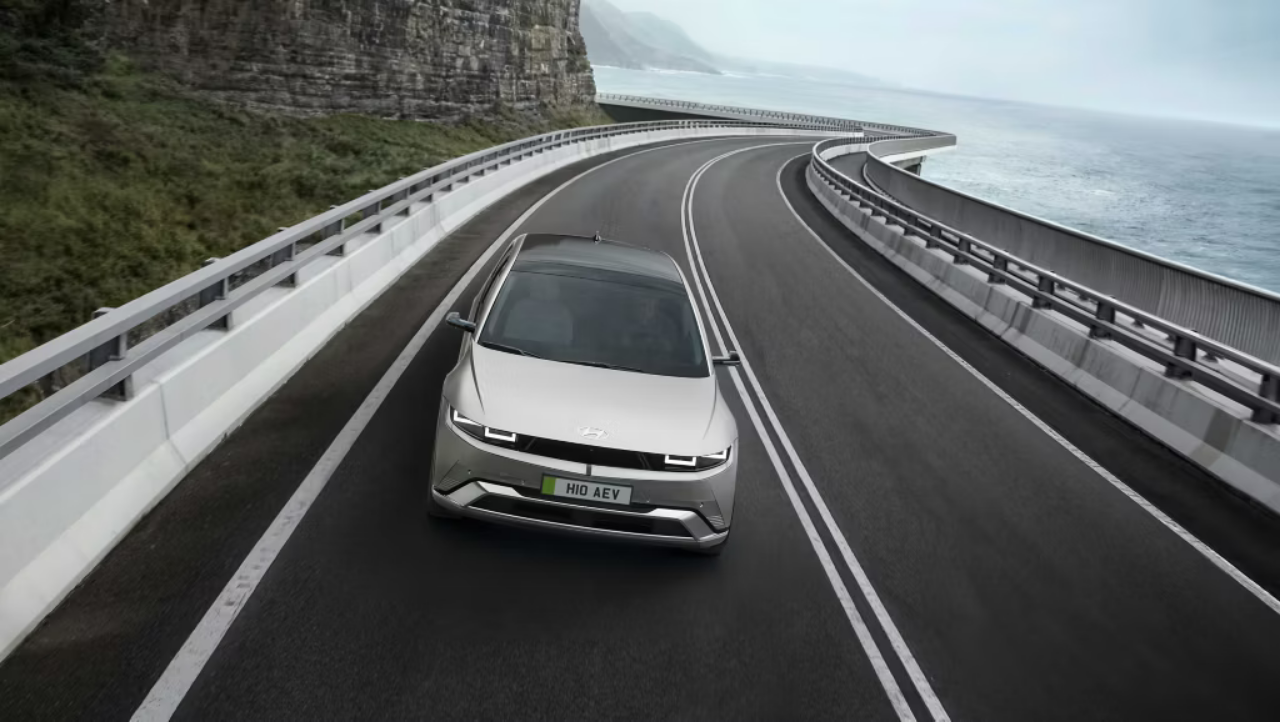
Kia EV9 — the family long-hauler
For families who need seven seats and genuine long-range capability, the EV9 is the only serious answer in the current market. Its 99.8kWh battery and 354-mile WLTP claim translate to real-world motorway range of approximately 270–290 miles — enough for London to Manchester and back on a single charge in many real-world conditions.
The 800V charging system is shared with the IONIQ 5 and EV6, meaning 10–80% in around 24 minutes at a fast charger despite the much larger battery. Impressive engineering.
The EV9 is not cheap — used 2024 examples start from around £44,700 — but for buyers who genuinely need three rows of seats and serious range, there is no credible lower-cost alternative in the segment.
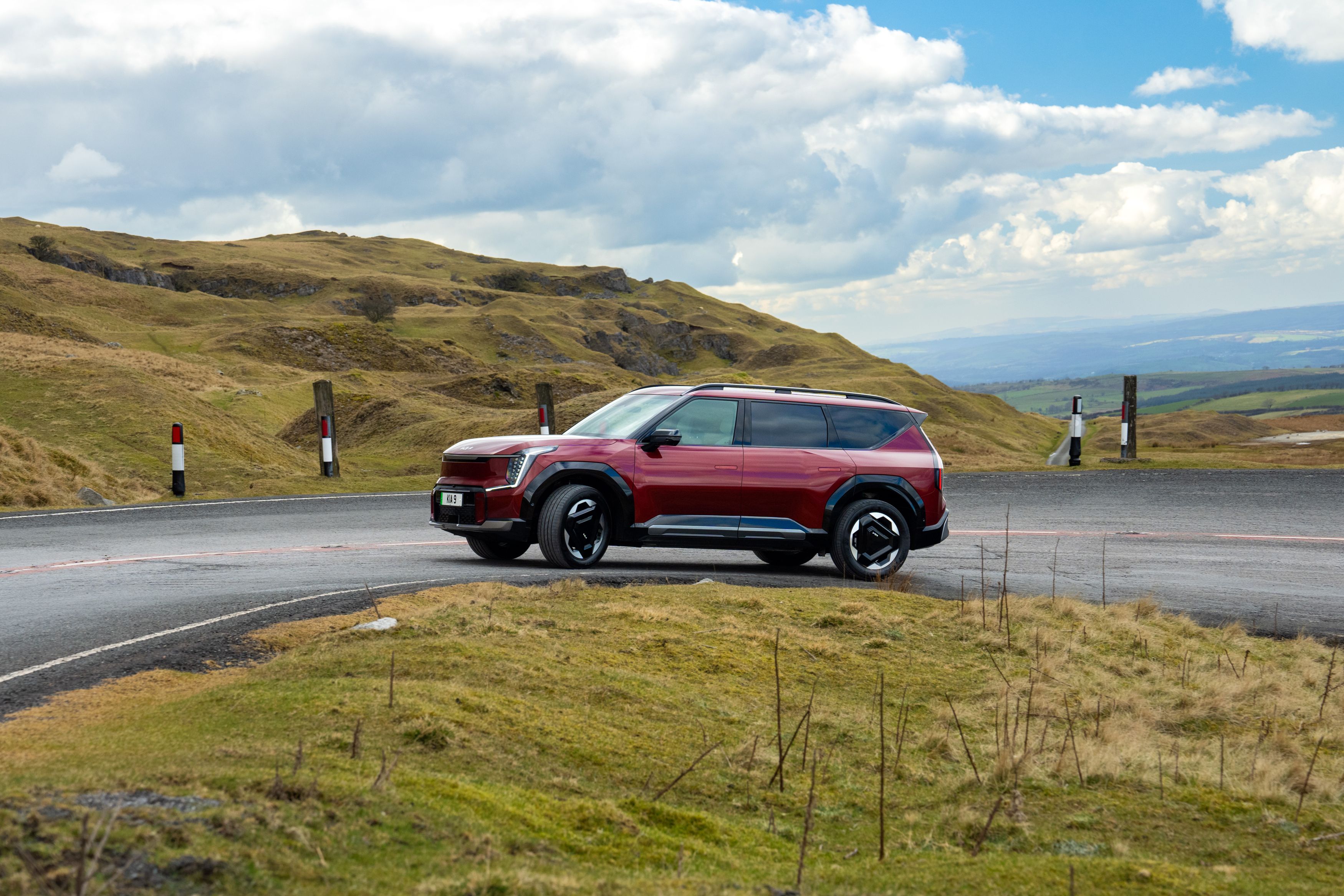
BMW iX — the motorway cruiser
The iX xDrive50's combination of 380 miles WLTP, 280–310 miles of real-world motorway range, and exceptional refinement makes it arguably the best long-distance car in this group from a comfort perspective. Tyre noise suppression at 70–80mph is class-leading, the air suspension absorbs poor motorway surfaces effectively, and the interior quality is genuinely special.
DC charging tops out at 200kW — not class-leading but sufficient for a 10–80% charge in approximately 35 minutes. The main limitation on long journeys is relying on the fragmented public charging network rather than a dedicated system like Tesla's Superchargers.
Used 2022 iX xDrive40 and xDrive50 examples are now available from £19,000–24,000 — dramatic depreciation from new prices above £87,000. For buyers who can absorb the higher insurance cost, it represents one of the best-value premium long-distance EVs in the market.
For further reading on this segment, our guide covers the range credentials in more detail.
Frequently asked questions
The Tesla Model Y Long Range offers the most reliable and stress-free long-distance experience thanks to the Supercharger network. For raw real-world motorway range, the BMW iX xDrive50 and Polestar 3 lead the SUV class at 280–320 miles. The Kia EV9 is the top choice for families needing seven seats.
At 70mph, expect approximately 70–80% of the WLTP figure. A car claiming 350 miles WLTP will typically deliver 245–280 real motorway miles. Cold weather, high speeds above 70mph, and heavy loading all reduce range further. Budget for 65–70% of WLTP in winter motorway conditions.
The Hyundai IONIQ 5 and Kia EV6/EV9 lead with 800V charging at up to 220–250kW, enabling 10–80% in 18–24 minutes. The Tesla Model Y achieves 250kW at Superchargers. The BMW iX and Polestar 3 both manage 200–250kW at compatible chargers.
Yes, for most UK routes. Gridserve Electric Highway, Osprey, bp pulse, and Tesla Supercharger sites at major motorway services provide reasonable coverage. The network is denser on major routes (M1, M6, M25 corridor) and sparser on more rural or less-travelled roads. Always plan charging stops before departing on long journeys.
Yes. Most long-distance EV drivers charge to 80% rather than 100% — charging above 80% slows dramatically on most EVs. Plan your journey in legs of 150–200 miles with charging stops at motorway services. The Tesla app and ABRP (A Better Route Planner) are the two most widely used tools for accurate journey planning.
Browse long distance electric SUVs on Bobi
Explore further
- Understand motorway charging costs before you travel:
- See all our top EV picks across the full range:
- Want maximum range? See the full guide