Most Reliable Used Hatchbacks in the UK
Key takeaways
Price bracket determines the reliability conversation
A car that's brilliant at £8,000 may be a liability at £3,000 with 30,000 more miles on it. We match picks to the budget where each car genuinely shines.
Japanese and Korean brands dominate
Toyota, Honda, Suzuki, and Kia consistently top long-term reliability surveys. This isn't brand loyalty — it's a pattern backed by data spanning more than a decade.
Hybrid systems add complexity but not unreliability
Toyota and Honda's self-charging hybrids have clocked millions of miles across global fleets with remarkably low powertrain failure rates. Don't be put off by the 'hybrid' badge.
Service history matters more than mileage alone
A full dealer-stamped service history on a 90,000-mile car is worth more than a blank book on a 40,000-mile one. Always request the history before viewing.
Our picks by price bracket

Consistently tops Reliability Index tables with one of the lowest fault rates of any used hatchback on sale
Magic Seat system, massive practicality for its footprint, and a Honda reliability record that owners consistently rate highly in surveys
One of the lightest cars in its class, which reduces wear on brakes, tyres, and running gear — translating directly into fewer bills
Toyota's flagship hatchback with self-charging hybrid tech proven across millions of global miles — and a five-year manufacturer warranty on many examples
Seven-year factory warranty transfers to used buyers within the original term — a rare and meaningful reliability guarantee
Technically a family hatchback rather than a supermini, the Octavia offers outstanding space and a track record for durability that makes it excellent value
Honda's e:HEV hybrid system delivers near-silent urban driving, exceptional fuel economy, andthe reliability credentials that only come from a brand that has been refining this tech for two decades
Side by side
- reliabilityExcellent — top 3 Reliability Index
- fuel_economyUp to 65 mpg (1.5 hybrid)
- insurance_group4–10
- ✓Outstanding long-term reliability
- ✓Low running costs
- ✓Cheap insurance
- −Small boot (286 litres)
- −Basic infotainment on older trims
- −Firm ride on poorer surfaces
- reliabilityExcellent — strong owner survey scores
- fuel_economyUp to 52 mpg
- insurance_group7–14
- ✓Flexible Magic Seat interior
- ✓Proven Honda reliability
- ✓Practical beyond its size
- −Dull to drive
- −Limited engine power
- −Average infotainment system
- reliabilityVery good — low fault rate
- fuel_economyUp to 55 mpg (mild-hybrid)
- insurance_group8–16
- ✓Light and agile to drive
- ✓Low purchase and running costs
- ✓Compact for parking
- −Small rear seats
- −Limited boot space
- −Basic safety kit on lower trims
- reliabilityOutstanding — top of What Car? surveys
- fuel_economy50–52 mpg real-world (1.8 hybrid)
- insurance_group15–23
- ✓Excellent hybrid reliability record
- ✓Standard safety tech across range
- ✓Free road tax
- −Less engaging to drive than rivals
- −Boot smaller than Golf-class rivals
- −Infotainment can be laggy
- reliabilityVery good — backed by 7-year warranty
- fuel_economyUp to 44 mpg (1.0 T-GDi)
- insurance_group13–20
- ✓Transferable seven-year warranty
- ✓Well-equipped for the money
- ✓Spacious cabin
- −Softer driving dynamics
- −1.0 engine can feel stretched on motorways
- −Residuals slightly behind VW Group rivals
- reliabilityGood — strongest with petrol engines
- fuel_economyUp to 55 mpg (1.0 TSI)
- insurance_group14–20
- ✓Enormous practicality for the price
- ✓VW Group quality feel
- ✓Strong petrol engine options
- −Diesel versions need careful DPF management
- −Less reliable than Japanese alternatives
- −Complex electrics on higher trims
Toyota Yaris Mk3 (2018–2020)
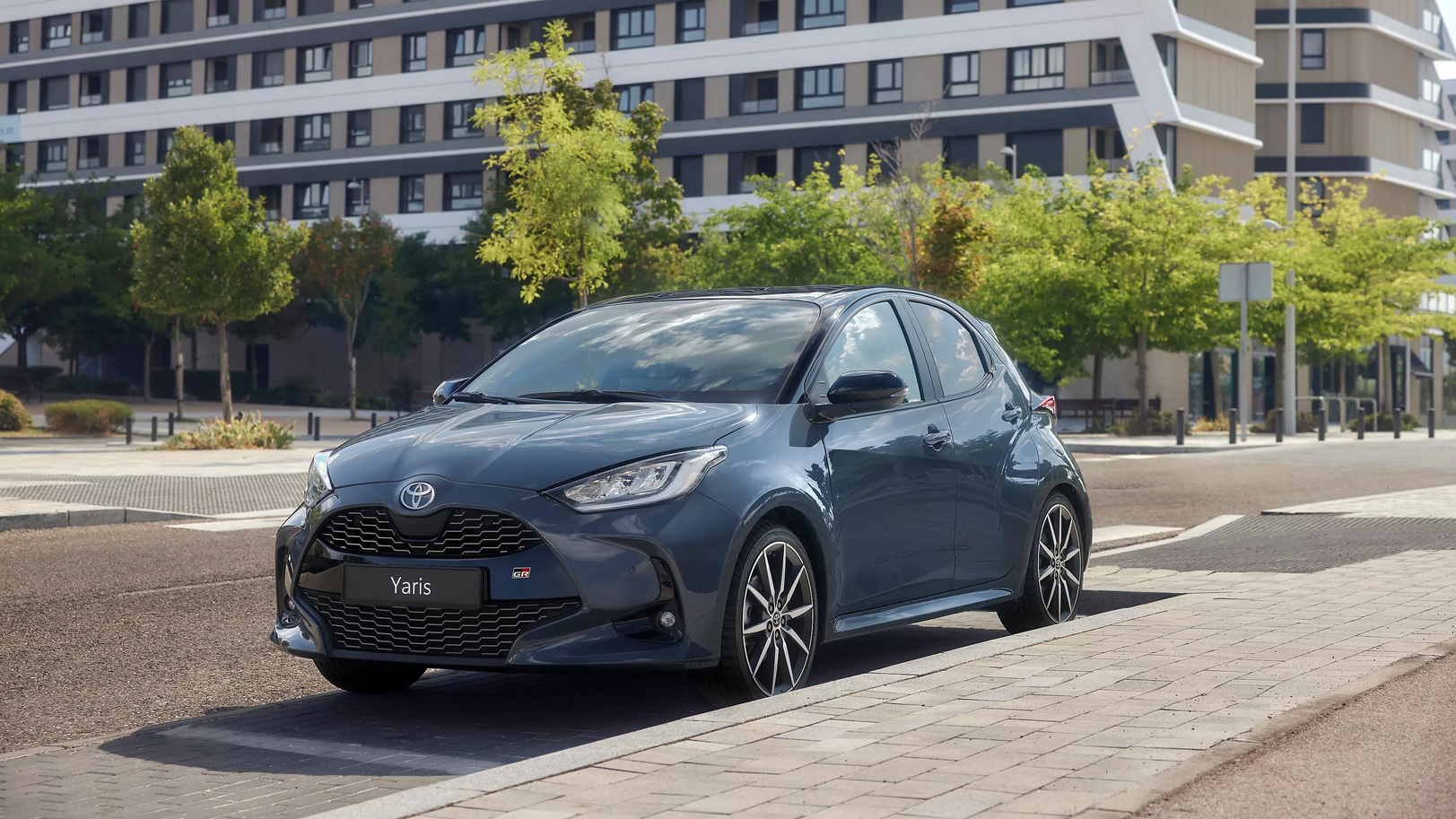
Few used hatchbacks under £7,500 have a reliability record as consistentas the Yaris. It tops the Reliability Index tables year after year, with fault rates that put many newer, pricier rivals to shame. The 1.0-litre petrol is almost comically hardy — basic, yes, but the simplicity is the point. Step up to the 1.5 hybrid and you also get fuel economy pushing 65 mpg in mixed driving, plus free road tax on most trims. Insurance sits between groups 4 and 14 depending on variant, making it one of the cheapest hatchbacks to run across the board. The trade-off is space: the 286-litre boot is tight, and rear passengers will notice the lack of legroom on longer journeys. Infotainment on pre-2019cars is basic by any standard. But if low running costs and long-term dependability are the brief, nothing at this price point touches it.
Honda Jazz Mk3 (2018–2020)
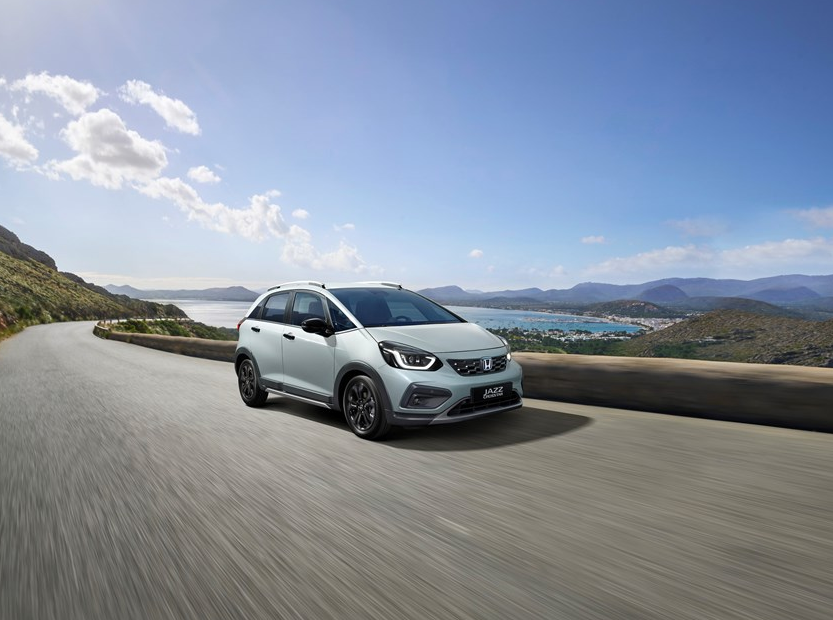
The Jazz is one of those cars that rewards anyone who looks past its unremarkable styling. Priced from around £5,500, it offers a level of practicality that genuinely surprises — the Magic Seat system lets you fold the rear seats in multiple configurations, accommodating tall items, bikes, or a full load of flat-pack furniture with equal ease. Both the 1.3 and 1.5-litre petrol engines are proven units with low fault rates and modest servicing costs. First-time MOT pass rates are among the highest of any used hatchback on the market, and resale values hold up well compared to European rivals at the same price. The honest downside is that it's dull to drive. Steering is light, body roll is noticeable, and the 1.3 in particular can feel breathless on faster roads. Nobody buys a Jazz for thrills, though — they buy itbecause it works, reliably, for a very long time.
Suzuki Swift Mk4 (2020–present)
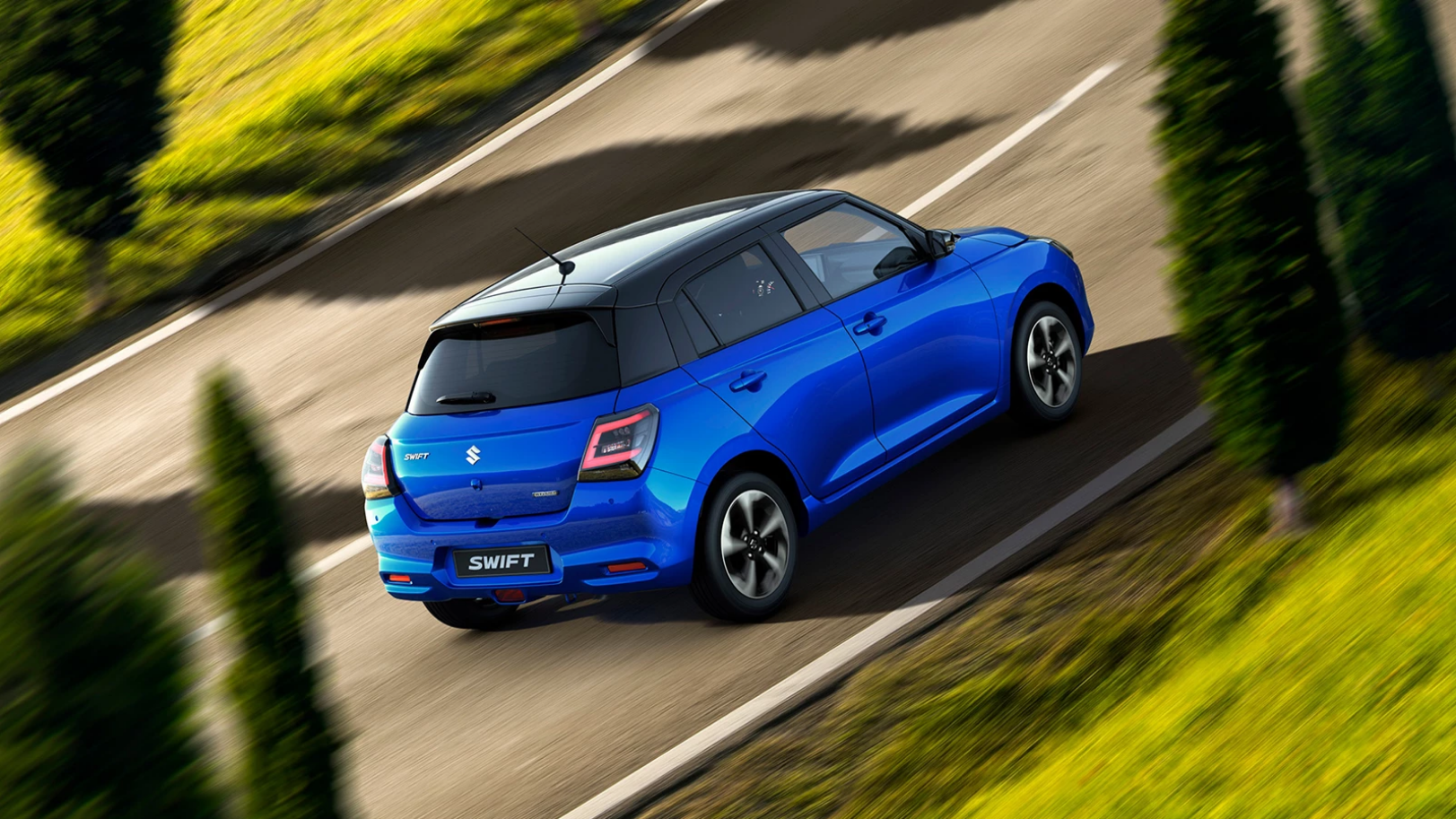
At around 900 kg, the Swift is one of the lightest cars you can buy in the used hatchback market, and that low kerb weight pays dividends in ways that don't show up in spec sheets. Brakes last longer. Tyres wear more slowly. The engine works less hard. The result is a car that tends to rack up fewer bills over time, regardless of which engine you choose. The 1.0 Boosterjet is the pick for drivers who want a bit of urge; the 1.2 Dualjet mild-hybrid suits those prioritising economy, returning up to 55 mpg while keeping insurance within group 8–16. Priced from £7,000, the Swift sits in a competitive bracket, and its compact dimensions make it particularly well suited to city driving and tight parking. The rear seats are genuinely cramped for adults, and the boot at 265 litres is modest. But for a driver-focusedsmall car with a low cost of ownership, it punches well above its weight.
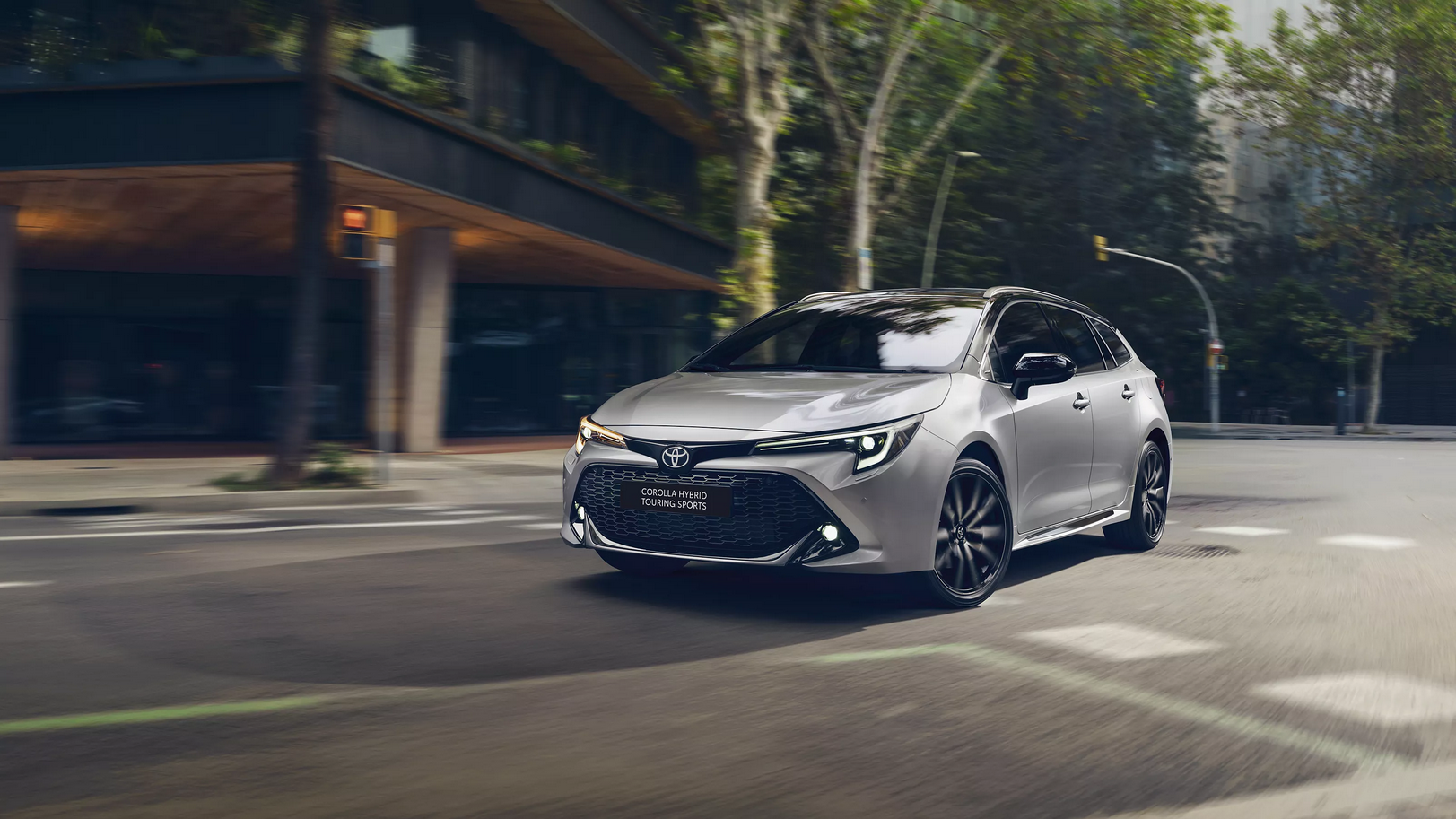
Toyota Corolla Mk12 Hybrid (2021–present)
The Corolla is what happens when a manufacturer applies twodecades of hybrid learning to a mainstream family hatchback. The 1.8-litre self-charging hybrid returns over 50 mpg in real-world mixed driving, qualifies for free road tax, and benefits from Toyota's battery conditioning system that keeps the hybrid pack healthy without any input from the driver. Toyota Safety Sense — including pre-collision warning, lane departure alert, and automatic high beam — is standard across the range, which matters when you're buying used. Many dealer-supplied examples still carry the original five-year manufacturer warranty, so check the paperwork carefully. From £13,000, it's not the cheapest entry on this list, but the running costs are genuinely low and reliability survey scores are consistently at the top. The one legitimate criticism: it's less engaging to drive than a Volkswagen Golf or a Ford Focus. The steering is accurate butcommunicates little. If you're buying for peace of mind over driving pleasure, that's an easy trade.
Kia Ceed Mk3 (2021–present)
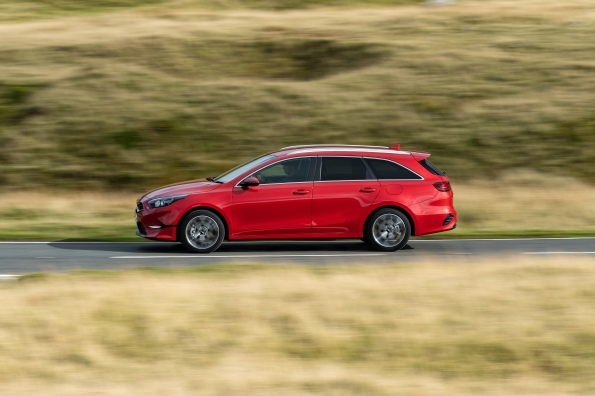
The headline on any used Ceed is the seven-year factory warranty — and crucially, it transfers to subsequent private owners within the original term, provided the car has been serviced at a Kia-approved centre. On a three or four-year-old car, that can mean several years of manufacturer-backed cover remaining, which is a rare proposition in the used market. Priced from around £9,000, the Ceed also comes well equipped from mid-spec trims, with kit levels that embarrass similarly priced rivals. Both the 1.0 T-GDi and 1.4 T-GDi petrol engines are solid performers, returning up to 44 mpg on the smaller unit. JD Power scores across the Ceed range are strong, reflecting genuinely low fault rates. The dynamic side is less impressive: handling is safe rather than entertaining, and the 1.0 can feel stretched on motorway journeys. Residual values trail VW Group rivals slightly, too. None of that diminishes what the warranty represents as a safety net for a used buyer.
Skoda Octavia Mk3 (2018–2020)
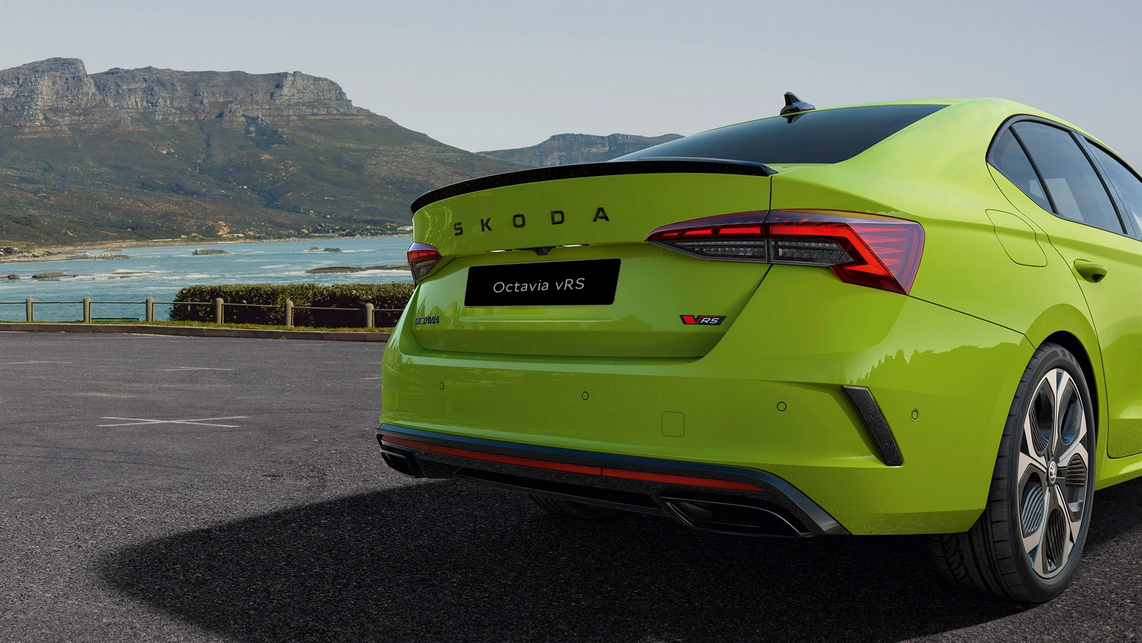
Strictly speaking, the Octavia is a family hatchback rather than a supermini, but it earns its place here because it delivers VW Group engineering at prices that regularly undercut the Golf by several thousand pounds. The hatchback body offers 360 litres of boot space; the estate version stretches to 590 litres, making it one of the most practical used cars at this price point full stop. The 1.0 and 1.4 TSI petrol engines are the ones to seekout — both return around 50–55 mpg and have well-documented, manageable service requirements. What Car? owner surveys consistently rate the Mk3 highly for reliability and running costs. Diesel versions are worth approaching carefully: the DPF can block if the car has lived a short-journey urban life, and remedying that is expensive. On the right example, though, the Octavia Mk3 represents outstanding value — a lot of car, from reputable engineering, at a price that leaves room in the budget forproper maintenance.
Honda Jazz Mk4 e:HEV (2022–present)
Honda's second-generation Jazz is a significant step on from the Mk3. The e:HEV full parallel hybrid system draws on the same architecture Honda uses in the CR-V and HR-V, and it shows in how smoothly the car operates. At low speeds the electric motor does most of the work; the petrol engine kicks in on faster roads and acts as a generator during deceleration. Real-world fuel economy of 55–60 mpg is achievable without hypermiling, and road tax is free. The revised Magic Seat system remains the best use of interior space in any small hatchback, and the cabin quality is a genuine step up from the previous generation. From £14,000, it sits at the premium end of this list, but the ownership costs are low enough to justify the outlay over a three-to-five-year period. Honda's hybrid reliability record is the other compelling argument: the brand has been refining this powertrain technology for over 20 years, and fault rates on the e:HEV system are exceptionally low.
Conclusion
Reliability in the used hatchback market isn't a lottery — it follows a clear pattern. Japanese and Korean manufacturers dominate the long-term dependability charts, and every car on this list reflects that. The Toyota Yaris and Honda Jazz Mk3 remain the strongest picks at the affordable end, with fault rates and running costs that are genuinely hard to beat under £10,000. Step up the budget and the Corolla hybrid and Jazz Mk4 e:HEV both make compelling cases for buyers who want near-zero maintenance anxiety alongside real-world fuel economy above 50 mpg.
The Kia Ceed's transferable warranty is a unique proposition in the used market — no other mainstream hatchback offers that level of manufacturer-backed reassurance on a second-hand purchase. And the Skoda Octavia quietly delivers more space and more car than anything else atits price point, provided you stick to the petrol engines.
Whichever you choose, the fundamentals remain the same: check the full service history, run the MOT record on check.mot.gov.uk, and always factor in insurance group and road tax before comparing sticker prices. A reliable used hatchback bought well is one of the most cost-effective ways to stay on the road — and the cars on this list have spent years proving exactly that.
Check the MOT history before every viewing
The DVLA's free online MOT history checker at check.mot.gov.uk shows every test, every failure, every advisory, and the recorded mileage at each test. It takes 30 seconds and can save you from buying someone else's problem. If a seller has wiped or 'lost' paperwork, the MOT history often fills in the gaps — or confirms your suspicions.
Frequently asked questions
The Toyota Yaris Mk3 and Toyota Corolla Mk12 Hybrid consistently lead UK reliability surveys and Reliability Index data. The Yaris wins on affordability and low running costs; the Corolla on outright longevity and hybrid efficiency. If you want one answer: both are Toyota, and that's no coincidence.
Yes — particularly Toyota and Honda hybrids. Toyota's self-charging system has been in production since1997, and the Corolla and Yaris hybrids benefit from decades of refinement. Honda's e:HEV system in the Mk4 Jazz has a similarly strong record. Battery degradation on self-charging hybrids is far less of a concern than with plug-in or fully electricvehicles, as the battery rarely reaches full charge or complete discharge in normal use.
Yes, Kia's seven-year warranty is fully transferable to subsequent private owners within the original warranty period, provided servicing has been kept up to date at a Kia-approved centre. Always verify the remaining warranty and service schedule with a Kia dealer before purchasing a used Ceed.
Mileage alone is less important than how the car has been maintained. A Toyota Yaris or Honda Jazz with100,000 miles and full service history is likely a safer buy than a 50,000-mile car with an incomplete record. That said, above 120,000 miles on any used hatchback, budget for additional maintenance: cambelt or chain inspection, coolant and brake fluid renewal, and potential clutch wear on manual-gearbox cars.
Diesel hatchbacks used predominantly for short urban journeys risk diesel particulate filter (DPF) blockages, which can be expensive to fix. High-performance variants — hot hatches and turbocharged engines — carry higher insurance groups and servicing costs. German premium brands tend to have higher parts and labour costs than Japanese and Korean equivalents, even when the purchase price looks similar.