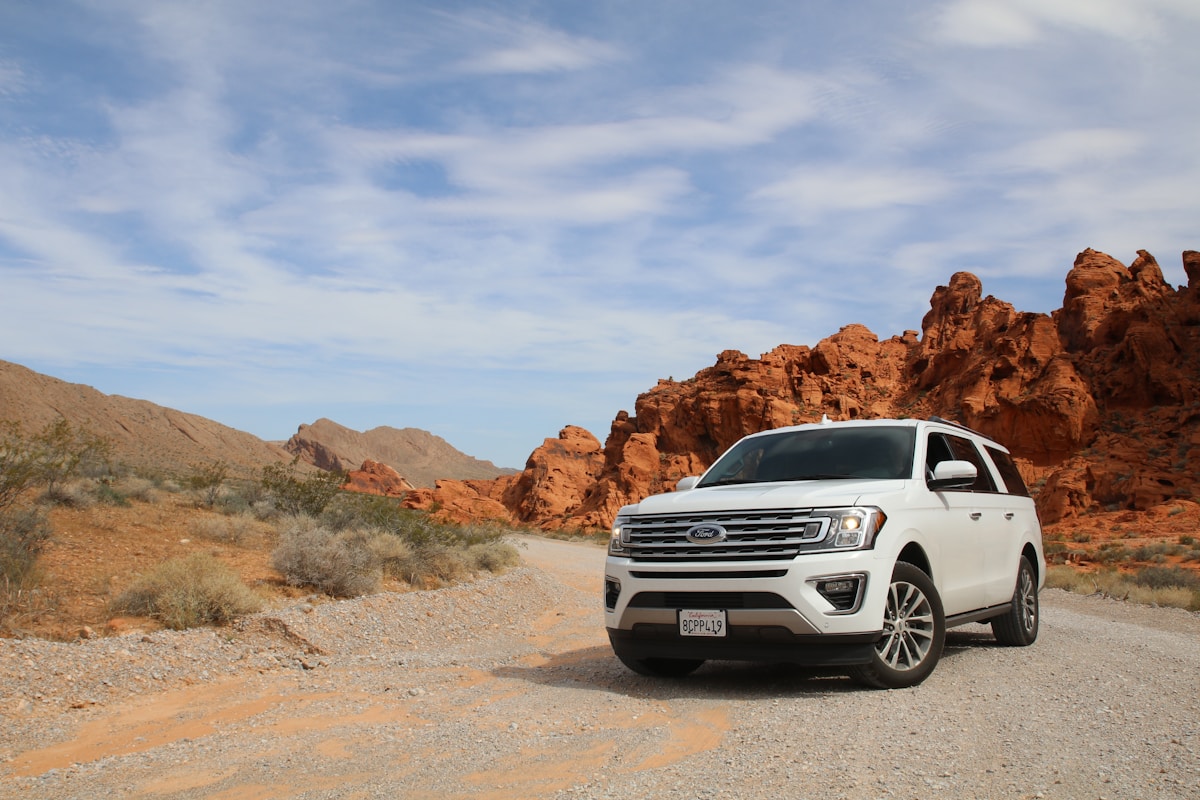
Best Used PHEV SUVs to Buy in the UK
Key takeaways
Real-world electric range varies enormously
Official WLTP ranges of 30–40 miles rarely translate fully to real roads. Cold weather, motorway speeds, and a heavy payload all cut range. Budget for 25–35 miles on a good day for most models.
4WD and towing are not universal
Not every PHEV SUV has genuine four-wheel drive or a usable tow rating. The Toyota RAV4 PHEV and Mitsubishi Outlander PHEV are the standouts here; others are front-wheel drive only.
Seven seats remain rare
Only the Mitsubishi Outlander PHEV offers a genuine seven-seat option in this class on the used market. If a third row is non-negotiable, your shortlist is short.
Check charging history before you buy
A PHEV with a full service history but no charging records has likely been run as a petrol car. Battery degradation is less of a concern than with pure EVs, but a neglected battery pack is still worth inspecting.
Our picks: best used plug-in hybrid SUVs in the UK

Best all-rounder — genuine AWD, strong electric range, and Toyota reliability
Best value used plug-in hybrid SUV UK — affordable, well-equipped, and good to drive
Sharp styling, AWD, and strong standard equipment levels
Best in-class boot space and 7-year Kia warranty coverage
The only used PHEV SUV with genuine 7 seats and the best tow rating
Premium build, genuine 300bhp performance, and the best interior in class
The driver's choice — best dynamics in the segment, strong performance
Side by side
- towing1,500kg braked
- boot_space490 litres
- drivetrainAWD (E-Four)
- fuel_economy~50 mpg on depleted battery
- electric_range~40 miles (real-world)
- ✓Best real-world electric range in mainstream segment
- ✓Proven Toyota reliability
- ✓Genuine AWD
- ✓Spacious and practical
- −Higher used prices than rivals
- −Interior quality lags behind Volvo and BMW
- −No 7-seat option
- towing750kg unbraked only
- boot_space402 litres
Don't buy without checking the charging records
A PHEV that has never been plugged in is a car carrying battery weight for no benefit. Check onboard charging logs if available, and look for signs of regular charging in service records or through the vehicle's connected services app history. Some manufacturers store charging data that a dealer can access — ask before you buy.
The RAV4 PHEV makes its case immediately: no other used PHEV SUV in this group gets close to its real-world electric range. Where rivals advertise optimistic WLTP figures and then disappoint in daily use, the RAV4 consistently returns 35–45 miles on a charge — enough to cover most commutes on battery alone, most days of the week. That translates into genuine fuel savings rather than a spec sheet promise.
Beyond the range, Toyota's reliability record is hard to argue with. The RAV4 PHEV inherits the brand's hard-won hybrid engineering pedigree, and owners report very few powertrain issues even at higher mileages. The E-Four AWD system uses a rear electric motor rather than a mechanical prop shaft, delivering confident all-weather traction without the weight penalty of a conventional four-wheel-drive setup. A 1,500kg tow rating and a 490-litre boot mean it earns its keep as a practical family car too.
The trade-offs are real, though. Used prices sit between £26,000 and £38,000, which is a noticeable premium over the Kia Sportage and Mitsubishi Outlander. Step inside and the cabin feels functional rather than inspiring — the Volvo XC60 and even the BMW X3 offer a more premium atmosphere. There is no seven-seat option either, so growing families will need to look elsewhere.
The RAV4 PHEV is the one to have if maximising electric range and long-term dependability matter more to you than badge prestige or a plush interior.
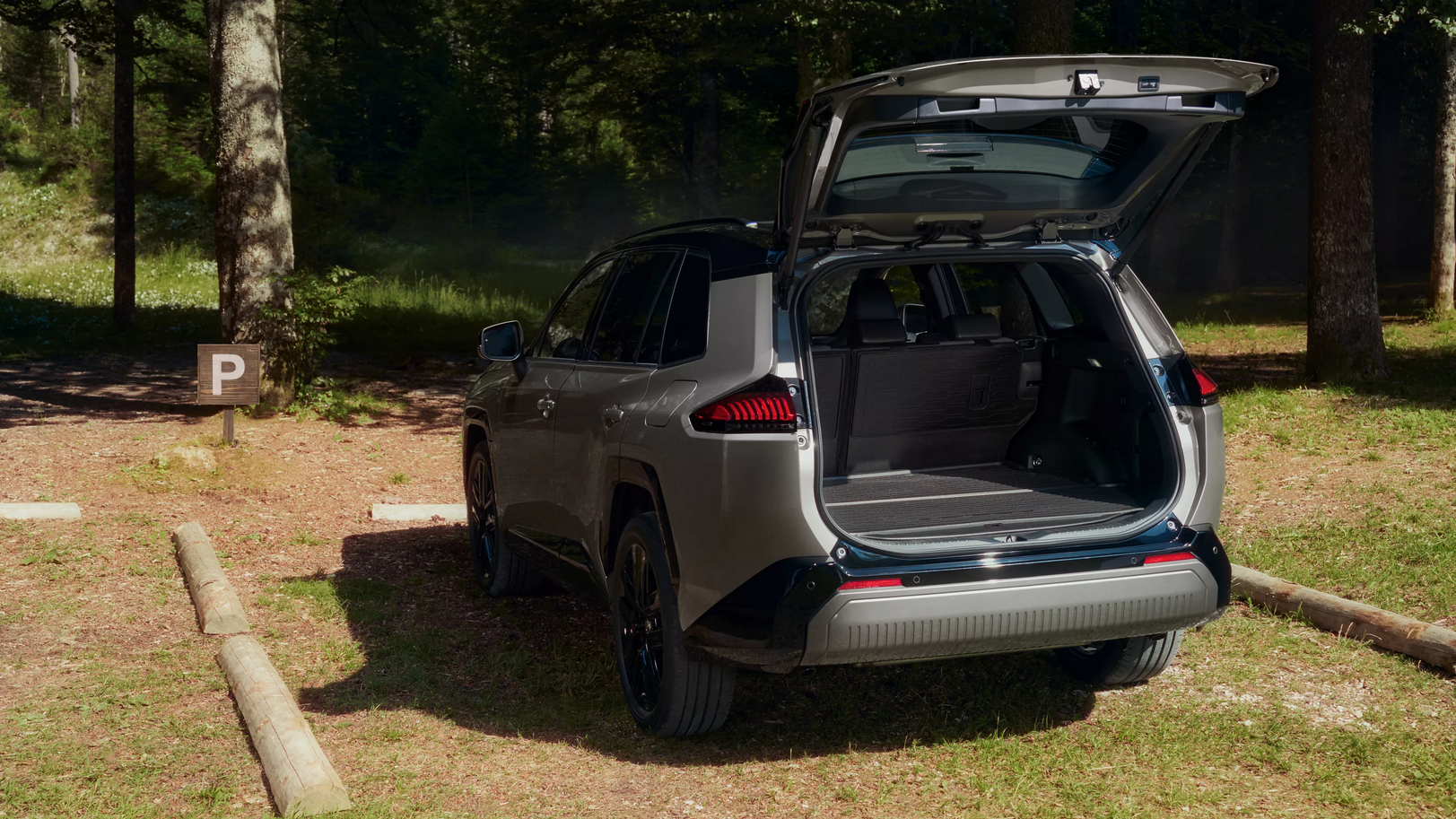
The Ford Kuga PHEV makes a compelling case as the used PHEV SUV for buyers who want real-world sense over showroom prestige. Prices in the used market run from around £18,000 to £27,000 depending on age, trim, and mileage — and at that money, you're getting a lot of plug-in hybrid for your pound. Wide availability means you're not hunting down a needle in a haystack; there's genuine choice, which keeps sellers competitive and gives you room to negotiate.
The WLTP electric range sits at 37 miles, which sounds reasonable on paper. Real-world, expect 25–32 miles with a fully charged battery — enough to cover most commutes and short runs on electric alone, provided you actually plug it in regularly. The petrol engine handles longer journeys without drama, and the Kuga is genuinely pleasant to drive: composed on motorways, easy to place in town.
The trade-offs are real, though. This is a front-wheel-drive only car — if you were hoping to tow a caravan or horse trailer, the Kuga PHEV's 750kg unbraked limit rules it out for anything meaningful. The 402-litre boot is smaller than the equivalent mild-hybrid or diesel Kuga, a consequence of the battery packaging eating into the floor. And while 25–32 miles of real-world electric range is usable, some rivals do better.
None of that makes it a bad buy — it makes it the right buy for a specific type of driver. If you want an affordable, easy-to-source PHEV from a familiar brand that works well as a daily driver, the Kuga PHEV rewards sensible ownership without demanding a premium price to get started.
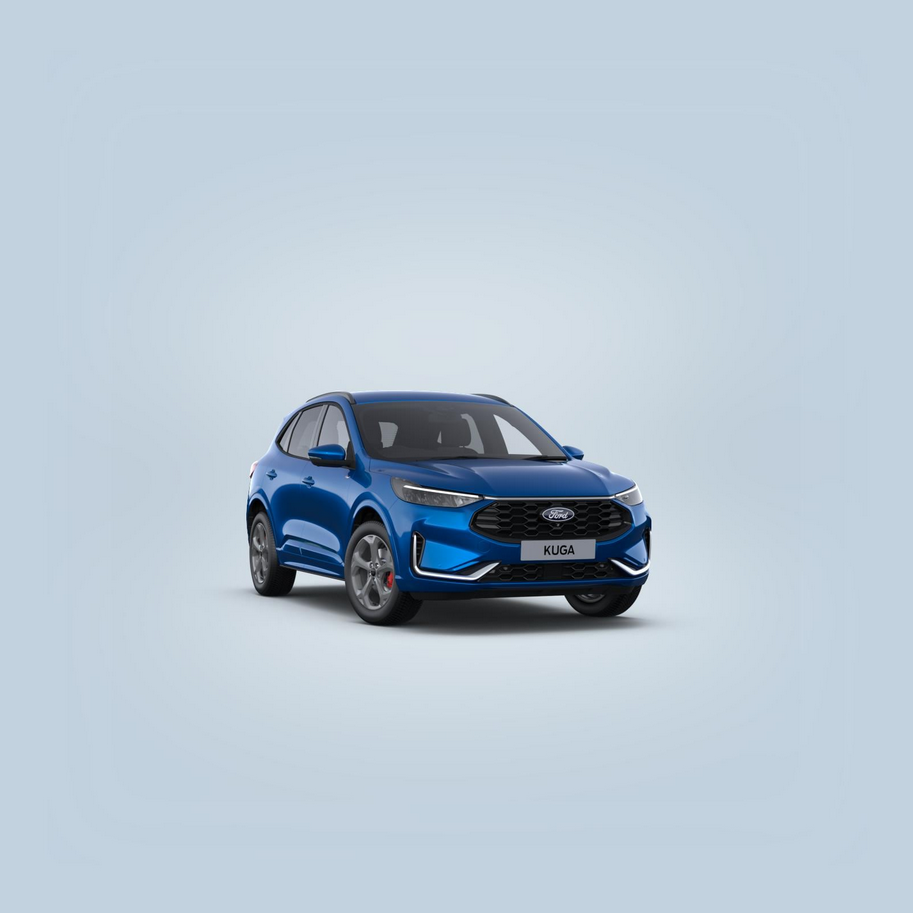
The Tucson PHEV makes a strong case for itself on practicality alone. That 558-litre boot is the largest in its mainstream class, the 1,650kg tow rating rivals proper family SUVs, and unlike most plug-in rivals, AWD comes as standard through Hyundai's HTRAC system — not an optional extra to haggle over. Used examples sit between £22,000 and £32,000, which represents solid value for a car with this much capability.
On electric range, a 39-mile WLTP figure is competitive, though expect 28 to 35 miles in real-world conditions — still enough to handle most daily commutes on battery alone if you can charge regularly. The sharp exterior styling holds up well too; this is a car that doesn't look like a compromise.
Be honest about the trade-offs, though. Early models shipped with infotainment software that needed updates before it worked reliably, so check that any used example has had them applied. The ride can turn firm when the surface deteriorates — not unbearable, but noticeable on rougher B-roads. Interior plastics in places fall short of what Volkswagen or Skoda offer at a similar price.
None of those issues are deal-breakers, and for buyers who need genuine towing capacity, a spacious boot, and all-wheel drive without paying SUV-premium prices, the Tucson PHEV delivers where it counts.
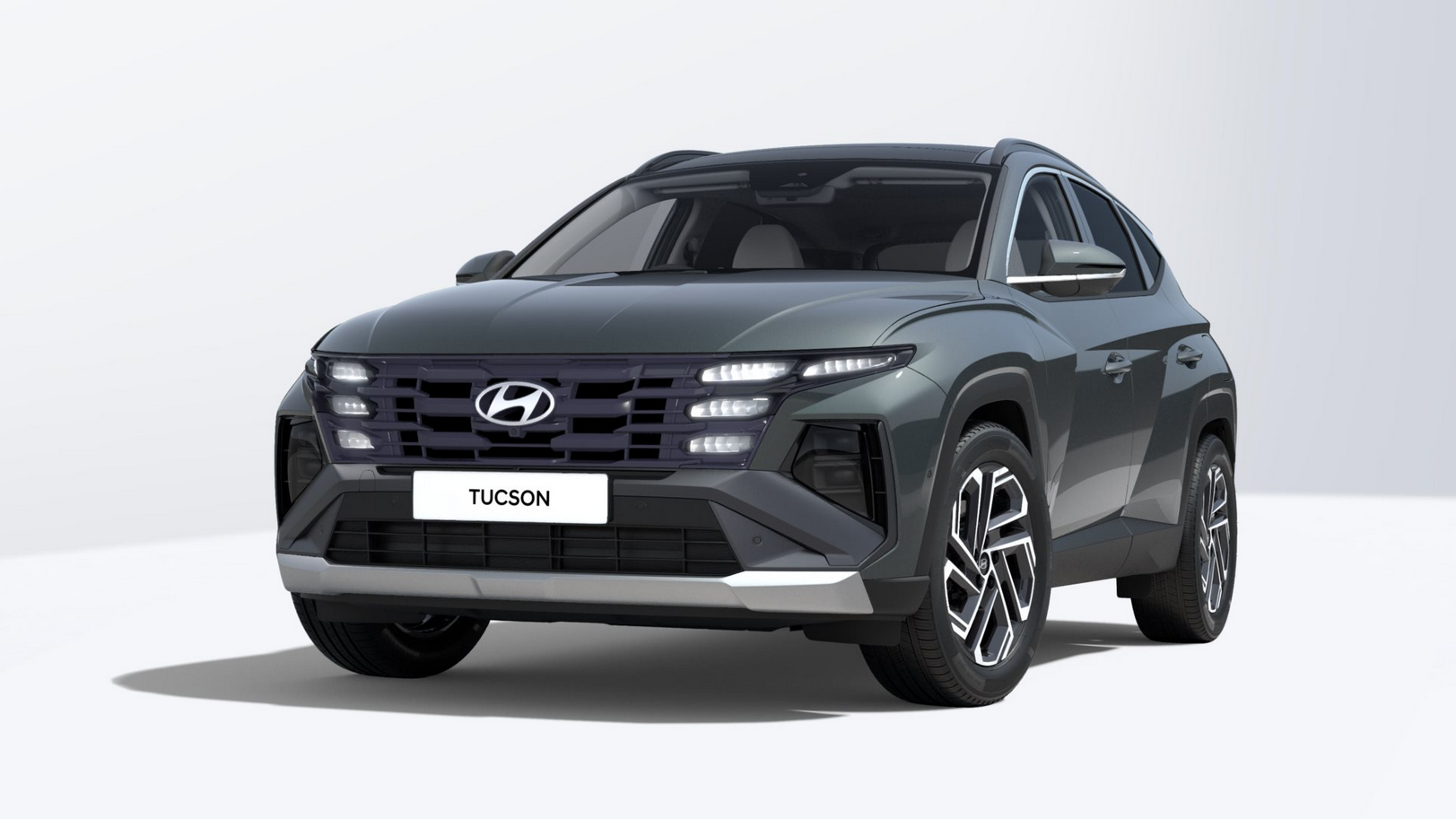
The Kia Sportage PHEV makes a compelling case on practicality alone. That 540-litre boot is the largest in this group — genuinely useful if you're loading up for weekends away — and the cabin is well-built, generously equipped, and comfortable across long motorway runs. Used prices between £23,000 and £33,000 keep it accessible compared to the Volvo and BMW, and Kia's seven-year warranty transfers to subsequent owners on cars within the age and mileage limits, which is a real-world advantage when buying used.
The 43-mile WLTP electric range translates to around 30–38 miles in everyday driving — respectable, if not class-leading. For a commuter covering 25–30 miles daily, this is a plug-in that can genuinely run on electricity most of the time without anxiety. The 1,500kg tow rating matches the RAV4 and Outlander, so it handles a modest trailer or small caravan without drama.
There are trade-offs to acknowledge. AWD is only available on the GT-Line S — lower trims are front-wheel drive only, so check the spec sheet carefully if traction matters to you. Stick to the Mk5 generation from 2022 onwards; earlier Sportage PHEVs don't exist, but younger used examples are now appearing in numbers. The driving character is competent rather than exciting — it's calm and composed, but it won't stir the soul the way a BMW X3 does.
This one is for the pragmatic family buyer who wants maximum space, reassuring warranty cover, and a sensible entry price.
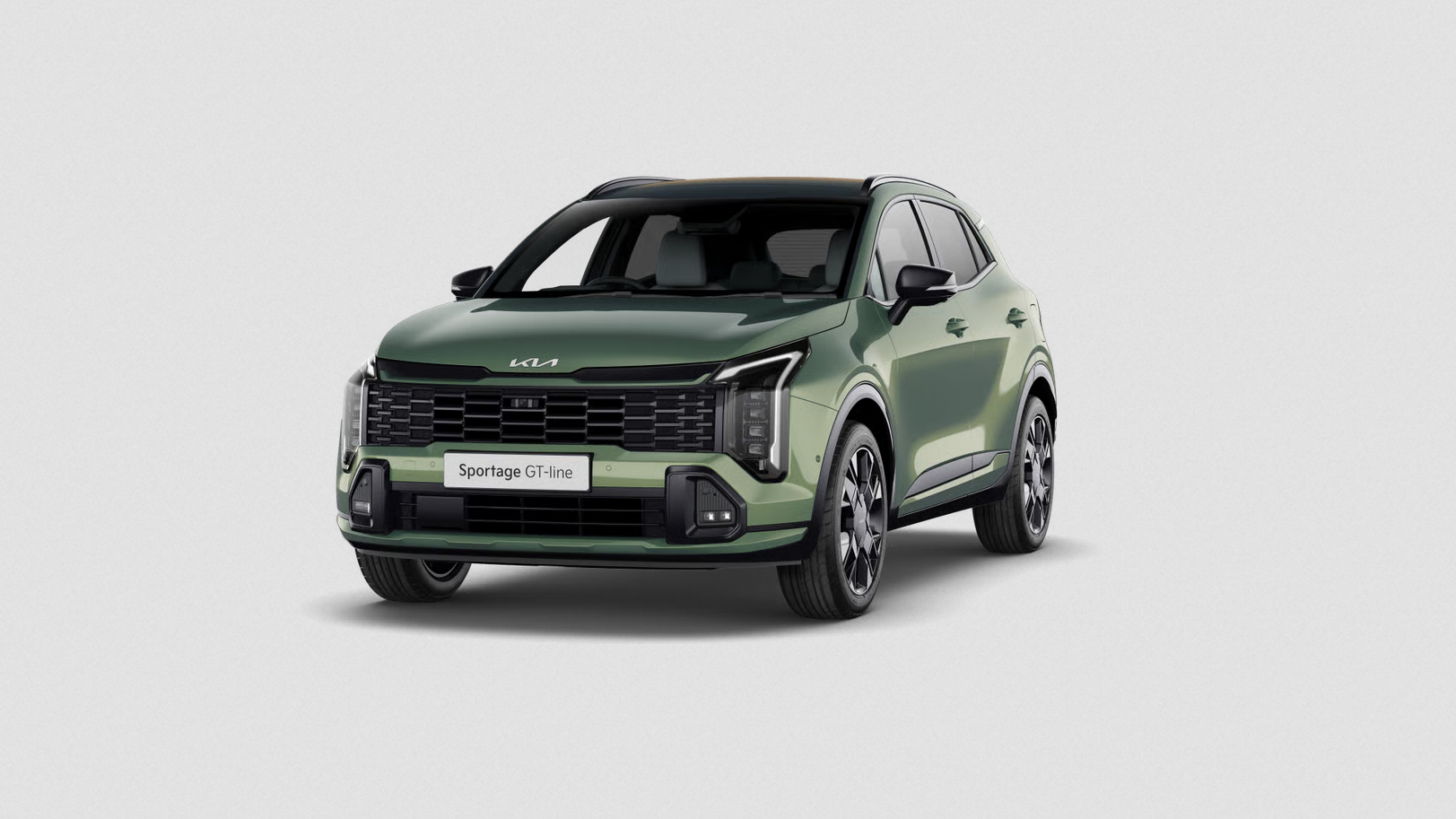
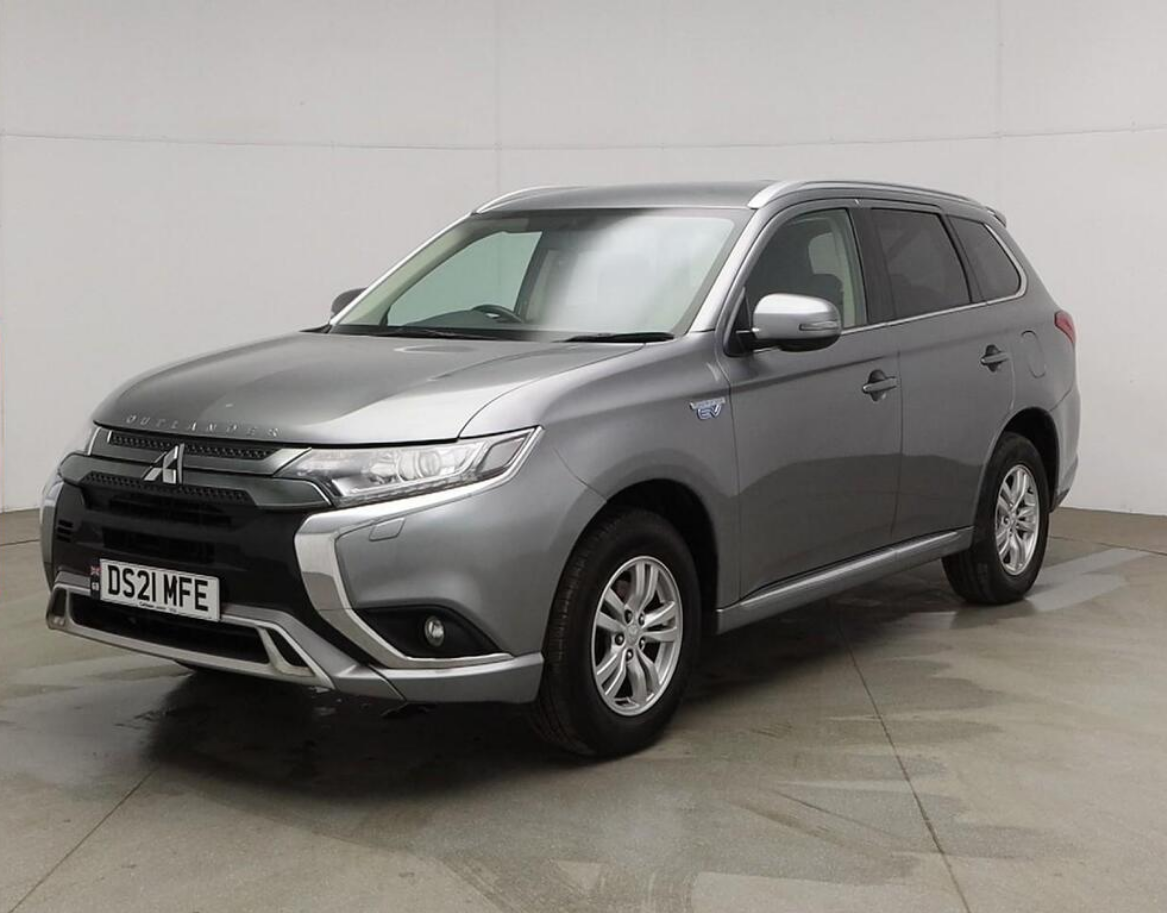
The Outlander PHEV holds a unique card in this group: it's the only one that can genuinely seat seven. That alone makes it worth serious consideration for larger families, even if the third row is best reserved for children rather than adults on long journeys. Beyond the seating, Mitsubishi's twin-motor AWD system comes standard across the range — you're not paying extra to unlock four-wheel drive as you are with some rivals. It's a genuinely capable setup, and the Outlander's PHEV credentials are well-proven; Mitsubishi has been refining this drivetrain longer than almost anyone else in the segment.
Priced from around £21,000 to £30,000 used, it's the most accessible car in this guide, and that spread buys you a lot of real-world practicality. Boot space runs to 503 litres with all five main seats in use, though fold down the third row and that drops sharply to 170 litres — a trade-off to factor in if you need the extra seats regularly. The WLTP electric range of 38 miles translates to roughly 25–32 miles in everyday driving, which trails the RAV4 and Volvo, and petrol fuel economy when the battery depletes is the weakest of the five cars here. The interior, too, feels its age against the polished Korean and Scandinavian alternatives.
The Outlander PHEV is the one for families who need that third row and want standard AWD without stretching to a premium badge.
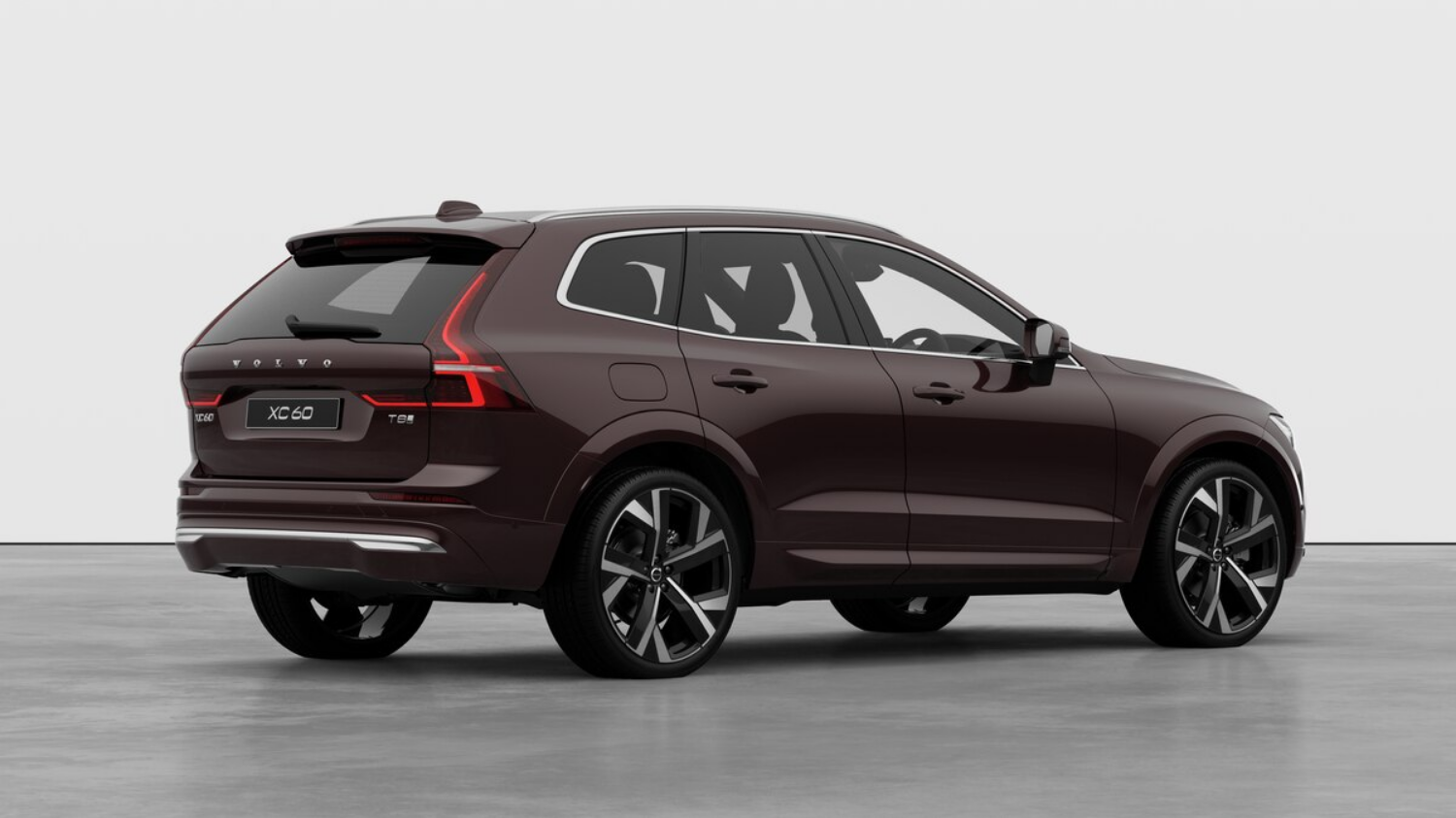
If interior quality is your priority, the XC60 T6 Recharge makes a compelling case. Step inside and you're met with genuinely premium materials — soft leather, brushed metal, and a calm Scandinavian layout that puts both the Kia and Mitsubishi firmly in the shade. It's a car that feels expensive because it is, and the used market reflects that: prices run from £27,000 to £40,000, making it the most costly entry in this class after the BMW.
Under the bonnet, a 2.0-litre turbocharged and supercharged petrol unit combines with an electric rear axle to produce 300bhp and genuine AWD traction. That electric rear motor means drive is sent to the back wheels independently of the front — useful in slippery conditions and effective enough for most off-road detours. On a long motorway run, the XC60 is hushed and relaxed in a way that few rivals match. The 45-mile WLTP electric range is honest enough, though 30–38 miles is a more realistic daily figure.
The 2,000kg tow rating is strong, the safety credentials are class-leading, and refinement on longer journeys is genuinely hard to fault. Where it concedes ground is in practicality: the 468-litre boot is the smallest here bar the BMW, and the infotainment system — while visually attractive — can feel layered and unintuitive until you've lived with it.
This is the one to choose if you want a premium feel and long-haul refinement and can live with a slightly compromised boot.
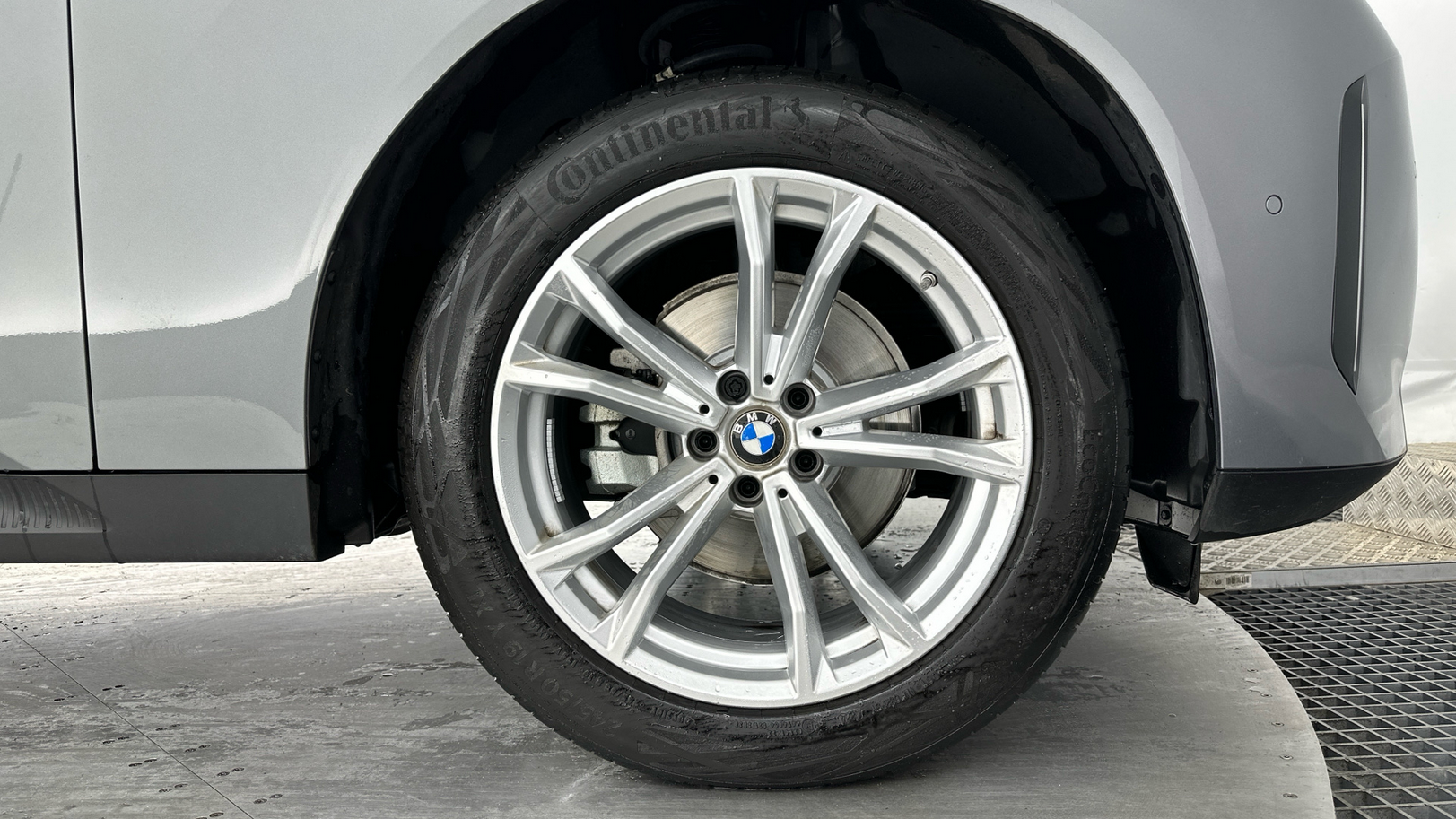
If you need to tow, the BMW X3 xDrive30e makes an immediate case for itself. Its 2,400kg tow rating sits well above anything else in this group — the Volvo XC60 manages 2,000kg, the others cap at 1,500kg — which makes the X3 the default choice for anyone with a caravan or a substantial trailer. Pair that with 292bhp, xDrive all-wheel drive, and BMW's trademark chassis polish, and you have the most driver-focused PHEV SUV here by some margin. The iDrive infotainment system remains one of the best in the business: intuitive, quick to respond, and ageing far more gracefully than some rivals.
The trade-offs, though, are real and worth budgeting for. The X3 returns the shortest real-world electric range of the group — expect 25 to 30 miles on a full charge, not the 35 miles the WLTP figure implies. Its 450-litre boot is the smallest here, and used prices run from £28,000 to £42,000, with servicing costs outside the BMW network that can sting if you're not prepared. Running costs are the highest of the group across the board, so if your annual mileage is climbing and you're relying on that electric range to keep fuel bills down, the X3 may disappoint.
This is the one to buy if driving pleasure and towing capability matter more to you than running economy or boot space.
Frequently asked questions
For most buyers, the Toyota RAV4 PHEV offers the best balance of real-world electric range, AWD capability, and long-term reliability. The Kia Sportage PHEV is the strongest alternative if you want a transferable warranty. For premium buyers, the Volvo XC60 T6 Recharge is the comfort and refinement leader, while the BMW X3 xDrive30e suits those who prioritise driving dynamics and maximum tow rating.
Official WLTP figures are optimistic. In real-world UK driving conditions — including cold weather, faster A-roads, and a full load of passengers — most PHEV SUVs deliver 25–40 miles of electric range. The Toyota RAV4 PHEV is at the upper end, regularly achieving 35–45 miles on a careful charge. The BMW X3 xDrive30e is at the lower end, typically returning 25–30 miles.
The BMW X3 xDrive30e leads on maximum towing capacity at 2,400kg braked, followed by the Volvo XC60 T6 Recharge at 2,000kg. The Hyundai Tucson PHEV (1,650kg) and Toyota RAV4 PHEV (1,500kg) also offer useful braked tow ratings. The Ford Kuga PHEV is not suited to towing — it's limited to 750kg unbraked only.
The Mitsubishi Outlander PHEV is the only model in this group that offers a seven-seat option. The third row is compact and better suited to children than adults, but it's there when you need it. If a genuine third row is essential, the Outlander PHEV is effectively your only mainstream used PHEV SUV choice in the UK.
It depends on your driving patterns. Without home charging, you'll need to use public charge points or workplace chargers to make the electric range worthwhile. If you can't charge regularly, a conventional self-charging hybrid SUV will often offer better real-world efficiency, as it doesn't carry a heavy battery pack that adds weight without benefit. PHEVs deliver their greatest advantages — low running costs and tax savings — only when charged consistently.