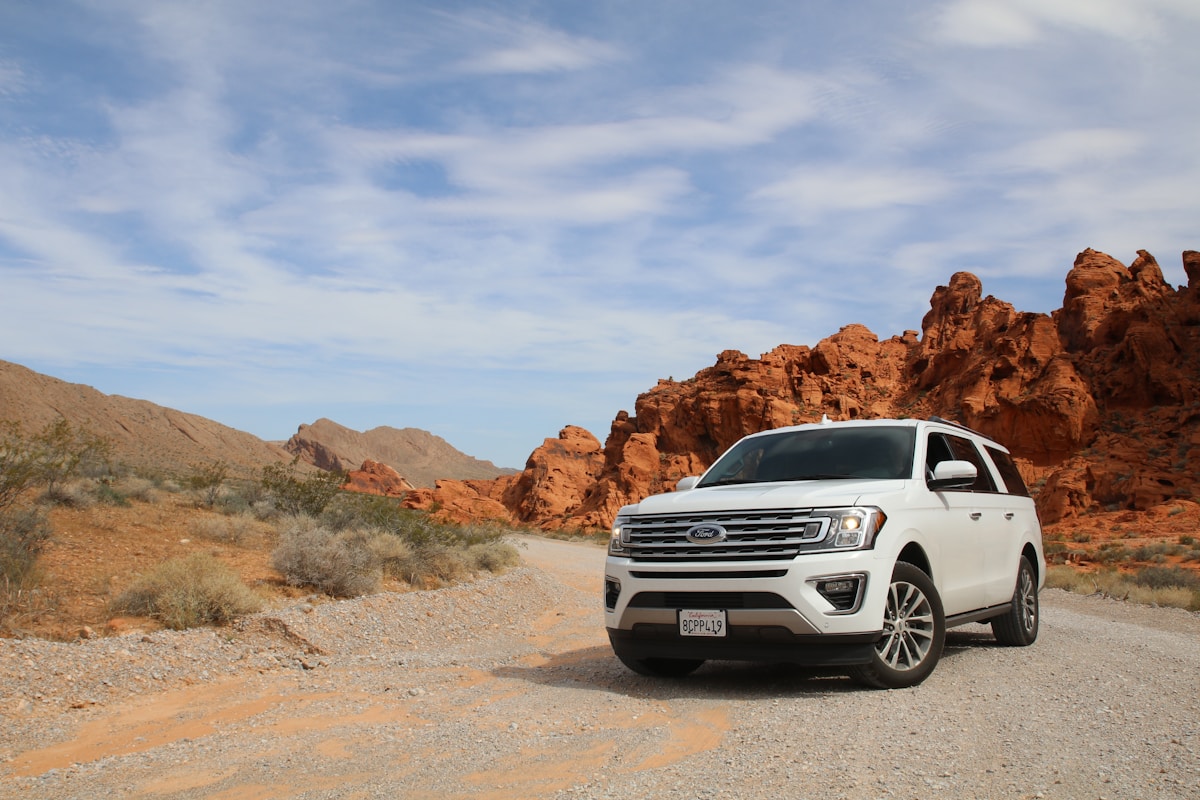
Best Used SUVs Under £20,000 in the UK 2026
Key takeaways
Near-new quality is achievable
A budget of £20,000 puts 2021–2023 mainstream SUVs within reach, often with low mileage and remaining manufacturer warranty.
Depreciation curves vary enormously
German premium cars and Korean mid-rangers lose value at very different rates. The BMW X1 and Volvo XC40 offer badge premium at a fraction of their new-car prices.
Sometimes new beats used
At this budget, entry-level new SUVs from Dacia and MG are genuinely competitive. We flag the scenarios where buying new is the smarter financial decision.
Hybrid tech is now affordable
The Toyota RAV4 Hybrid falls within budget from 2019 onwards, offering genuine fuel savings without the compromise of a pure electric drivetrain.
Our picks: best used SUVs under £20,000

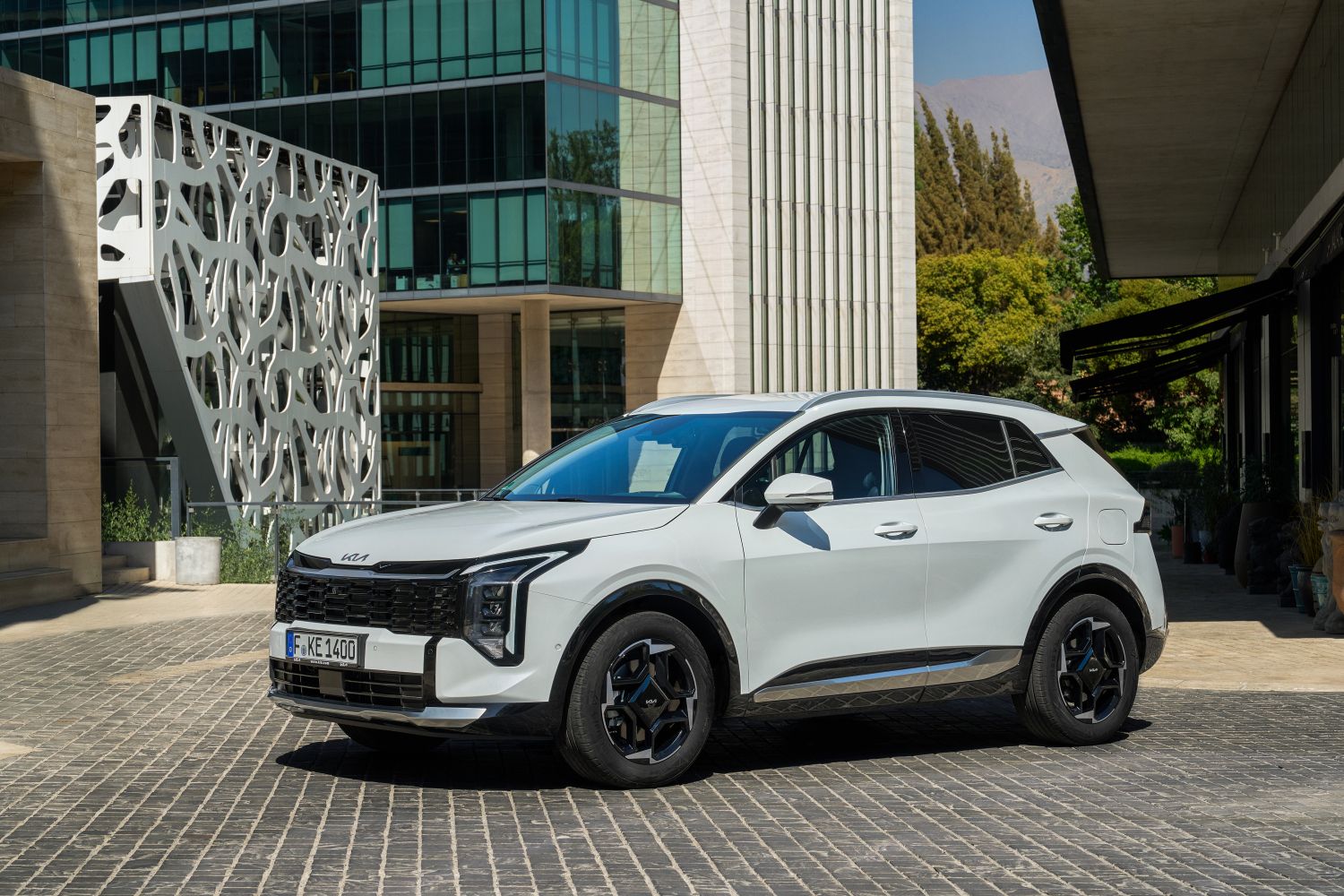
The best all-rounder at this budget. The Mk5 Sportage looks bold, drives well, and comes loaded with technology — plus Kia's seven-year warranty can still be active on early 2022 cars.
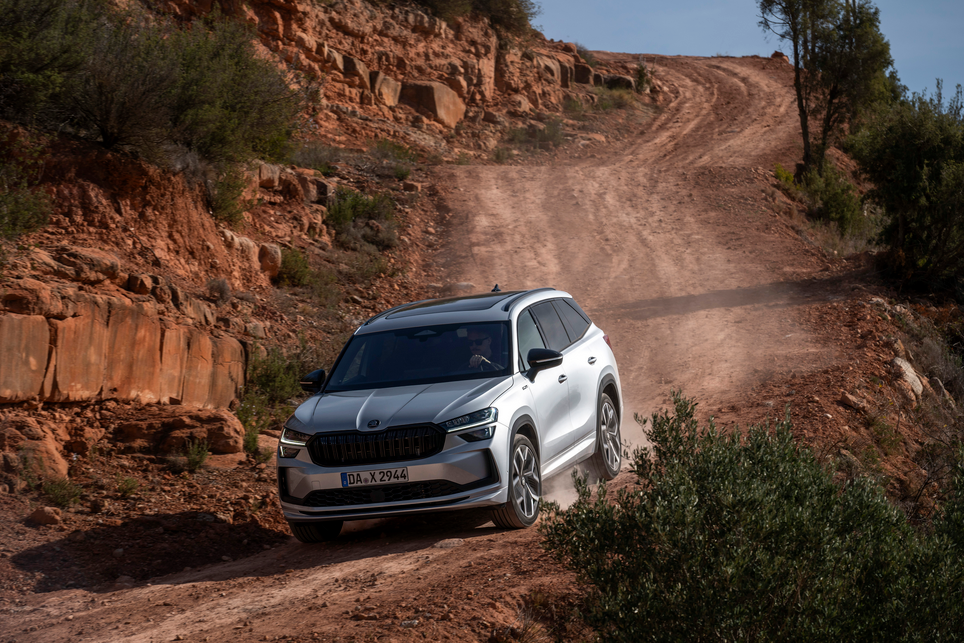
The Kodiaq Mk1 facelift is the practical champion of this group. Seven seats, a 720-litre boot with the rears folded, and Volkswagen Group mechanicals at Skoda prices.
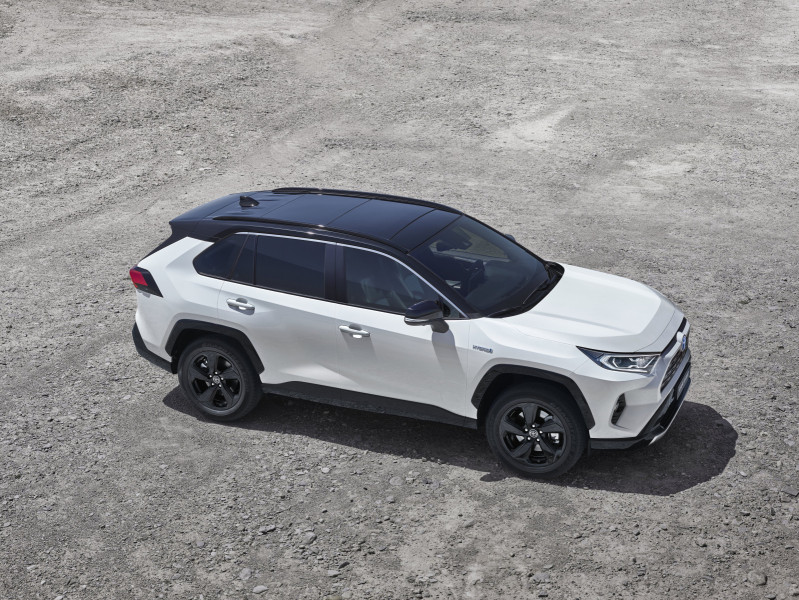
The only self-charging hybrid in this list. Real-world fuel economy of 42–48mpg in mixed driving makes it the cheapest-to-run petrol-powered SUV here, and Toyota reliability is hard to argue with.
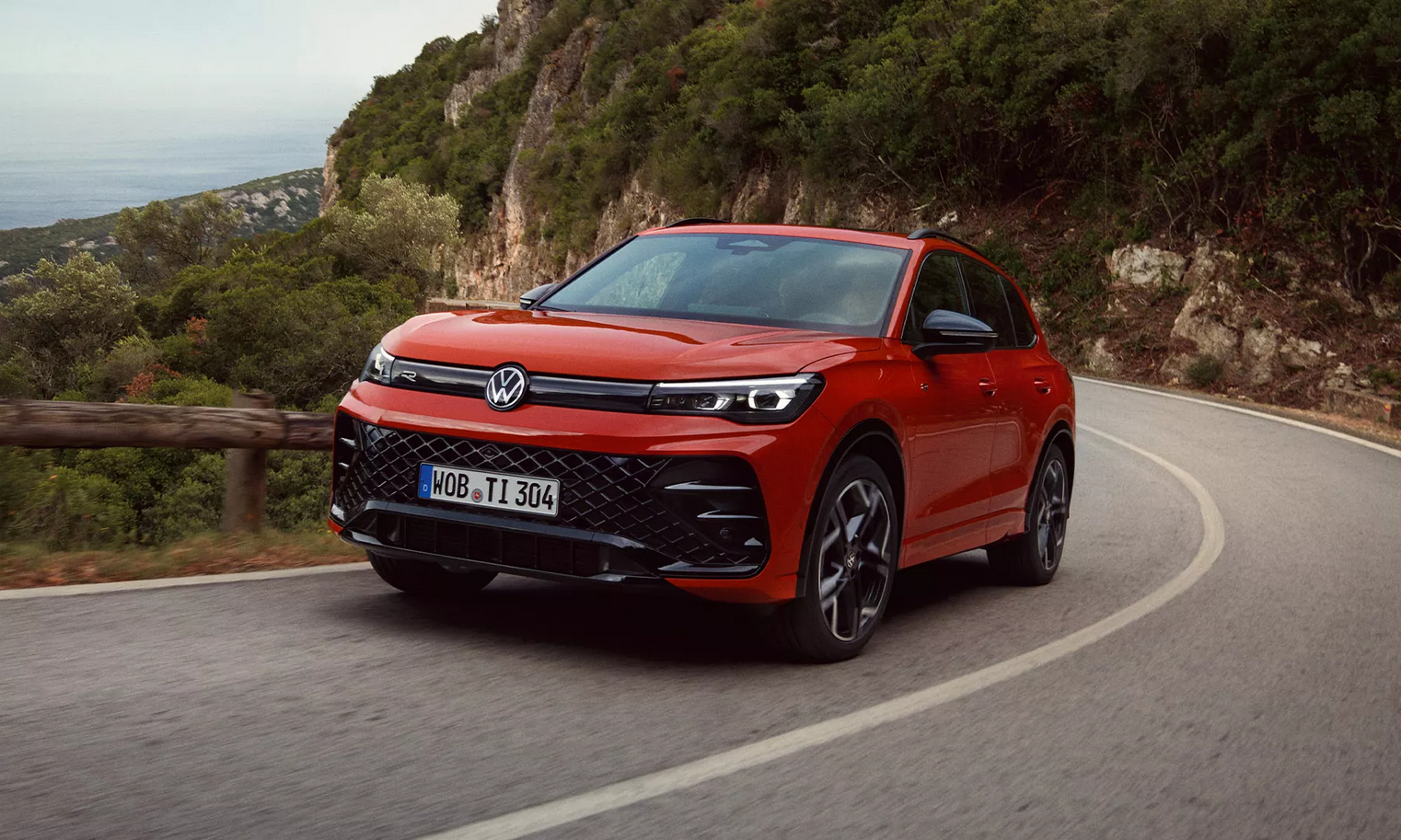
The Tiguan Mk2 facelift feels more premium than its price tag suggests. Refined, well-built, and available in R-Line trim — which adds visual appeal without a serious cost premium over standard.
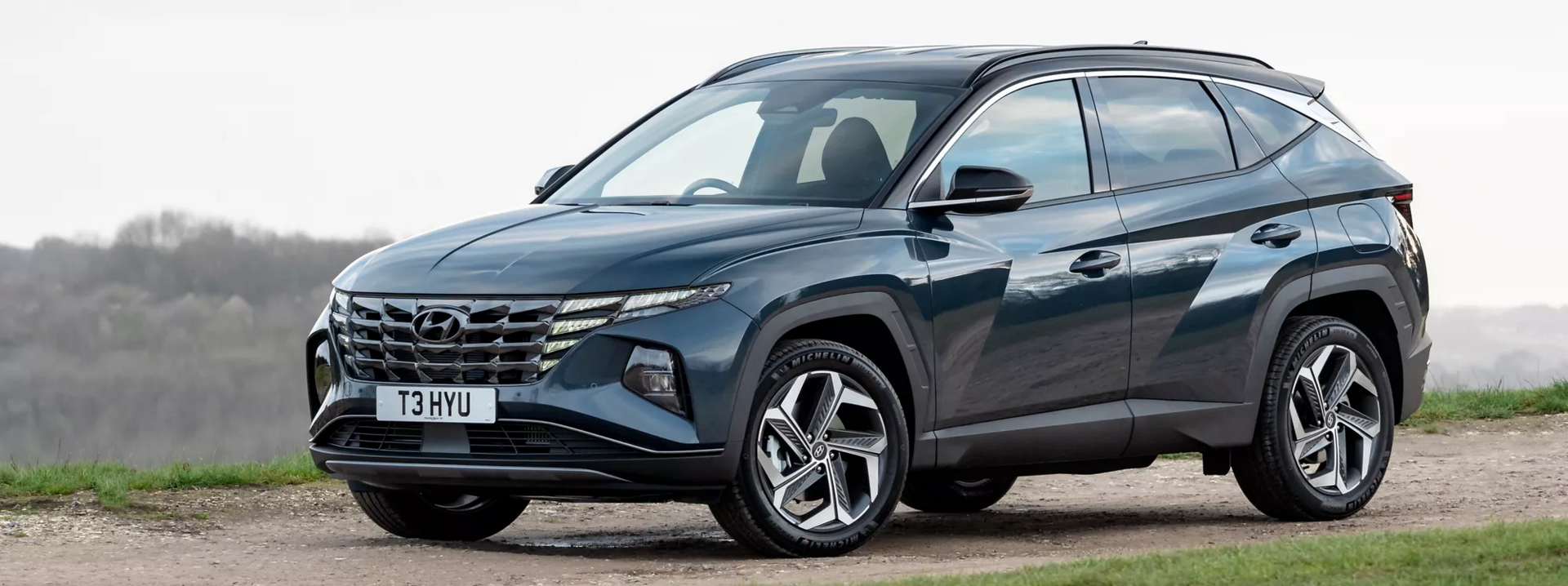
The Mk4 Tucson is a big step forward from its predecessor. Striking exterior design, a genuinely upmarket interior, and mild hybrid tech across most of the range help it punch above its price point.
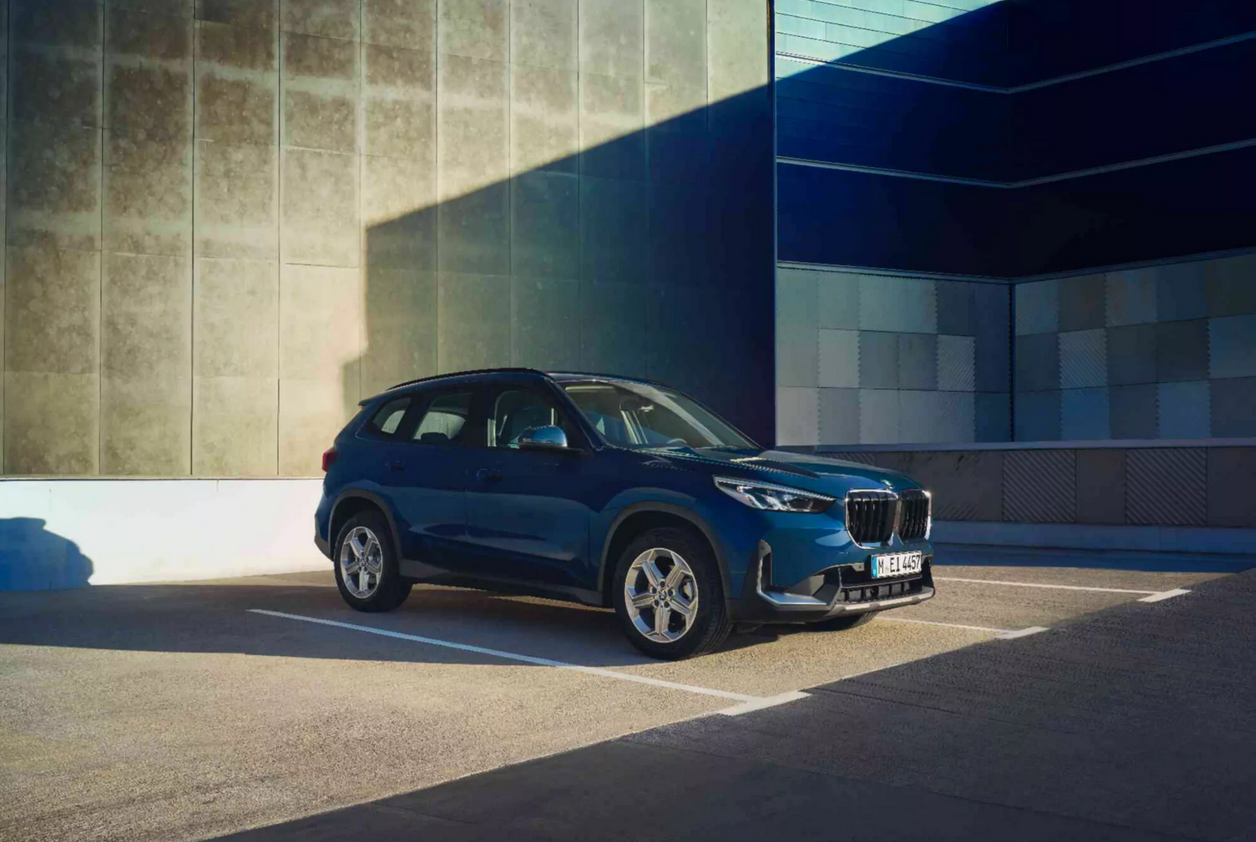
Premium badge, premium driving dynamics — at used-mainstream prices. The F48 X1 is the value play for buyers who want a BMW without BMW running costs. The 18d and 20d diesel engines are particularly strong.
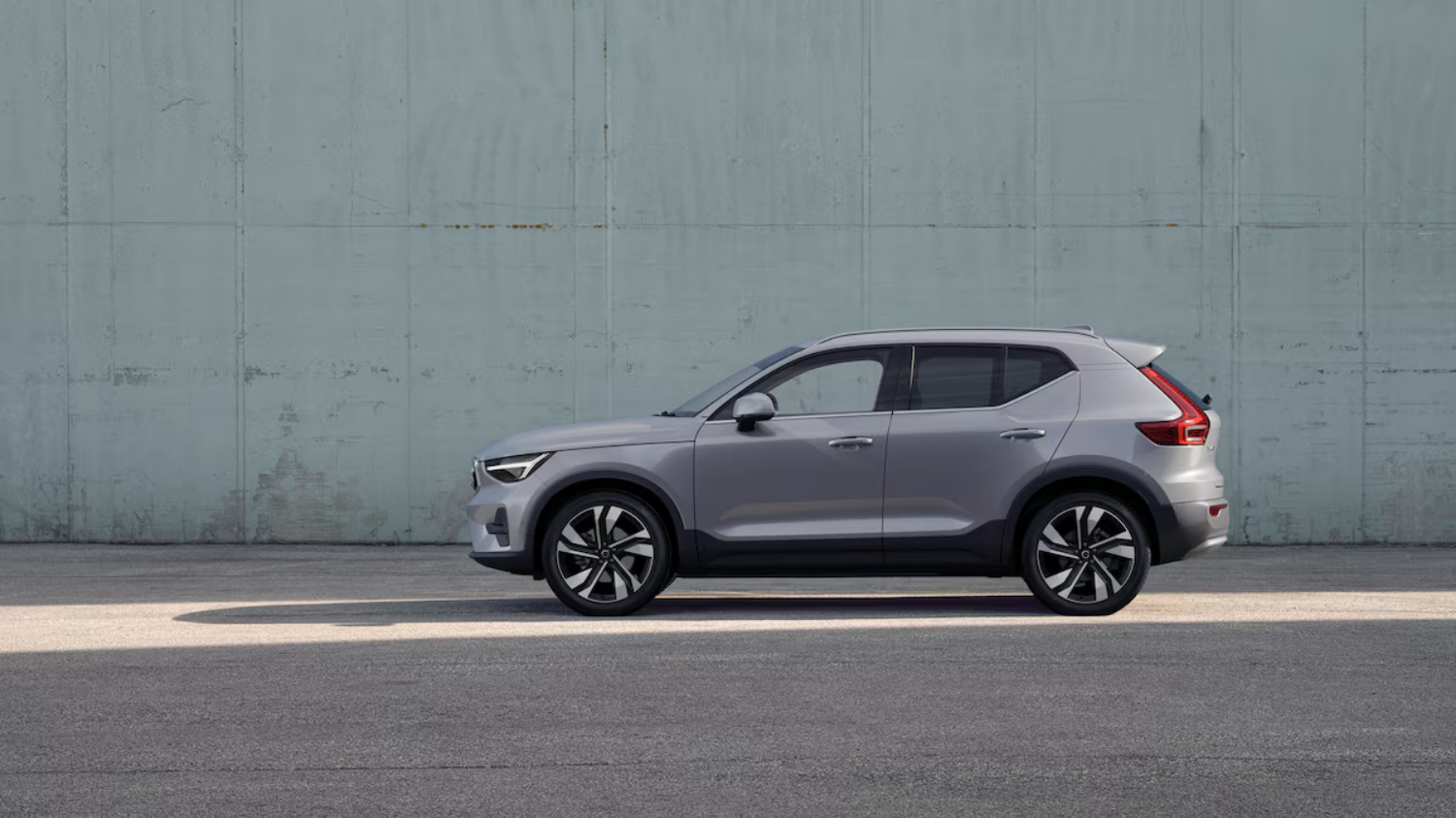
The XC40 remains one of the most desirable compact SUVs on the road. Scandinavian interior quality, distinctive styling, and a Volvo safety pedigree make it a compelling premium option at this budget.
Kia Sportage Mk5 (2022–2023): the best all-rounder
The Mk5 Sportage is the car that does everything well, which is why it's the standout pick at this budget. It looks bold, drives with composure, and arrives loaded with technology — including a full ADAS suite with lane assist and automatic emergency braking. Hybrid and PHEV variants are both available if you want to lower running costs further, and a real-world 44mpg from the 1.6 petrol mild hybrid keeps fuel bills sensible.
The headline, though, is Kia's transferable seven-year warranty, which can still be active on early 2022 cars — a level of protection no premium rival here can match.
The trade-offs are minor. Strong residuals mean it feels less of a bargain than some older rivals, and rear visibility isn't class-leading. But for £17,500–£20,000, the Sportage combines near-new age, excellent reliability, generous equipment, and warranty cover into the most complete package in this group.
Skoda Kodiaq Mk1 facelift (2021–2023): the practicality champion
The Kodiaq is the car to buy if space is your priority, and the only seven-seater you can reliably find at this budget. The optional third row makes it genuinely versatile for families, while the 720-litre boot in five-seat form is among the largest in the class. Underneath sit proven Volkswagen Group mechanicals — including strong 2.0 TDI diesels that deliver a real-world 46mpg — at Skoda prices, with Virtual Cockpit and Columbus infotainment available on higher trims.
It's a mature, refined drive that excels on long motorway journeys, making it an ideal family workhorse.
The compromises are character-related. The interior design is less exciting than the Korean rivals, and the DSG gearbox can feel jerky at low speeds in traffic. Neither dents the core appeal. At £16,500–£20,000, with seven seats and a vast boot, the Kodiaq is the practical heart of this list.
Toyota RAV4 Hybrid (2019–2022): the cheapest to run
The RAV4 Hybrid is the SUV to choose if low running costs and dependability matter most. It's the only self-charging hybrid here, needing no plug at all, and its real-world economy of 42–48mpg in mixed driving makes it the cheapest petrol-powered SUV to fuel in this group — beating most diesels at the price. Toyota Safety Sense is standard across the range, AWD is available on Dynamic Force hybrid models, and the 580-litre boot is generous.
The real draw is reliability. Toyota's hybrid system is exceptionally well-proven, and the RAV4 has an outstanding long-term dependability record that makes it arguably the lowest-risk buy on this page.
The compromises are modest. The infotainment feels dated next to the Korean rivals, and insurance groups run higher on some trims. But for £17,000–£20,000, the RAV4 Hybrid offers no-plug simplicity, low fuel bills, and bulletproof reliability — a combination nothing else here matches.
Volkswagen Tiguan Mk2 facelift (2020–2022): the premium-feel cruiser
The Tiguan is the choice for buyers who want a cabin that feels more expensive than the price suggests. The Mk2 facelift is refined and well-built, with mature motorway manners that make it a relaxed long-distance companion. Digital Cockpit Pro features on Life trim and above, and there's a strong engine line-up — the 1.5 TSI petrol and 2.0 TDI diesel are both excellent, the latter returning a real-world 48mpg. A wide dealer network keeps servicing straightforward.
The R-Line trim is worth seeking out, adding visual appeal without a serious cost premium over the standard car.
The downsides are character and tech. It's less engaging than the BMW X1, and the infotainment can suffer occasional software issues. But for £16,000–£19,500, the Tiguan delivers a premium-feeling, refined family SUV with strong diesel economy and the reassurance of VW's servicing network.
Hyundai Tucson Mk4 (2020–2023): the style statement
The Mk4 Tucson is the car to buy if you want your SUV to stand out. It's a dramatic step forward from its predecessor, with striking exterior design — including the distinctive parametric hidden air vents in the grille — and a genuinely upmarket interior that punches above its price point. Mild hybrid tech is standard across most of the range, and the ride is comfortable and well-damped, making it a relaxed long-distance car. A 620-litre boot and generous standard equipment round out a strong package.
Very good reliability and bold looks make it one of the more desirable mainstream choices here.
The trade-offs are specific. The mild hybrid system saves less fuel than Toyota's full hybrid, returning around 42mpg, and the infotainment has a slight learning curve. But for £15,500–£19,500, the Tucson combines head-turning design, a quality cabin, and modern tech into one of the best-value options in this group.
BMW X1 (F48, 2018–2021): the premium value play
The X1 is the car for buyers who want a genuine premium badge and proper driving character without premium running costs. Thanks to a steep depreciation curve, the F48 X1 delivers BMW dynamics and cabin quality at used-mainstream money. The diesel engines are the highlight — the 18d and 20d are refined and economical, with the 2.0d returning a real-world 47mpg — and xDrive all-wheel drive is available on higher variants for added security.
It's the most engaging car here to drive, with the kind of steering feel and composure that only BMW reliably delivers at this size.
The costs are real, however. Insurance groups are high at 27–32, the 505-litre boot is smaller than the mainstream rivals, and servicing costs sit above average. Reliability is good rather than outstanding. But for £15,000–£19,500, the X1 is the smart way into premium SUV ownership for buyers who prize how a car drives.
Volvo XC40 (2018–2021): the design and safety pick
The XC40 remains one of the most desirable compact SUVs on the road, and it's the choice for buyers who value interior quality and safety above outright space. The Scandinavian cabin design is class-leading — beautifully finished and distinctive — and Volvo's safety systems are among the best you'll find at any price. Strong depreciation in the three-to-five-year window has created a genuine buyer opportunity, with petrol (T3, T4) and diesel (D3, D4) options available.
A Volvo safety pedigree and standout styling make it a compelling premium alternative to the German badges.
The compromises centre on practicality and cost. At 460 litres, it has the smallest boot in this group, and both servicing and insurance costs run higher than the mainstream rivals. But for £14,500–£19,500, the XC40 offers premium design, exceptional safety credentials, and the kind of kerb appeal that few rivals at this budget can match.
Side by side
- boot_space587 litres
- reliabilityExcellent
- fuel_economy44mpg (1.6 petrol mild hybrid)
- insurance_group17–22
- electric_range—
- ✓Transferable 7-year warranty
- ✓Bold, fresh design
- ✓Well-equipped at this price
- −Holds value well — less of a 'deal' than older rivals
- −Rear visibility not class-leading
- boot_space720 litres (5-seat)
- reliabilityGood
- fuel_economy46mpg (2.0 TDI)
- insurance_group18–24
- electric_range—
- ✓Seven-seat option at this price
- ✓Vast boot space
- ✓Mature, refined drive
- −Interior design less exciting than Korean rivals
- −DSG gearbox can be jerky at low speeds
- boot_space580 litres
- reliabilityOutstanding
- fuel_economy46mpg (real-world hybrid)
- insurance_group20–27
- electric_range—
- ✓No-plug hybrid simplicity
- ✓Outstanding long-term reliability
- ✓Lower fuel bills in most driving
- −Infotainment feels dated vs Korean rivals
- −Higher insurance groups on some trims
- boot_space615 litres
- reliabilityGood
- fuel_economy48mpg (2.0 TDI)
- insurance_group18–25
- electric_range—
- ✓Premium-feeling cabin
- ✓Excellent motorway cruiser
- ✓Strong diesel economy
- −Less characterful than BMW X1
- −Infotainment can suffer software issues
- boot_space620 litres
- reliabilityVery good
- fuel_economy42mpg (1.6 MHEV)
- insurance_group16–23
- electric_range—
- ✓Distinctive design stands out
- ✓Generous standard equipment
- ✓Comfortable long-distance ride
- −Mild hybrid doesn't save as much fuel as Toyota's system
- −Some infotainment learning curve
- boot_space505 litres
- reliabilityGood
- fuel_economy47mpg (2.0d)
- insurance_group27–32
- electric_range—
- ✓Premium badge and driving quality
- ✓Excellent depreciation curve for buyers
- ✓Strong diesel engines
- −Higher insurance groups
- −Smaller boot than mainstream rivals
- −Servicing costs above average
- boot_space460 litres
- reliabilityGood
- fuel_economy43mpg (T4)
- insurance_group28–34
- electric_rangeN/A (non-PHEV)
- ✓Beautiful Scandinavian interior
- ✓Strong safety credentials
- ✓Outstanding depreciation for buyers
- −Smallest boot in this group
- −Higher servicing costs
- −Higher insurance groups
Warranty transfer: check the small print
The Kia Sportage's seven-year warranty is transferable to subsequent owners — but only if the car has been serviced within Kia's network at the correct intervals. Before buying any used Kia on the strength of its warranty, verify the full service history shows Kia-approved servicing. A single missed or non-approved service can void the remaining warranty entitlement.
Frequently asked questions
For most buyers, the Kia Sportage Mk5 (2022–2023) is the standout choice — it combines near-new age, strong reliability, a transferable seven-year warranty, and a generous equipment list. If you want more space, the Skoda Kodiaq is the better option. If running costs are a priority, the Toyota RAV4 Hybrid is hard to beat.
It depends on your priorities. A new smaller SUV (such as a Dacia Bigster or MG ZS) gives you a full warranty and zero depreciation already lost, but it will be smaller and less well-equipped than a 2021–2022 used model in this guide. For buyers who need more space, more kit, or a premium badge, the used market delivers significantly better value.
The Toyota RAV4 Hybrid leads on long-term reliability — Toyota's hybrid system is extremely well-proven. The Kia Sportage and Hyundai Tucson are close behind, with strong reliability data across both generations covered in this guide. The BMW X1 and Volvo XC40 are generally reliable but carry higher repair costs if something does go wrong.
Yes. The Skoda Kodiaq is the most accessible seven-seater in this price range, with 2021 examples available from around £16,500–£18,000. The optional third row is genuinely useful for occasional use, though it suits children better than adults. The Volkswagen Tiguan Allspace (7-seat version) also appears at the top of this budget but is rarer.
The Toyota RAV4 Hybrid. In mixed driving it regularly returns 42–48mpg, which beats most diesel alternatives at this price point and significantly outperforms petrols. It also sits in a lower BIK band than diesels, which matters for company car drivers. The Kia Sportage and Hyundai Tucson mild hybrids are second-best, though the fuel saving over a conventional petrol is more modest.