Ford Focus vs Vauxhall Astra: Which Holds Up Better?
Two of Britain's most common family hatchbacks, compared on real fault patterns rather than spec sheets alone.
The Ford Focus and Vauxhall Astra have been cross-shopped by British family car buyers for two decades, and both remain common sights on used forecourts. The Ford Focus vs Vauxhall Astra reliability question doesn't have a simple one-line answer, because the picture changes depending on which generation and engine you're looking at. What we can do is look at genuine fault patterns rather than marketing claims, and work out which one holds up better when the warranty runs out.
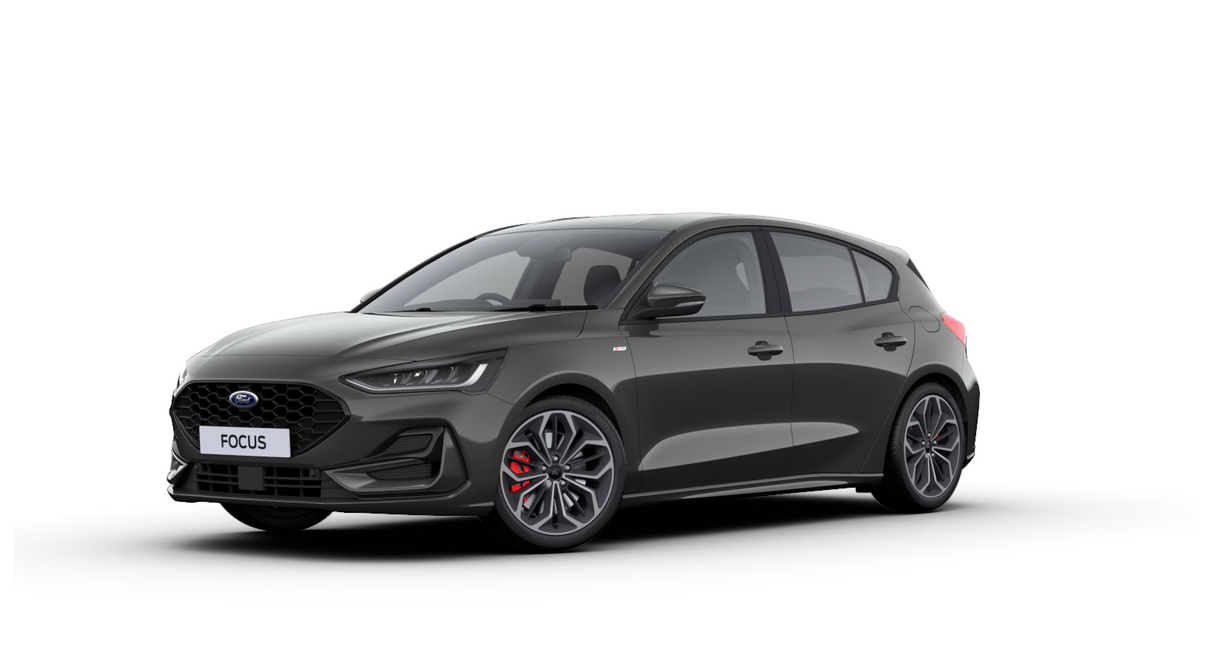
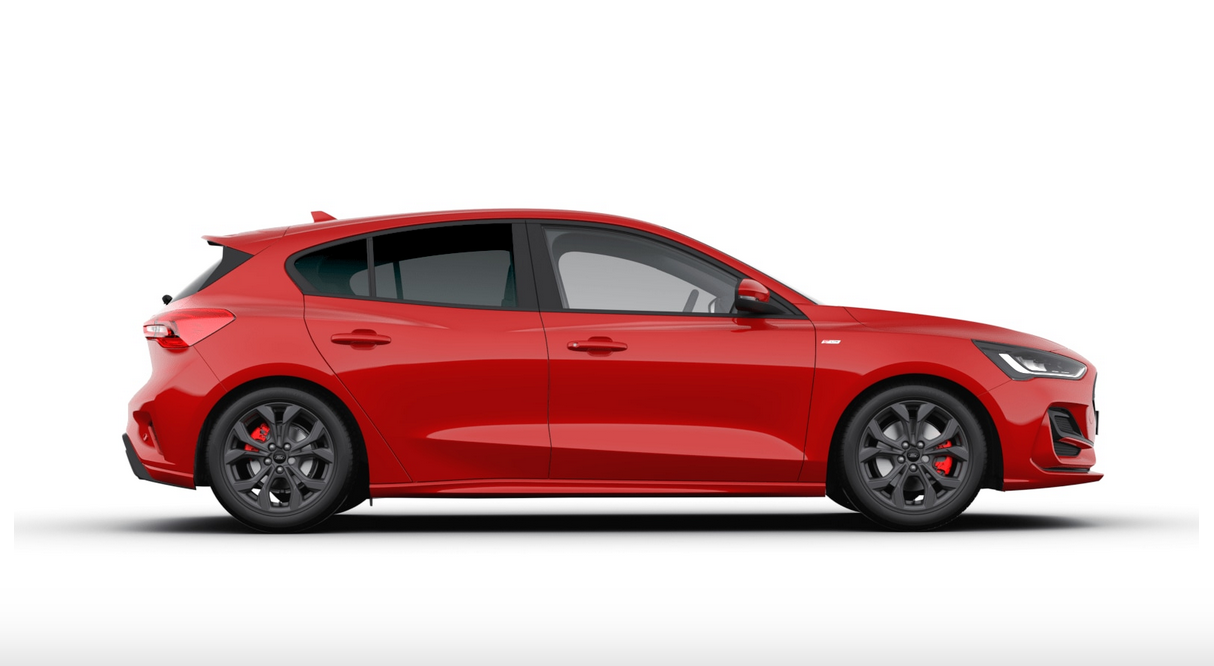
Ford Focus (Mk4, 2018-present)
The current Focus generation carries over Ford's well-proven EcoBoost petrol engines, including the 1.0-litre three-cylinder unit found across much of the range. Where earlier EcoBoost engines had a reputation for coolant leaks from the plastic coolant outlet elbow, later revisions largely addressed this. The Focus's independent rear suspension setup (on higher trims) gives it a genuine edge in ride and handling, though it does add mechanical complexity compared to the simpler torsion beam used on some rivals.
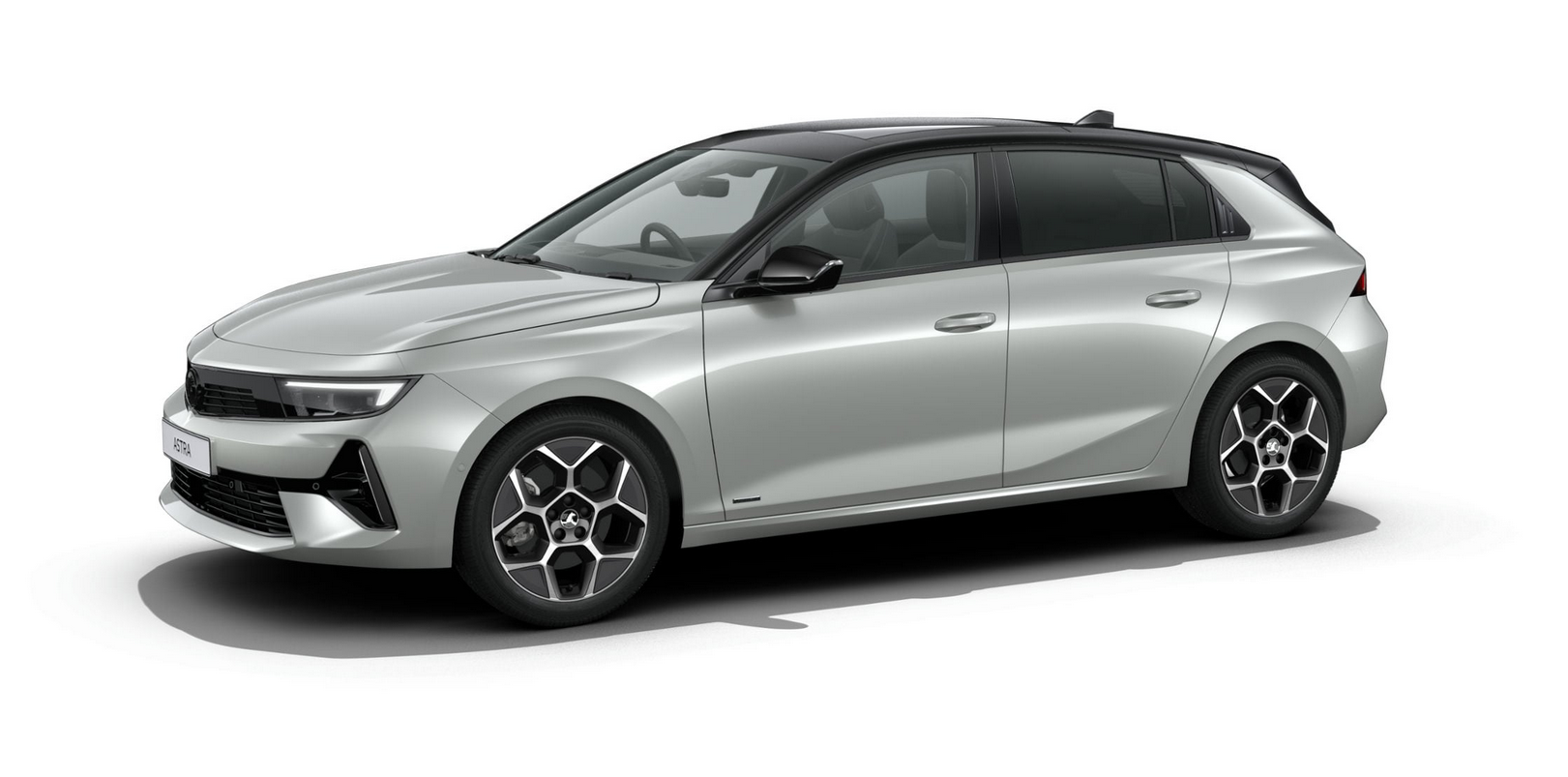
Vauxhall Astra (Mk8, 2021-present)
The Mk8 Astra moved onto the same EMP2 platform shared with Peugeot and Citroen models following Vauxhall's acquisition by the PSA Group (now Stellantis). This brought access to well-regarded PureTech petrol and hybrid powertrains, alongside genuinely improved build quality compared to earlier Astra generations, which had a mixed reputation for interior trim durability. Vauxhall's warranty terms are competitive, and running costs on the mild-hybrid variants are strong.
Side by side
- suspensionIndependent rear suspension on higher trims, better handling but added complexity
- common_faultsOccasional infotainment glitches, some clutch wear on manual variants
- engine_reliabilityStrong on later EcoBoost revisions; early coolant elbow issue mostly resolved
- ✓Sharper handling than most rivals in this class
- ✓Well-regarded EcoBoost engines once past early production issues
- ✓Strong parts availability and independent garage support
- −Rear suspension more complex and costlier to repair if it fails
- −Early Mk4 examples (2018-2019) worth checking for coolant elbow history
- suspensionSimpler torsion beam setup on most trims, less to go wrong
- common_faultsSome early software glitches on infotainment, otherwise solid
- engine_reliabilityPureTech/hybrid platform shared with Peugeot, generally well regarded
- ✓Improved interior quality versus earlier Astra generations
- ✓Competitive warranty and running costs on hybrid variants
- ✓Simpler rear suspension, cheaper to maintain long-term
- −Less engaging to drive than the Focus for keen drivers
- −Newer platform means less long-term used-market data than Ford's
Where the Focus wins
If driving enjoyment and outright handling matter to you, the Focus has the edge, largely thanks to the independent rear suspension fitted to higher trims. That sophistication is a double-edged sword though: it's more expensive to repair if something does go wrong, and there are more components that can wear out over time compared to the Astra's simpler setup.
Ford's dealer and independent garage network is also larger and more established across the UK, meaning parts availability and repair costs tend to be more competitive, an important factor once a car is out of warranty.
Where the Astra wins
The Mk8 Astra represents a genuine step up in build quality and interior durability compared to its predecessors, a common complaint about earlier Astra generations. The shared PSA platform brings access to well-regarded petrol and hybrid powertrains, and the simpler torsion beam rear suspension, while less exciting to drive, means fewer expensive components to fail as the car ages.
For buyers who prioritise low running costs and mechanical simplicity over outright driving engagement, the Astra edges ahead. It's a similar trade-off to the one we explore in our , where mechanical simplicity often wins out over sportier engineering for long-term ownership.
Check the MOT history before you decide
Whichever you're leaning toward, always check the specific car's MOT advisory history for repeat suspension or coolant-related advisories. Our explains exactly what to look for.
The verdict
Neither car is a bad choice, and both have moved on considerably from any historical weak points. If you want a hatchback that's genuinely satisfying to drive and don't mind slightly higher long-term maintenance costs on the suspension side, buy the Focus. If low running costs, simpler mechanicals and a noticeably improved cabin matter more to you, the Astra is the sounder long-term bet.
For a wider view of which family cars go the distance, our guide to is worth reading alongside this comparison, and if you're specifically weighing the Civic against these two, our covers a genuinely strong third option in this class.
Frequently asked questions
The Vauxhall Astra Mk8 generally has slightly lower long-term running costs, thanks to its simpler torsion beam rear suspension and well-regarded PureTech engines, though both cars are broadly reliable when properly maintained.
Early Mk4 Focus models (2018-2019) with the 1.0-litre EcoBoost engine had a known coolant outlet elbow issue, largely resolved on later production. Check the service history for evidence of this being addressed.
Yes, notably. The current Mk8 generation, built on the shared PSA/Stellantis platform, has significantly better interior trim quality than earlier Astra generations.
The Focus, thanks to its independent rear suspension on higher trims, offers sharper handling and a more engaging driving experience than the Astra's simpler setup.
Both have competitive parts availability given how common they are in the UK, though Ford's larger independent garage network gives the Focus a slight edge for repair costs.