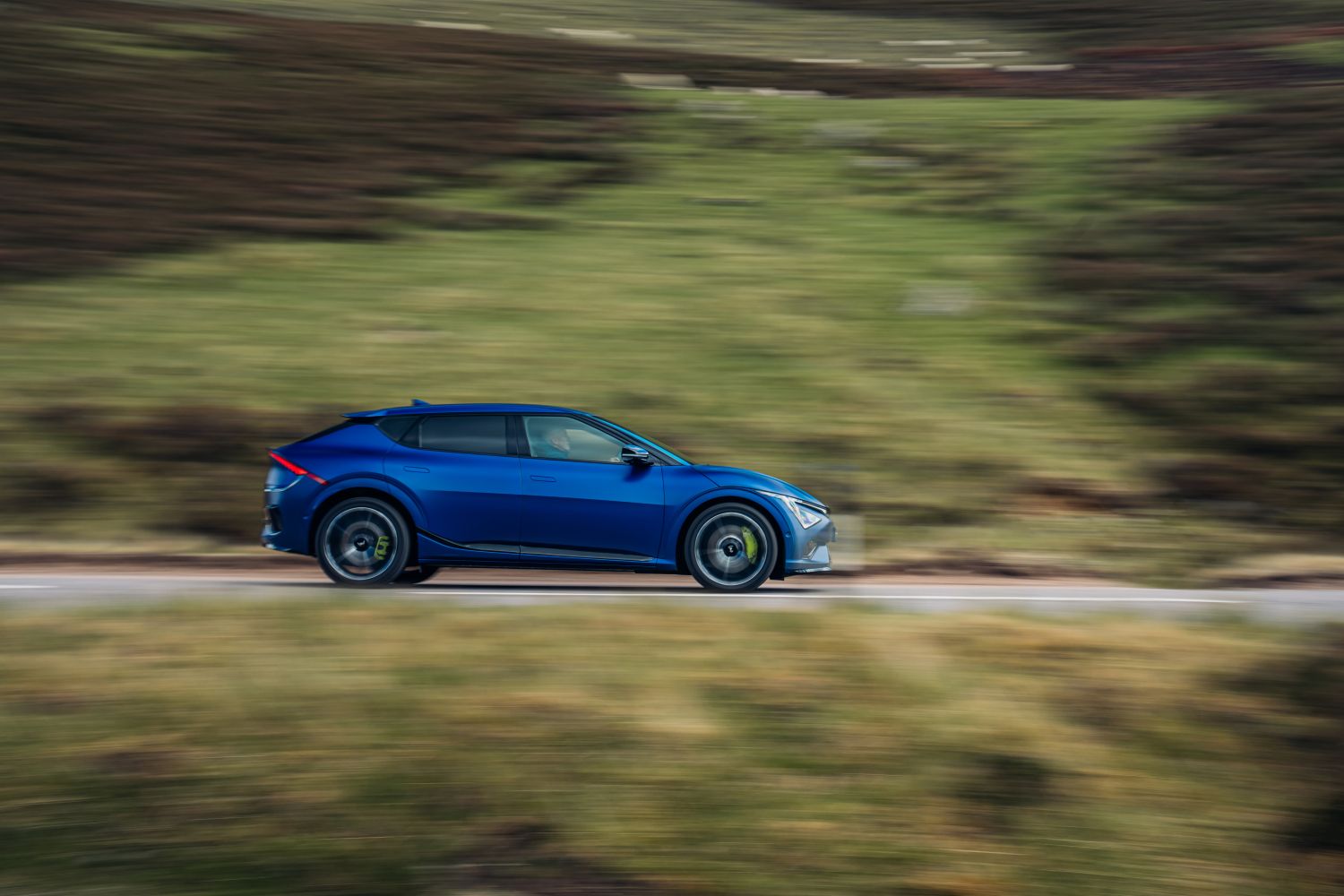
How to choose an electric SUV: range, charging, and running costs electric SUV
A practical decision framework, using the Kia EV6, Volvo EX30, Skoda Enyaq, and Tesla Model Y as real-world examples.
Choosing an electric SUV means juggling four numbers that petrol buyers rarely had to think about: real-world range, charging speed, running costs, and insurance group. Get the sums right and an electric SUV can cost less to run each month than the diesel it replaces. Get them wrong, and you'll spend more time queuing at a motorway service station than you bargained for.
This guide sets out the decision framework worth working through before you buy, using electric SUVs like the Kia EV6, Volvo EX30, Skoda Enyaq, and Tesla Model Y as real-world examples throughout, since between them they cover the accessible end of the market through to the high-performance flagship end.
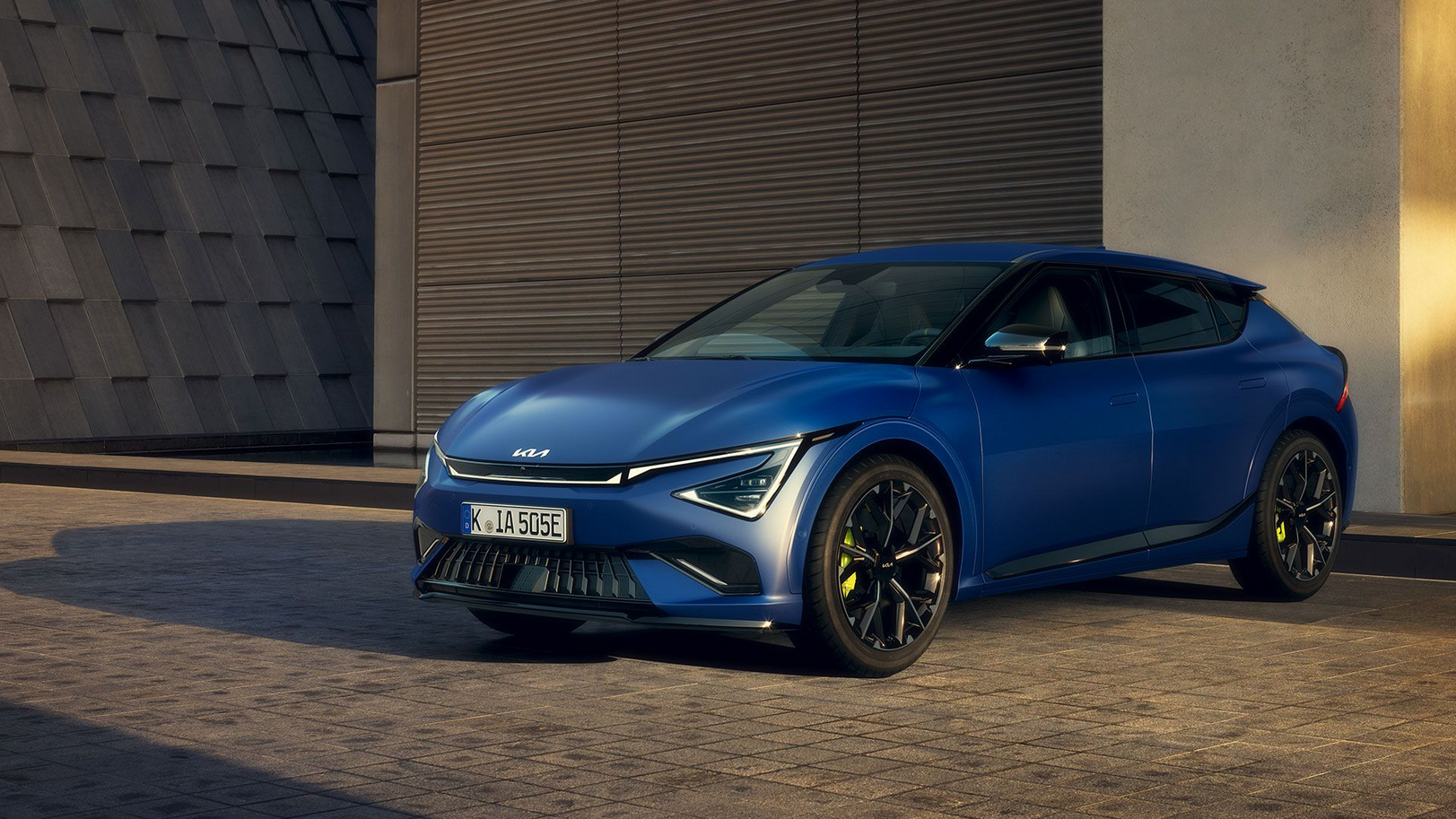
Every electric SUV lists a WLTP range figure, and every one of them falls short of that number in daily use. Cold weather, motorway speeds, and a fully loaded boot can cut range by 20-30%. A Kia EV6 with the 77.4kWh battery is quoted at up to 328 miles WLTP, but on a winter motorway run with four people and luggage, expect closer to 230-250 miles. Map your typical week: commute, school run, the odd motorway trip to see family. If you rarely exceed 150 miles between charges, even a smaller-battery model like the entry-level Volvo EX30 will comfortably cover your needs, and you'll save money on the purchase price too. When comparing EV SUV range figures across different models, use a route-planning tool like to check charger locations along your regular routes, not just the headline range number.
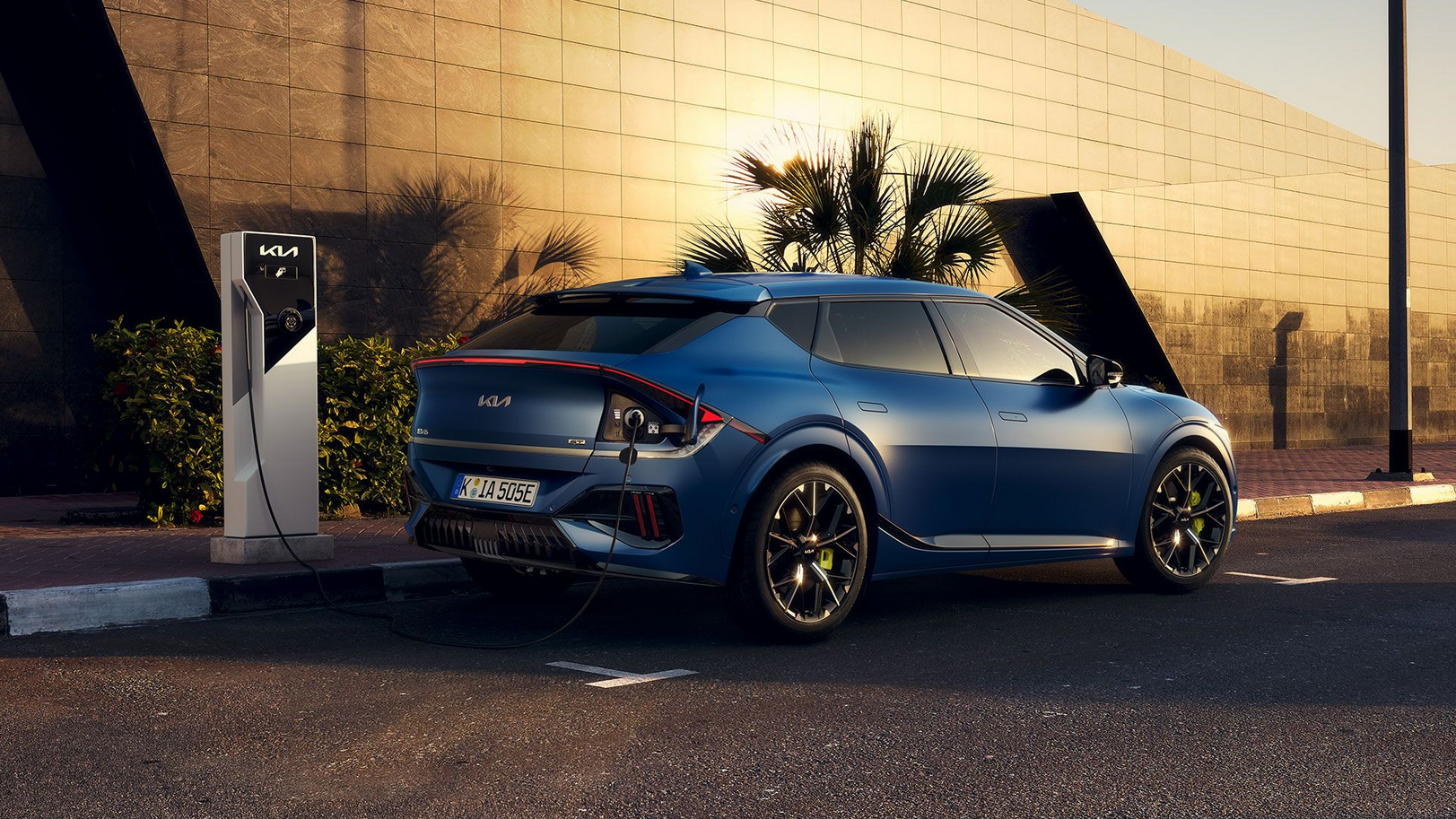
This is where the real running cost gap between EV buyers opens up. Charge overnight on a home wallbox with a dedicated EV tariff and you might pay 7-12p per kWh, so a full charge on a 77kWh battery costs roughly £6-£9. Rely on public rapid chargers and you're often paying 45-79p per kWh, meaning the same charge could cost £35-£60. If you have a driveway or garage, a 7kW home wallbox (typically £800-£1,200 fitted, though grants have narrowed) pays for itself within a year or two. Without off-street parking, you'll lean more heavily on the public network, so it pays to know where you stand. Check charger locations and live availability on the before you commit, and factor that into your EV charging costs from day one rather than after you've bought the car.
A mid-size petrol SUV doing 35mpg costs roughly 14-16p per mile in fuel alone at current pump prices. An electric SUV charged mostly at home on a cheap overnight tariff can cost as little as 3-4p per mile, though a mix of home and public charging pushes that closer to 8-10p per mile for many owners. Servicing tends to be cheaper too: no oil changes, fewer moving parts, and brake pads that last longer thanks to regenerative braking. If you want the detail on what an EV service actually involves, our guide on breaks down what's checked and roughly how much it costs. Road tax is a bigger factor than it used to be. Since April 2025, electric cars pay standard like petrol and diesel cars, and electric SUVs priced over £40,000 when new also face the additional rate surcharge for the first five years, so check where your chosen model sits before assuming it's exempt.
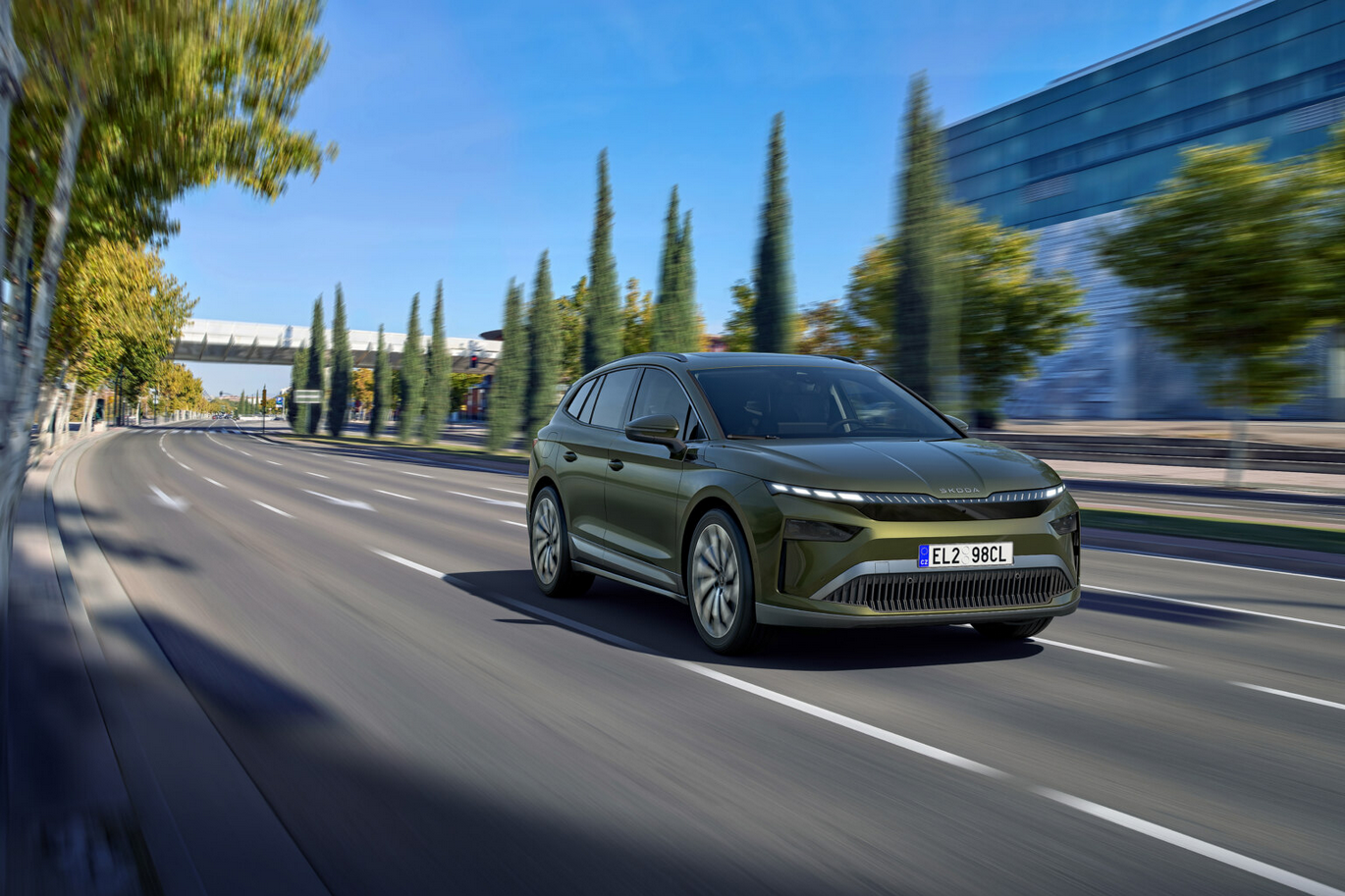
Electric SUVs often sit in higher insurance groups than their petrol equivalents, partly because battery packs and motors are expensive to repair. The Volvo EX30 sits in a relatively accessible group for a small SUV, while the Tesla Model Y and Kia EV6 GT trims creep higher due to their performance and repair costs. Get quotes before you buy, not after. Practicality matters too: boot space, rear headroom with a panoramic roof, and towing capacity if you need it. The Skoda Enyaq offers the biggest boot of the four and the most rear legroom, which matters if you're carrying passengers regularly rather than just occasionally. If you're buying used rather than new, it's also worth understanding what cover carries over: our guide to explains what's typically left on the battery and drivetrain, and what to check before you hand over a deposit.
Don't skip the charging audit
If you can't charge at home or work, run the public charging cost sums before you commit. An electric SUV that looks cheap to run on paper can end up costing similar to a petrol equivalent if you're paying rapid-charger rates every week.
Making the final call on your electric SUV
Once you've worked through range, charging, and running costs, the decision usually narrows itself down. If you can't charge at home, weight your decision more heavily towards efficiency and public rapid-charging speed, since you'll be paying public rates regularly. The EV6's 800V architecture and Tesla's Supercharger access both help here. Before you commit, check coverage in your area so you know exactly what public charging looks like day-to-day, not just on paper.
If you can charge at home, the running cost gap between all four of these SUVs and a petrol equivalent becomes even more compelling, since most of your energy costs shift onto the cheapest overnight rates available. Weigh that saving against the higher purchase price of an electric SUV over its petrol equivalent, and work out roughly how many years of driving it takes to break even. For most owners doing average UK mileage, that payback period lands somewhere between two and four years, depending on how much motorway driving and public charging you do.
Electric SUV running costs versus a petrol SUV: the actual maths
Running cost comparisons often get reduced to a single soundbite: "EVs are cheaper to run." That's usually true, but by how much depends entirely on where you charge.
Take a typical 12,000-mile year. A petrol SUV returning 35mpg at around £1.50 a litre works out to roughly £1,750 in fuel. An electric SUV charged 80% at home on a 7-12p/kWh overnight tariff and 20% on public rapid chargers might average out at £550-£750 a year in electricity, a saving of £1,000 or more. Flip that ratio, so most charging happens on public rapid chargers at 45-79p/kWh, and the saving narrows sharply, sometimes to within a few hundred pounds of the petrol figure.
Servicing costs tend to favour the electric SUV regardless of charging pattern. No oil, filters, spark plugs, or timing belts to replace, and brake components last longer thanks to regenerative braking doing much of the work. Depreciation is the wildcard. Battery health and warranty terms (most manufacturers now offer eight years or 100,000 miles on the battery) affect resale value more than most buyers expect, so check the and full service records on any used electric SUV before you buy, just as you would on a petrol car.
Insurance is worth a specific mention. Electric SUVs generally sit two to four insurance groups higher than an equivalent petrol model, driven by the cost of battery and motor repairs after even minor collisions. Get a genuine quote before you commit to a specific trim, particularly on higher-power variants like the EV6 GT or Model Y Performance, where insurance groups climb noticeably. For more on this, see our .
Four electric SUVs, four different priorities
How the Kia EV6, Volvo EX30, Skoda Enyaq, and Tesla Model Y stack up against the framework above

Best balance of range and rapid charging speed
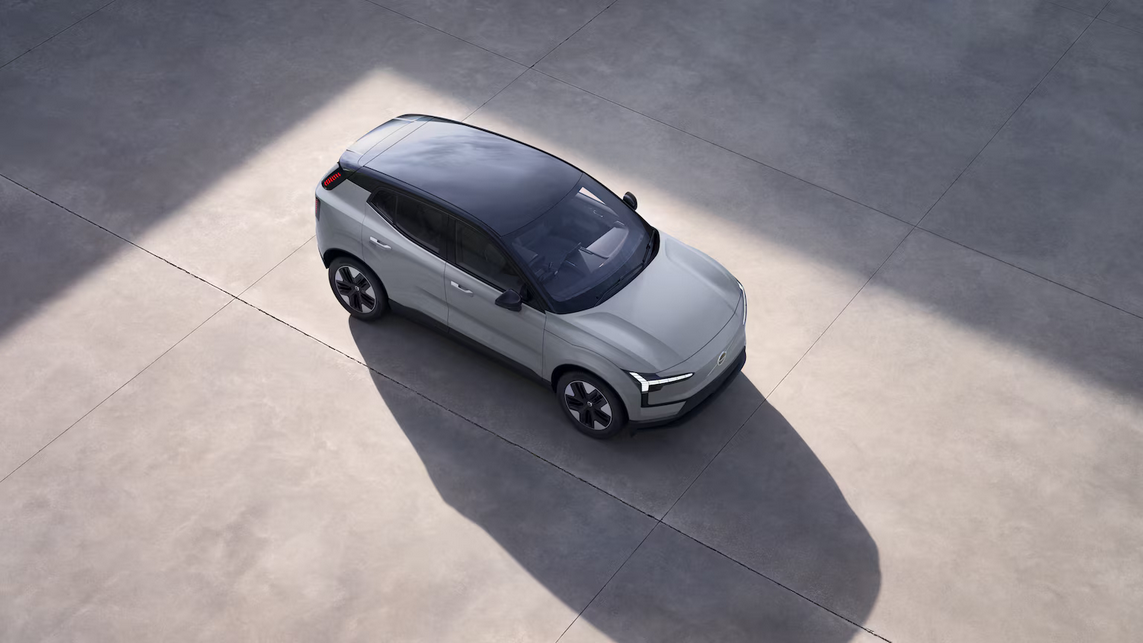
Smallest footprint, easiest to park and insure
Most practical for families, largest boot in this group
Longest range and widest charging network access
Making the final call on your electric SUV
Once you've worked through range, charging, and running costs, the decision usually narrows itself down. If you can't charge at home, weight your decision more heavily towards efficiency and public rapid-charging speed, since you'll be paying public rates regularly. The EV6's 800V architecture and Tesla's Supercharger access both help here.
If you can charge at home, the running cost gap between all four of these SUVs and a petrol equivalent becomes substantial, often over £1,000 a year, and the specific model matters less than getting a battery and warranty you trust. Always check a used electric SUV's battery health report and full charging history where available, in the same way you'd check a on a petrol model. And don't skip a proper test drive. Range and charging numbers are only half the decision; how the car feels on your daily roads is the other half. Our runs through more head-to-head detail if you're still deciding between two specific models.
Frequently asked questions
Expect 20-30% less than the quoted WLTP figure once you factor in motorway speeds, cold weather, and a loaded boot. A Kia EV6 quoted at 328 miles WLTP will typically manage 230-250 miles in real winter motorway driving. Always plan around the lower figure, not the headline number.
Home charging on an overnight EV tariff typically costs 7-12p per kWh, while public rapid chargers charge 45-79p per kWh. That's the difference between roughly £6-£9 and £35-£60 for a full charge on a typical electric SUV battery. If you don't have off-street parking, budget for public charging as your default cost.
Usually, yes. Electric SUVs often sit two to four insurance groups higher than an equivalent petrol model, largely because battery and motor repairs cost more after a collision. Get a genuine quote for your specific trim before committing, since higher-power variants like the Kia EV6 GT or Tesla Model Y Performance sit noticeably higher.
Since April 2025, electric cars pay standard road tax like petrol and diesel cars. Electric SUVs priced over £40,000 when new also face the additional rate surcharge for the first five years, so check where your chosen model sits before assuming it's exempt.
On paper, the Tesla Model Y Long Range leads with up to 387 miles WLTP, followed by the Skoda Enyaq's longer-range versions at up to around 337 miles, then the Kia EV6 at up to 328 miles, and the Volvo EX30 at up to 296 miles in Twin Motor form. Real-world range depends heavily on driving style and conditions, so treat these as ceilings rather than guarantees.