How to spot a clocked used car: mileage warning signs
DVLA mileage checks, wear mismatches, and dashboard tampering signs every buyer should know
A clocked used car can look like a bargain right up until you discover the odometer has been wound back by tens of thousands of miles. Buying a clocked used car isn't just bad luck, it's buying a vehicle whose service intervals, timing belt changes, and wear parts have all been scheduled around a false mileage figure. The DVLA's MOT mileage history and a careful physical inspection are your two best defences against odometer fraud, and both are free to use before you hand over a deposit. This guide walks you through every check that matters, and pairs well with our broader rundown of if you want the full pre-purchase picture.
How common is mileage fraud in the UK market
Mileage fraud isn't a fringe problem. Trading Standards and vehicle history check providers have flagged discrepancies on a meaningful share of the used cars they check each year, though exact national figures vary by source and nobody publishes a definitive total. What's certain is that odometer fraud uk-wide has got easier to commit and harder to spot as more cars use digital instrument clusters rather than mechanical drums.
A winding back of 30,000 to 50,000 miles can make a car look several years younger than it really is, hiding wear that would otherwise show up in the asking price. The free is the first place to look, and our guide on explains exactly what to look for beyond the headline mileage figure.
Step-by-step: how to spot a clocked used car
None of these checks take more than a few minutes, and most cost nothing. Work through them in order, before you get emotionally attached to a particular car.
Six checks that reveal a clocked used car
Work through these before you view, and again while you're stood next to the car

Every MOT test since 2005 records the mileage at the time. Enter the registration into the and you'll see every recorded mileage, test date, and any advisories. Look for a mileage that drops between tests, or one that barely moves over a year of use when the seller claims regular motoring. A car doing 3,000 miles a year for three years then suddenly showing 15,000 in the next test is a pattern worth questioning, not necessarily proof of fraud, but a reason to ask harder questions.
The free MOT mileage history only goes back to each car's first MOT test, so it won't help with a car under three years old, and it won't flag a mileage discrepancy recorded outside an MOT (for example at a service). A paid check from a reputable provider pulls in finance records, write-off status, and mileage readings logged by dealers and finance companies. Run this alongside, not instead of, the DVLA data.
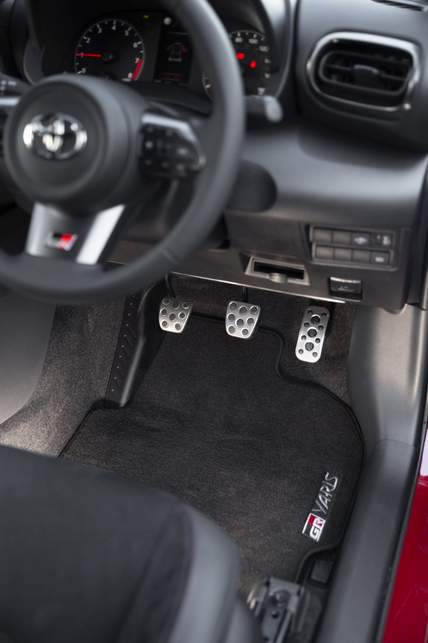
A genuine 30,000-mile car should have a driver's seat bolster with barely any shine, crisp pedal rubbers, and a steering wheel that hasn't gone glossy where the thumbs sit. If the seller says low mileage but the pedal rubbers are worn through to the metal studs, the steering wheel is polished smooth, or the gear knob has visible wear, the mileage claim doesn't add up. Carpet wear by the driver's footwell and a sagging tailgate strut are other honest tells that don't lie the way a digital display can.
A genuine service history includes invoices with the mileage recorded at each visit, not just a stamped book with a signature. Call the garage named on the invoice if you have any doubt. Gaps in the service record gaps, especially around when the car changed hands, are one of the most reliable signs of tampering because a clocked car's paperwork often can't keep pace with its fabricated mileage. If a seller can't produce invoices or the garage has no record of the visits claimed, walk away or insist on an independent inspection.
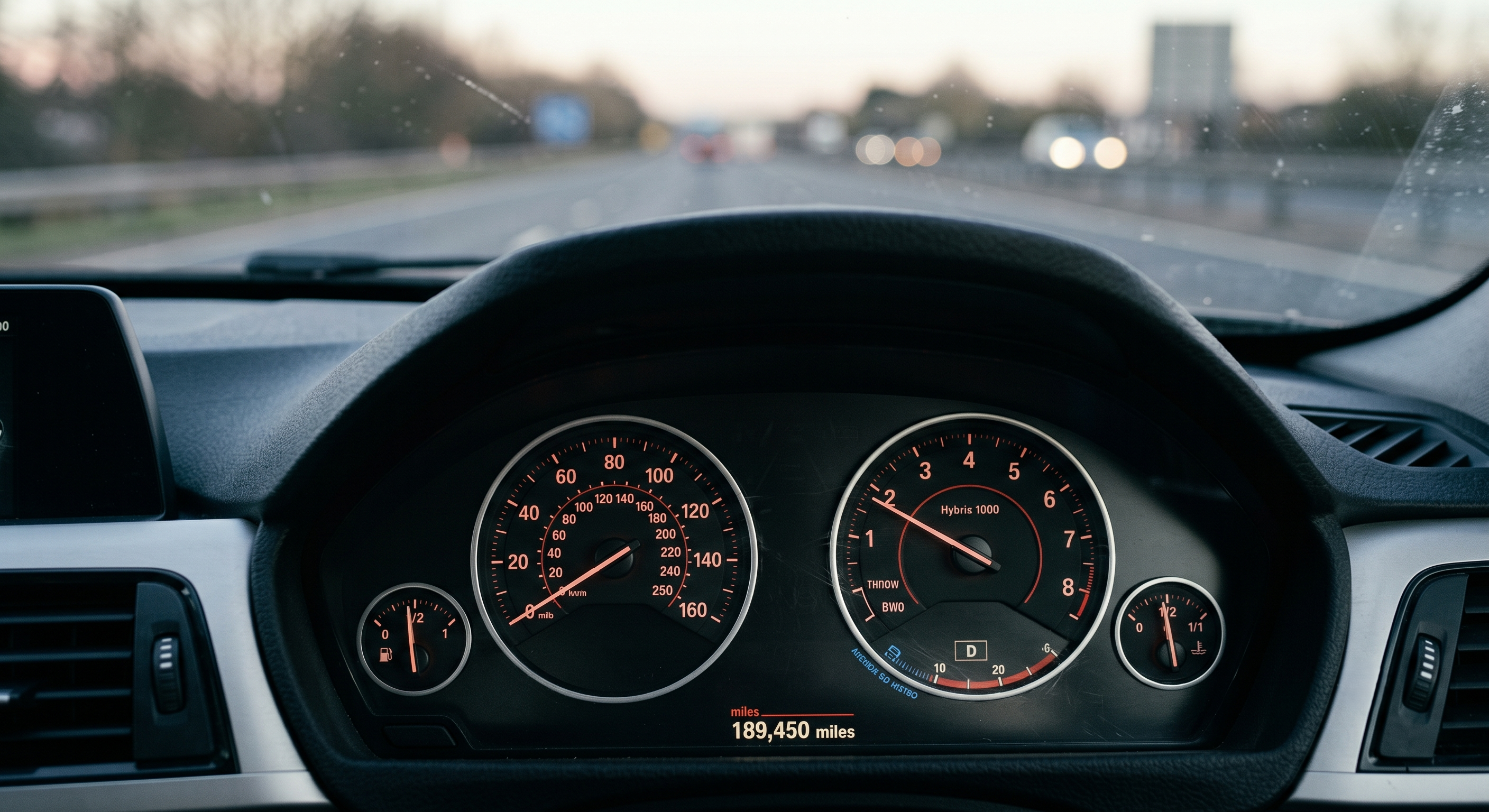
Mechanical odometers are rarer now, but where they exist check for misaligned digits, a wobbly display, or scratches around the instrument cluster surround suggesting it's been removed. On digital dashboards, tampering usually happens through the OBD port using a mileage correction tool, so there's often no physical evidence at all. Instead, look at software inconsistencies: a trip computer or service reminder counting down from a figure that doesn't match the claimed mileage, or a satnav history showing journeys inconsistent with a low-mileage life.
An independent inspection by an AA, RAC, or local specialist inspector will flag wear-to-mileage mismatches that you might miss, particularly on the timing belt, brakes, and suspension bushes. This typically costs £150-£200 but can save you from a five-figure mistake. Use our as a starting point, then book a professional inspection for anything you're seriously considering.
Red flag combination
One odd reading on its own isn't proof of anything. But a car with a falling mileage on its MOT mileage history, worn pedals that don't match a low claimed mileage, and gaps in the service record together should stop you buying until you've had answers in writing from the seller.
What to do if you suspect a clocked used car
If you've already bought a car and later discover it's been clocked, you have legal recourse. Selling a car with a fraudulent mileage reading is a criminal offence under the Fraud Act 2006 and a breach of the Consumer Rights Act 2015 if bought from a trader. Report it to Trading Standards via the Citizens Advice consumer helpline, and if you paid by credit card for any part of the price, Section 75 of the Consumer Credit Act may give you a route to a refund from your card provider.
You can , which will point you towards Trading Standards and flag the vehicle's record for future buyers. If you're still deciding whether to walk away from a car with a shaky history, our guide on covers the wider red flags worth knowing about.
Where mileage fraud is most common
Odometer fraud uk-wide tends to cluster around cars in the 60,000 to 100,000-mile bracket, the point where genuine high-mileage examples become noticeably harder to sell and the incentive to wind the clock back is greatest. Ex-fleet cars, ex-lease vehicles, and imports are all worth extra scrutiny, since ownership changes create opportunities to alter records between keepers. If you're looking at a specific model, our breaks down what typical wear should look like at each mileage band.
Imported cars deserve particular caution. A car brought in from Northern Ireland, the Republic of Ireland, or mainland Europe won't have a continuous DVLA MOT mileage history from new, since UK testing only starts once the car is registered here. That gap makes it harder to cross-check the odometer against an independent record, and it's exactly the kind of gap a dishonest seller can exploit. Ask for the car's original registration documents and any overseas service history, and treat a private import with no paperwork before its UK registration date as a higher-risk purchase until you've seen evidence to the contrary.
Regional patterns matter too. Areas with higher motorway mileage, such as commuter belts around major cities, see more genuine high-mileage cars change hands, which paradoxically makes clocking harder to spot because a 90,000-mile motorway car and a clocked 60,000-mile version of the same model can wear almost identically. A full service history with dated invoices remains the most reliable way to settle the question either way.
Quick tip before you view
Screenshot the seller's advertised mileage before you visit. Sellers occasionally adjust the figure in the listing after a buyer starts asking pointed questions, and having the original claim in writing strengthens your position if things turn out to be inaccurate.
Frequently asked questions
Yes. The DVLA's MOT history checker on GOV.UK is free and shows every recorded mileage back to the car's first MOT test, along with test dates and advisories. It won't cover cars under three years old, since those don't yet have an MOT history.
Winding back 30,000 to 50,000 miles can add anywhere from a few hundred pounds to several thousand, depending on the model and how steep its depreciation curve is at that mileage point. High-value cars with strong mileage-sensitive residuals tend to see the biggest distortion.
Yes. An MOT tests roadworthiness, not mileage accuracy. A tester will record whatever mileage the odometer shows and note it as an advisory only if it looks obviously implausible next to the previous test, but there's no dedicated mileage verification step.
They're the same thing described two ways. Clocking is the common term for physically or digitally altering an odometer reading; odometer fraud uk law treats it as a criminal offence under the Fraud Act 2006 when done to deceive a buyer.
No. If the seller can't produce invoices, garage confirmation, or a credible explanation for a mileage discrepancy, walk away. There are enough honestly described used cars on the market that you don't need to take on that risk.