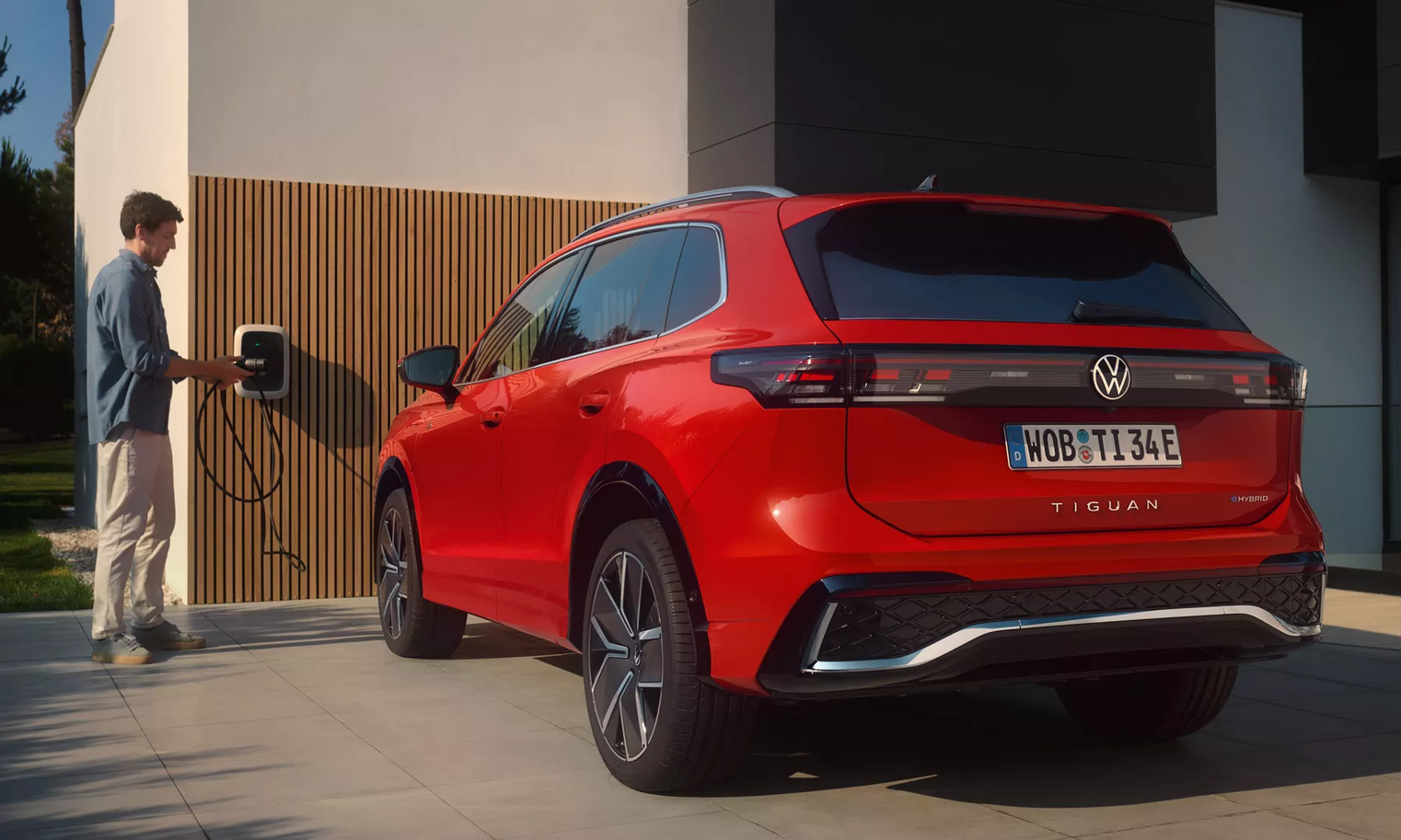
PHEV Running Costs Explained: What You'll Actually Pay in the UK
Key takeaways
Charging behaviour is everything
A PHEV charged daily at home can cost as little as 3–4p per electric mile. The same car on petrol only can return worse economy than a non-hybrid equivalent, due to the extra weight of the battery.
Real-world electric range is shorter than the official figure
Manufacturer-quoted EV ranges of 30–40 miles typically translate to 25–35 miles in real-world use, depending on speed, temperature, and driving style. Plan your charging around realistic numbers.
Road tax and BIK have changed for 2025–26
PHEVs registered on or after 1 April 2025 are now subject to the flat-rate VED supplement (the 'luxury car tax') if listed above £40,000. Company car drivers still benefit from lower Benefit-in-Kind rates versus a straight petrol equivalent.
The rarely-charges scenario is a genuine trap
Drivers who buy a PHEV for the lower BiK or road tax but never charge it often end up spending significantly more on fuel than they would in a comparable petrol car. Know your habits before you buy.
PHEV running costs UK: the three charging scenarios
This is where PHEVs genuinely shine. You charge overnight, your commute is covered mostly on electricity, and you only burn petrol on longer runs or when the battery runs out.
Assumptions: 30-mile daily commute, home tariff of 24p/kWh, petrol at £1.45/litre.
Ford Kuga PHEV: Charging a 14.4 kWh battery at 24p/kWh costs approximately £3.46 per full charge. That covers around 28–30 real-world electric miles — roughly 11–12p per mile on electricity. Compare that to the Kuga's petrol-only economy of around 35–38mpg, which at £1.45/litre works out to approximately 18–19p per mile. On a 30-mile daily commute, you're saving roughly £2.00–£2.50 per day. Over a working year (230 days), that's around £460–£575 in fuel savings alone.
Toyota RAV4 PHEV: Slightly better real-world electric range of 38–42 miles means the average 30-mile commute is covered entirely on electric power with charge to spare. Same charge cost of ~£3.46 per full charge. Economy on the petrol engine alone sits around 38–40mpg (approximately 18p/mile). Annual commute saving versus petrol: roughly £400–£500.
BMW 330e: More efficient petrol engine (up to 42mpg on a light run) but the electric range is similar to the Kuga at around 28–30 miles. The smaller battery charges faster. Charge cost: approximately £2.88 per full charge. Daily saving on a 30-mile commute: around £1.80–£2.20. Annual saving: roughly £415–£506.
The verdict: charge every night and a used PHEV can save you £400–£600 per year in fuel versus a petrol equivalent, before you factor in any BiK benefits for company car users.
You charge three or four times a week — maybe at home on evenings when you remember, or at a workplace charger when it's free. Your commute is partially covered by electricity, but longer journeys eat into the battery regularly.
Assumptions: Charging 4 times per week, 35 miles/day average, mix of electric and petrol use.
With four full charges per week, you're putting roughly 110–120 electric miles into the car each week. If you're covering 245 miles per week (35 miles × 7 days), you're running on electricity for roughly 45–50% of the time.
Ford Kuga PHEV: Electricity cost per week (4 × £3.46) = £13.84. Petrol cost for remaining ~130 miles at 18p/mile = £23.40. Total weekly fuel cost: approximately £37.24. A comparable petrol-only SUV (say, a Ford Kuga 1.5 EcoBoost covering 245 miles at 35mpg) would cost around £46.50/week. Weekly saving: roughly £9. Annual saving: approximately £468.
Toyota RAV4 PHEV: Similar picture — the longer EV range means slightly better coverage on the same four charges. Weekly electricity cost: £13.84. Petrol for remaining ~105 miles: ~£18.90. Total: ~£32.74/week. Comparable petrol SUV weekly cost: ~£46.50. Annual saving: around £718.
BMW 330e: Efficient petrol engine works harder here. Weekly electricity: £11.52 (4 × £2.88). Petrol for remaining ~130 miles at 15p/mile (42mpg): ~£19.50. Total: ~£31.02/week. Comparable petrol saloon (e.g. 320i) at 40mpg covering 245 miles: ~£43.50/week. Annual saving: roughly £650.
The verdict: occasional charging still produces meaningful savings, particularly on the RAV4 and 330e. The key is making the charging habit stick. Four charges a week is the rough break-even threshold where PHEVs start pulling clear of petrol alternatives.
You bought the PHEV for the lower BiK rate, the road tax rebate, or simply because it was the best-spec example at your budget. But you rarely charge. Maybe you live in a flat. Maybe you just forget.
This is where the numbers turn against you.
A PHEV running on petrol power with a depleted battery carries 150–200kg more weight than a comparable petrol car, due to the battery pack and dual powertrain hardware. That weight costs you fuel economy. Instead of the official 35–45mpg a petrol equivalent might return, you're often looking at 28–34mpg — and sometimes worse on motorway driving where there's no regenerative braking to partially replenish the battery.
Ford Kuga PHEV without charging: Real-world economy of around 30–33mpg. At £1.45/litre and 245 miles/week, fuel cost is approximately £55–£60/week. A petrol Kuga EcoBoost covering the same distance at 36mpg costs around £48/week. You're now spending £7–£12 more per week, or £364–£624 more per year.
Toyota RAV4 PHEV without charging: The RAV4 PHEV's self-charging system is more sophisticated than many rivals, meaning it partially recuperates energy even without external charging. Real-world uncharged economy sits around 34–38mpg, closer to a conventional full hybrid. Still worse than a regular non-PHEV RAV4 Hybrid, though. Roughly cost-neutral versus a petrol equivalent rather than actively expensive.
BMW 330e without charging: This is the most punishing scenario. The 330e's petrol engine is tuned to work with electrical assistance. Without it, real-world economy can drop to 28–32mpg. At that rate, you'll spend around £55–£62/week for 245 miles. A 320i at 40mpg costs roughly £43/week. The gap is £600–£990 per year in extra fuel costs.
The verdict: if you know you won't charge consistently, a PHEV is likely to cost you more to run than a petrol equivalent, not less. A full hybrid — which charges itself — is a much better fit for that lifestyle.
Side by side
- reliabilityGood overall; check for early software gremlins on pre-2021 cars
- fuel_economy30–38mpg (petrol mode)
- electric_range28–30 miles (real-world)
- insurance_group22–26
- ✓Strong real-world electric range for a large SUV
- ✓Comfortable, practical family car with a big boot
- ✓Good used value — often cheaper than RAV4 PHEV equivalents
- −2.5kW on-board charger is the slowest of the three — full charge takes ~4 hours
- −Petrol economy without charging is less impressive than full hybrids
- −Some early software and touchscreen issues on Mk3 models
- reliabilityExcellent — Toyota's hybrid system is proven and robust
- fuel_economy34–40mpg (petrol/hybrid mode)
- electric_range38–42 miles (real-world)
- insurance_group28–32
- ✓Longest real-world EV range of the three
- ✓Self-charging hybrid system means even uncharged running is reasonable
- ✓Outstanding long-term reliability record
- −Commands a significant price premium over petrol SUV equivalents
- −Interior quality feels dated compared to BMW or even Kuga
- −Higher insurance group than the Kuga
- reliabilityGenerally good; check for high-voltage charging system faults
- fuel_economy28–42mpg (varies heavily by charging)
- electric_range28–31 miles (real-world)
- insurance_group36–40
- ✓Lowest BiK rate in its class makes it a company car favourite
- ✓Genuinely enjoyable to drive — the PHEV system adds instant torque
- ✓Faster on-board charger (3.7kW) means quicker top-ups
- −Fuel economy without charging is notably poor for a mid-size saloon
- −Higher insurance groups than non-performance alternatives
- −Boot space reduced by battery placement compared to standard 3 Series
Check the charge port before you buy
On any used PHEV, inspect the charge port carefully and ask for evidence of regular charging. Corroded or damaged charge ports, or a complete absence of a home charging cable in the boot, are both signs that the car has rarely been plugged in. A depleted or degraded battery pack can significantly reduce EV range — and your potential savings. If possible, request a dealer-run battery health check before committing.
Frequently asked questions
On a standard domestic tariff of around 24p/kWh, a full charge for a typical 14–15 kWh PHEV battery costs approximately £3.30–£3.60. On an Economy 7 or off-peak overnight tariff (around 10–15p/kWh), you can reduce that to £1.50–£2.25 per full charge. A 7kW home wallbox doesn't change the cost per kWh — it just charges faster than a standard three-pin socket.
They can be, but only if you charge consistently. A PHEV charged daily at home can save £400–£700 per year versus a comparable petrol car. A PHEV that is never charged can cost £400–£1,000 per year more due to the extra weight of the battery impacting fuel economy. Your charging behaviour is the single biggest factor.
Expect roughly 20–30% less than the official WLTP figure. A car rated at 40 miles will typically deliver 28–34 miles in real-world driving. Cold weather, motorway speeds, and using climate control all reduce the range further. In winter, you may see real-world range drop by a further 15–25% compared to summer.
Not significantly. Most PHEV servicing follows the same schedule as a standard petrol car. Brake discs and pads often last longer thanks to regenerative braking. High-voltage battery checks are occasional rather than routine at most service intervals. The main extra cost to watch for is the 12V auxiliary battery, which tends to wear sooner than in a conventional car.
Probably not, unless your employer offers free workplace charging or you park near public chargers that you'd genuinely use daily. Without regular charging, most PHEVs are less efficient than a good petrol equivalent. A full self-charging hybrid — like the Toyota RAV4 Hybrid (non-PHEV) or Hyundai Tucson Hybrid — is a much better choice in that situation.