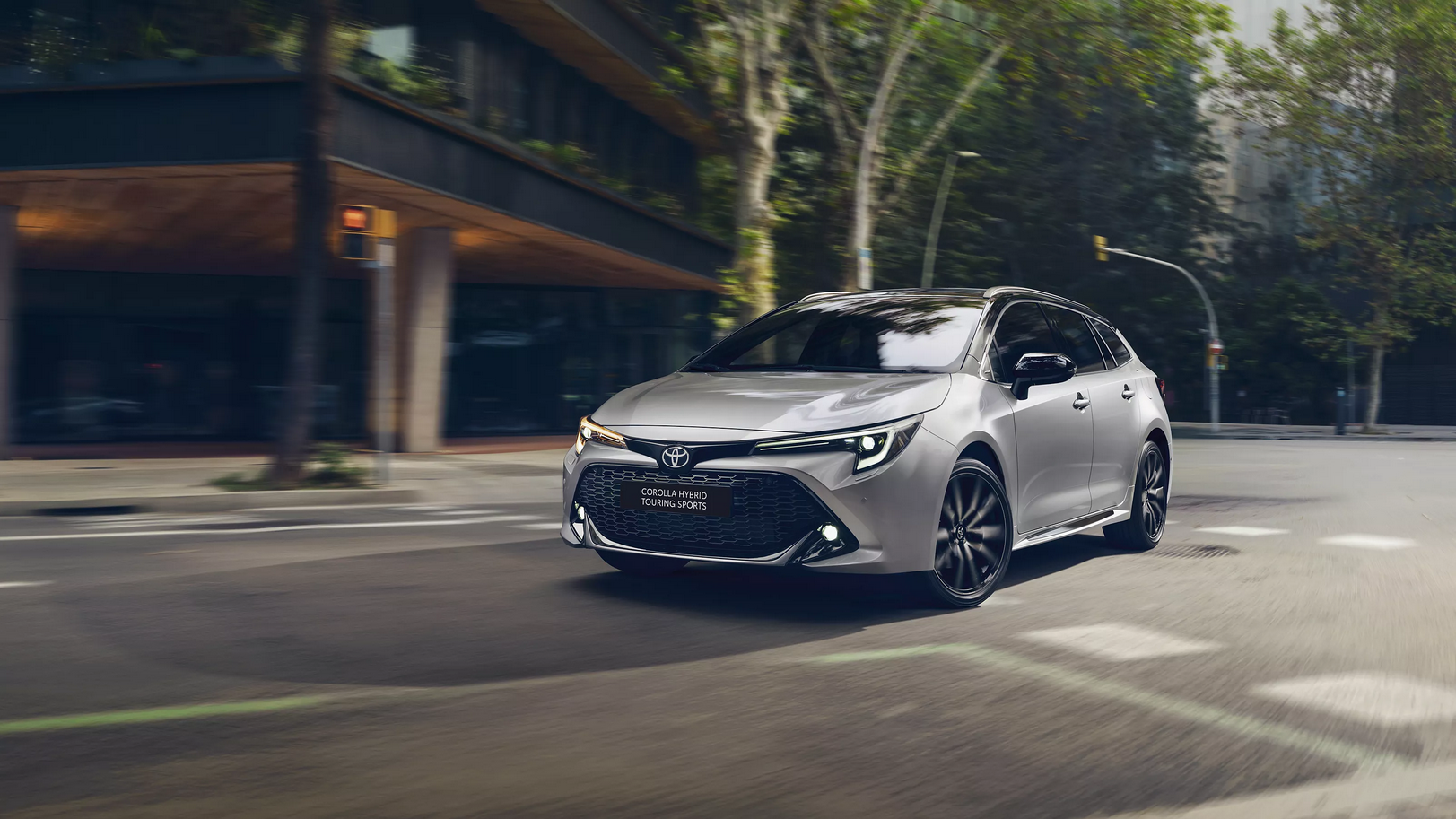
How Many Miles Is Too Many? Used Car Reliability by Mileage
A realistic guide to mileage bands by fuel type, because there's no single cutoff that applies to every used car.
"How many miles is too many?" is one of the most common questions used car buyers ask, and it's also one of the most badly answered. The honest response is that used car mileage reliability depends far more on fuel type, maintenance and how those miles were driven than on the number itself. A diesel estate with 110,000 motorway miles can be a better buy than a petrol city runabout with 60,000 stop-start miles.
The average UK driver covers somewhere between 7,000 and 9,000 miles a year, according to Department for Transport data, so a ten-year-old car showing 70,000-90,000 miles is simply an averagely-used example rather than a warning sign. What changes the calculation is drivetrain. Petrol, diesel and hybrid powertrains age differently, wear differently, and hit their expensive failure points at very different mileage markers.
This guide breaks down what "high mileage" actually means for each fuel type, so you can judge a listing on its merits rather than being scared off by a number on its own.
Side by side
- clutch_wearClutch and dual-mass flywheel wear from 80,000-100,000 miles
- typical_ceilingComfortable to 100,000 miles with basic maintenance
- known_wear_pointTiming chains can stretch from 90,000+ miles on some engines
- belt_interval—
- brake_wear—
- battery_life—
- degradation_pattern—
- ✓Cheaper parts than diesel
- ✓Fewer emissions-system failure points
- ✓Turbo units can last well if serviced on schedule
- −Timing chain issues on some engine families past 100,000 miles
- −Carbon build-up on direct-injection engines over time
- clutch_wear—
- typical_ceilingEngines can comfortably exceed 150,000 miles if serviced correctly
- known_wear_pointDPF and EGR issues cluster around 80,000-120,000 miles, especially with short journeys
- belt_intervalTiming belts need replacement on strict intervals, often 100,000-125,000 miles
- brake_wear—
- battery_life—
- degradation_pattern—
- ✓Long engine life with motorway-biased use
- ✓Strong torque and efficiency hold up well over distance
- −DPF blocking is common if mostly used for short trips
- −Repair bills for EGR/DPF/injector faults can be significant
- clutch_wear—
- typical_ceiling—
- known_wear_point—
- belt_interval—
- brake_wearRegenerative braking reduces brake wear versus conventional cars
- battery_lifeToyota/Lexus hybrid batteries commonly outlast 150,000-200,000 miles
- degradation_patternBattery degradation is gradual, not a sudden cliff-edge failure
- ✓Very strong reliability record on Toyota/Honda hybrid systems
- ✓Reduced wear on brakes and clutch (no clutch on most hybrids)
- −Battery replacement, though rare, is costly if it does happen
- −Non-Toyota/Honda hybrid systems have a shorter track record
Petrol: comfortable to 100,000 miles, with caveats
A well-serviced petrol engine will comfortably reach 100,000 miles and often push well beyond it. Where petrol cars start showing their age is around the ancillary components rather than the engine block itself: clutches, dual-mass flywheels and timing chains. Some engine families are known for timing chain stretch from around 90,000 miles, which produces a rattle on cold start that gets steadily worse and expensive to ignore.
If you're looking at a petrol car past 100,000 miles, ask specifically whether the timing chain (not belt) has ever needed attention, and listen for a rattle on first start of the day during your test drive.
Diesel: built for distance, vulnerable to short trips
Diesel engines are, mechanically, built for high mileage. It's not unusual for a diesel block to run past 150,000 miles without major issue, provided it's been driven the way diesels are designed to be driven: regularly, and mostly on longer journeys that let the engine get properly hot.
The catch is the emissions system. A diesel particulate filter (DPF) needs a sustained high-speed run periodically to burn off soot, and if a car has spent its life doing school runs and short urban hops, the DPF can block prematurely, sometimes well before 100,000 miles. Ask about the car's typical use pattern, not just its mileage, and read our for the specific exhaust and emissions wording that signals a DPF problem brewing.
A quick sense check before you view
Before viewing any high-mileage car, pull its MOT history and look specifically for repeated advisories about exhaust smoke, emissions, or exhaust system corrosion. These are the clearest early indicators of expensive powertrain problems ahead.
Hybrid: the mileage number matters least here
Hybrid drivetrains, particularly Toyota and Lexus systems using nickel-metal hydride batteries, have built up an unusually strong reliability record. Battery packs on these systems are commonly still performing well past 150,000 miles, and Toyota's own hybrid battery warranty terms reflect that confidence. Regenerative braking also means brake pads and discs last noticeably longer than on a conventional petrol or diesel car, since the electric motor does much of the slowing down.
Our goes into specific detail on what genuinely fails, and when, on one of the most common hybrids on UK roads. If you're cross-shopping fuel types more broadly, our is worth reading alongside this guide.
What actually matters more than the odometer
A full, verifiable service history matters more than the number on the dash. A car with 130,000 miles and a complete stamped history, timing belt changed on schedule, will usually outlast a car with 70,000 miles and gaps in its records. Consistent use matters too: an engine driven regularly and allowed to reach full operating temperature ages better than one used for short, cold starts, regardless of the total mileage covered.
When you're assessing a specific listing, don't stop at the mileage figure. Cross-reference it against the , check whether the service intervals line up with the car's age, and weigh the fuel type against how you'll actually use the car day to day.
Frequently asked questions
No single number applies across the board. For petrol, treat 100,000-120,000 miles as the point to check more carefully. For diesel, mechanical life often extends past 150,000 miles, though emissions systems need scrutiny from around 80,000-100,000 miles if the car's been used for short trips. Hybrids can comfortably exceed 150,000 miles with minimal drivetrain concern.
Not by itself. Full service history, verified timing belt/chain replacement, and how the car has been used (motorway vs short urban trips) all matter more than the raw mileage figure.
Toyota and Lexus hybrid batteries have a strong track record of lasting well beyond 150,000 miles, with gradual rather than sudden degradation. Battery replacement, while rare, is the main cost risk if it does eventually happen.
According to Department for Transport data, the average UK driver covers around 7,000 to 9,000 miles per year, meaning a 10-year-old car with 70,000-90,000 miles has simply seen typical use.
Diesel particulate filters need sustained high-speed running to clear themselves properly. Cars used mainly for short urban trips can develop DPF blockages well before 100,000 miles, leading to costly repairs.