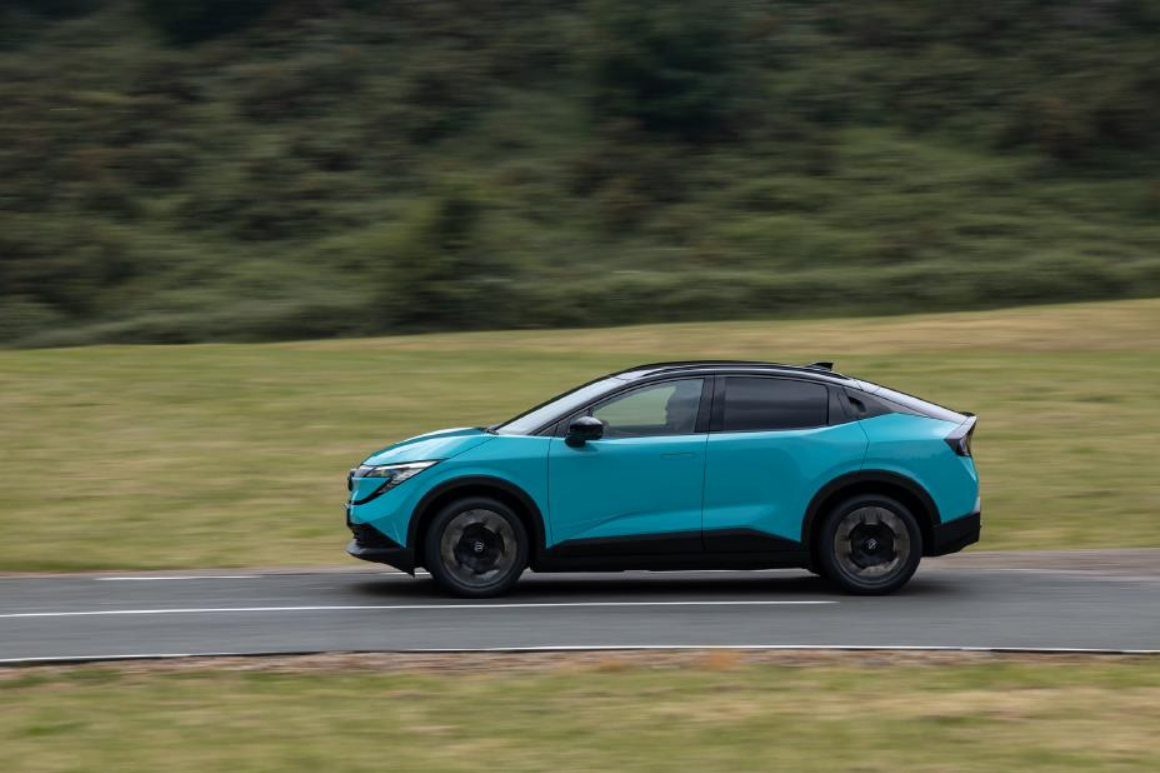
Is it worth switching to an electric car on a tight budget?
Search for cheap electric cars UK-wide and you'll find plenty of options under £10,000, but the real question isn't whether you can afford one. It's whether it actually makes sense for your situation. If you're running an ageing petrol car with a repair bill looming, swapping to a budget EV like a Nissan Leaf, Renault Zoe or Vauxhall Corsa-e can genuinely work out cheaper over three or four years. But the calculation depends heavily on things a dealer forecourt won't tell you: where you charge, how far you drive, and how much battery degradation the specific car has already suffered.
This isn't a blanket yes or no. It's a framework for working out whether it's the right move for you.
What "budget electric car" actually means in 2026
At the sub-£10,000 end of the market, you're mostly looking at early Nissan Leafs (2013-2017), first-generation Renault Zoes, and occasionally a higher-mileage Vauxhall Corsa-e or Volkswagen e-up! if you stretch to £9,000-£10,000. These aren't cars with the range or charging speed of a newer EV. A 2015 Leaf with the 24kWh battery might only manage 70-90 real-world miles on a full charge today, well down on its original claimed range, because lithium-ion batteries degrade with age and use.
That's not automatically a dealbreaker. If your daily driving is a 15-mile commute and the school run, 80 miles of usable range is still plenty, with margin to spare. If you regularly drive to see family 60 miles away, it gets tight fast, especially in cold weather when range can drop by 20-30%.
The five questions to answer before you switch
Work through these in order — each one can rule an EV in or out before you spend any money
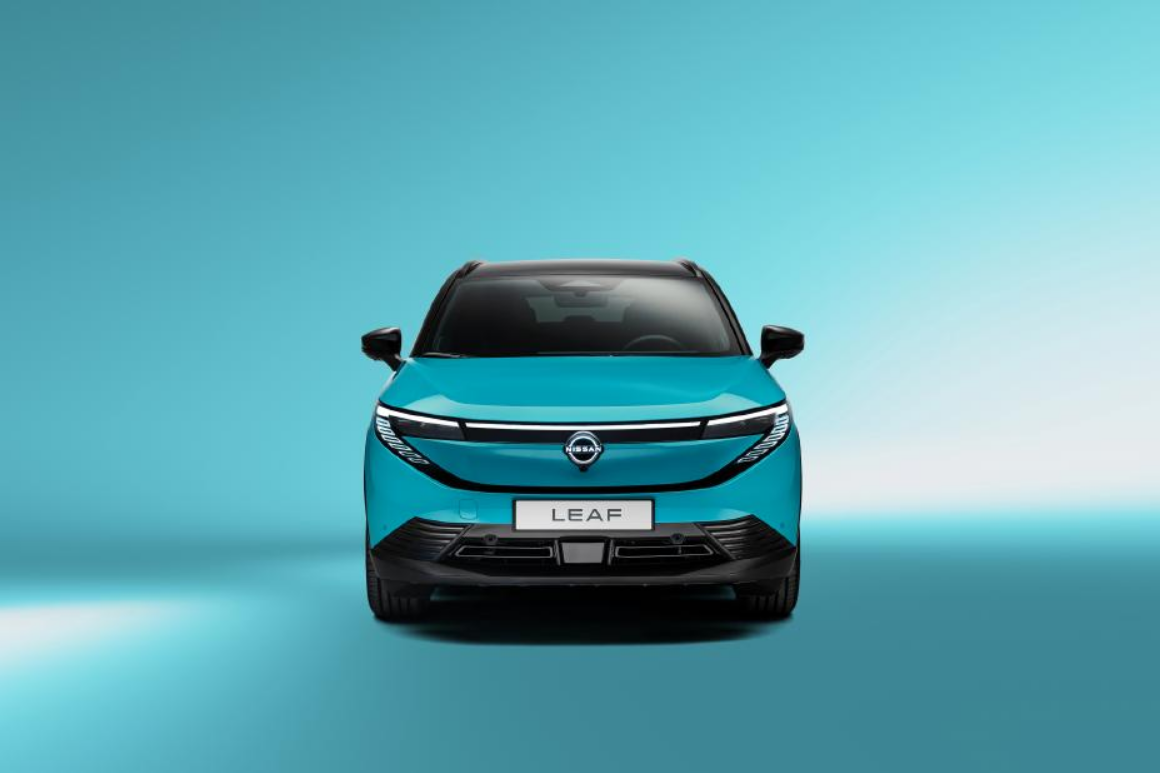
This is the single biggest factor. If you have a driveway or can get a home charger installed, overnight charging on a cheap electricity tariff can cost as little as 3-4p per mile. Without home charging, you're relying on public chargers that often cost 3-4 times more per mile, which erodes much of the running cost saving that makes budget EVs appealing in the first place.
Ask for a battery health report, ideally from a Leaf Spy check on Nissan models or an equivalent diagnostic reading. A 2015 Leaf with 8 remaining battery bars out of 12 has noticeably less range than one with 10 or 11 bars, even at identical mileage. Never buy a budget EV without seeing this data first.
Be honest about your real weekly mileage, not your best-case scenario. If you're consistently under 100 miles a week, even a tired budget EV with reduced range will comfortably cover your needs on a single charge or two top-ups.
Add up the next 12 months of likely costs on your existing petrol car: MOT repairs, tyres, a clutch or timing belt if due, plus fuel at current prices for your mileage. Compare that honestly against the EV's purchase price plus your realistic charging costs. Sometimes the old car wins.
Budget EVs depreciate differently to petrol cars. Early Leafs have largely bottomed out in value already, which can work in your favour, but battery degradation continues, so the car you buy today will have less range in three years than it does now.
The three budget EVs worth considering
The Nissan Leaf is the obvious starting point simply because there are so many on the used market, which keeps prices competitive and parts easy to find. Early 24kWh cars are cheapest but have the weakest range; later 30kWh cars (2016 onwards) are a meaningful step up and worth the extra £1,000-£2,000 if you can stretch to one.
The Renault Zoe often has better real-world range than an equivalent-age Leaf thanks to a more modern battery chemistry, but watch for cars where the battery was leased rather than owned outright. Older Zoe adverts sometimes still carry a monthly battery lease fee on top of the purchase price, which changes the whole cost calculation. Always check this before you view the car.
The Vauxhall Corsa-e sits at the newer end of the budget bracket, so you'll need closer to £10,000-£13,000, but you get a genuinely modern EV with around 200 miles of real-world range when new. Degradation is less of a concern given its age.
 1 / 2
1 / 2Battery health matters more than mileage
A low-mileage budget EV isn't automatically the better buy. Battery degradation is driven more by age, heat exposure and charging habits (frequent rapid charging accelerates wear) than by distance covered. Always prioritise a verified battery health check over a low odometer reading.
Running cost savings: what to actually expect
Charge at home overnight on a dedicated EV tariff and you can realistically expect running costs of 3-5p per mile, against 12-16p per mile for an equivalent petrol supermini at current fuel prices. Over 8,000 miles a year, that's a saving of roughly £700-£1,000 annually on fuel alone, before you factor in lower servicing costs since EVs have fewer moving parts to maintain and no clutch, timing belt or exhaust system to worry about.
Our guide on breaks down the full comparison in more depth, including insurance and depreciation differences. If you're still deciding whether a used EV makes sense at all, our broader piece on covers the wider market beyond just the budget end.
If you can't charge at home
Not having a driveway doesn't automatically rule out an EV, but it changes the maths significantly. Look into whether your local council has installed on-street or lamp-post chargers, and check apps like Zap-Map to see real charger density in your postcode before you buy. If you're mostly reliant on public rapid chargers at motorway services or supermarkets, run the numbers honestly. At 25-35p per kWh for public charging, some of the fuel saving disappears, though EVs still tend to work out cheaper overall thanks to lower servicing costs and no road tax on models registered before April 2025's rule change.
For an independent view on public charging costs and network reliability, the charge point directory is a useful reality check before you commit to a purchase based on assumptions about what's near you.
Frequently asked questions
The core drivetrain in EVs like the Leaf and Zoe has proven reliable over a decade of use, since electric motors have far fewer moving parts than a petrol engine. The main wear item to worry about is battery degradation, which is why a verified battery health check matters more than a standard vehicle inspection.
On a dedicated EV electricity tariff, expect to pay roughly £3-£5 to fully charge a small EV like a Leaf or Zoe, translating to running costs of around 3-5p per mile.
It depends on the specific car's battery health. A well-maintained later Leaf or Zoe with a healthy battery should manage this comfortably in mild weather, but an early, heavily degraded 24kWh Leaf may struggle, especially in winter.
It can still work if you have reliable access to nearby public or workplace charging, but the cost savings shrink considerably. Check charger density in your area before assuming it will be convenient.
Undisclosed battery degradation. Always ask for a battery health report before buying, and be wary of sellers who can't or won't provide one.