Kia Stonic vs Ford Puma: Which Used Small SUV Wins?
The used small SUV market is packed with options, but the Kia Stonic and Ford Puma keep cropping up as standout choices at the sensible end of the budget. Both are compact, practical, and easy to run — yet they appeal to quite different buyers. The Kia Stonic vs Ford Puma debate comes down to a straightforward trade-off: do you want lower running costs and a longer warranty, or a more rewarding drive with a genuinely clever boot? This guide cuts through the spec sheets and puts both cars in front of a 2026 used buyer.
Based on current UK listings, used Kia Stonics from 2017-2023 start from around £4,300 for high-mileage early examples, with cleaner 2020-2022 models sitting in the £8,000-£12,000 range. Used Ford Pumas — launched later in 2019 — command a slight premium, with 2020-2022 Titanium and ST-Line examples typically priced from £7,700 upwards and topping out around £14,000 for low-mileage ST-Line X models. The Puma is the younger car, so that price gap is understandable. The question is whether it's worth paying.
Kia Stonic vs Ford Puma: At a glance
Kia Stonic: the pragmatist's small SUV
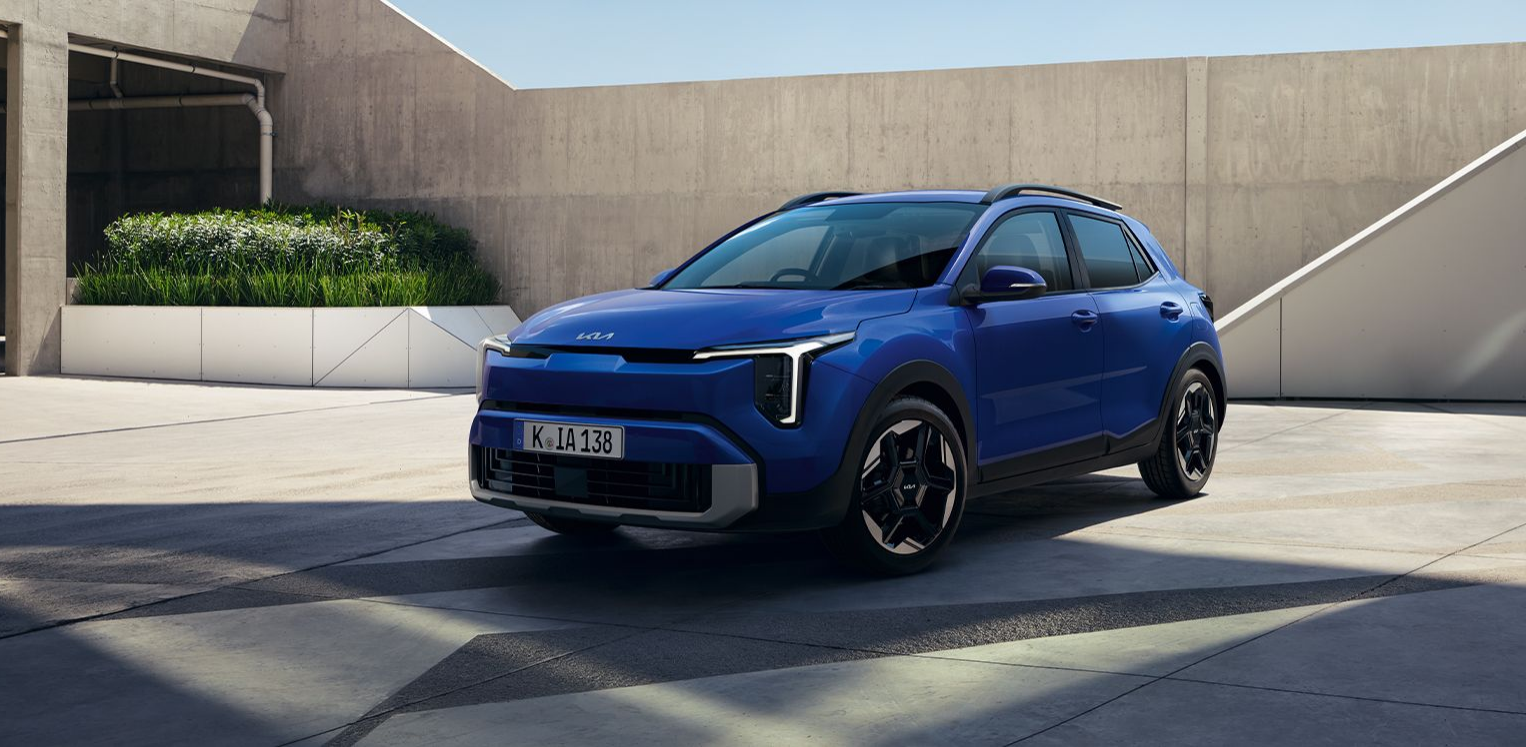
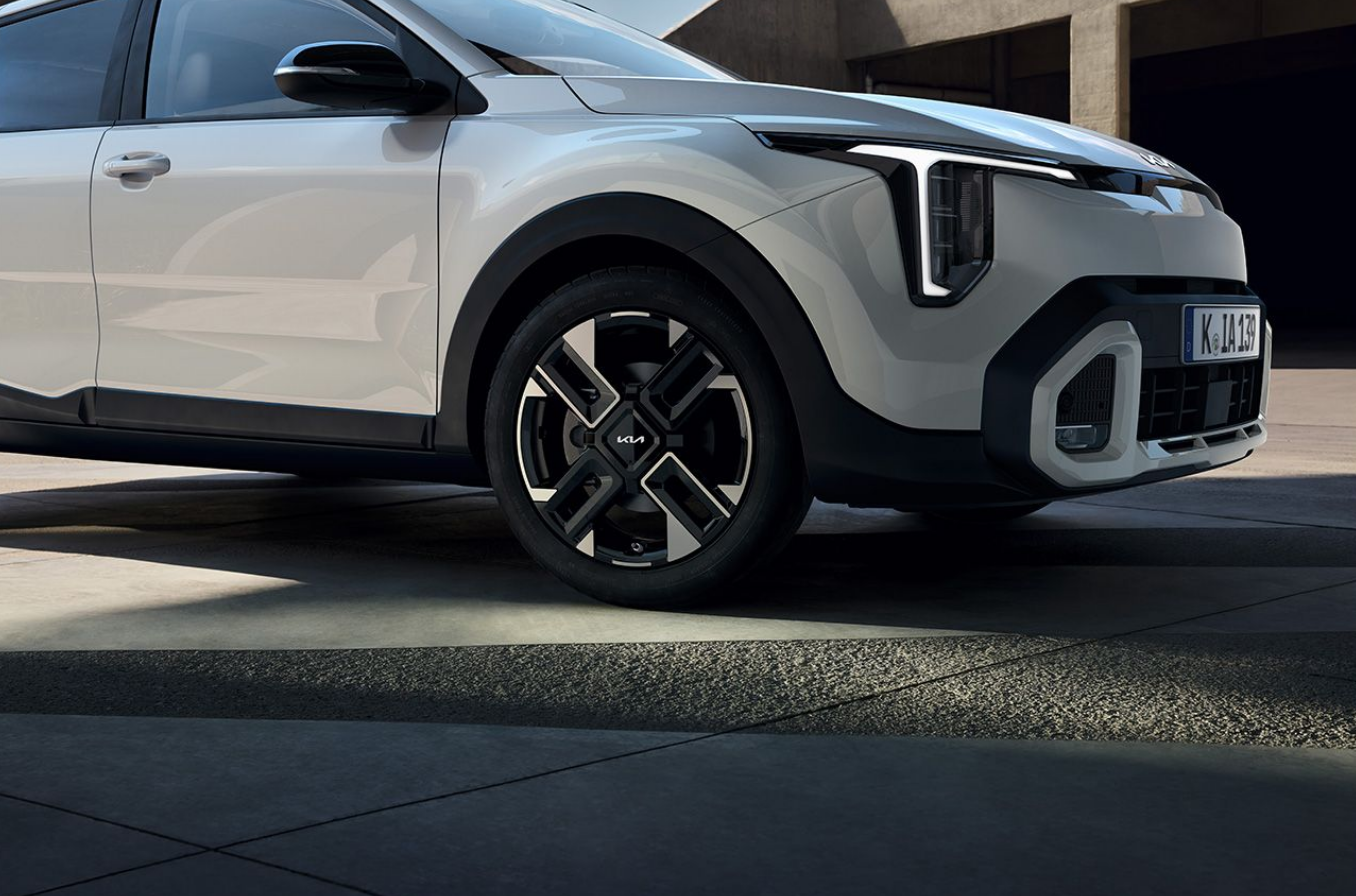
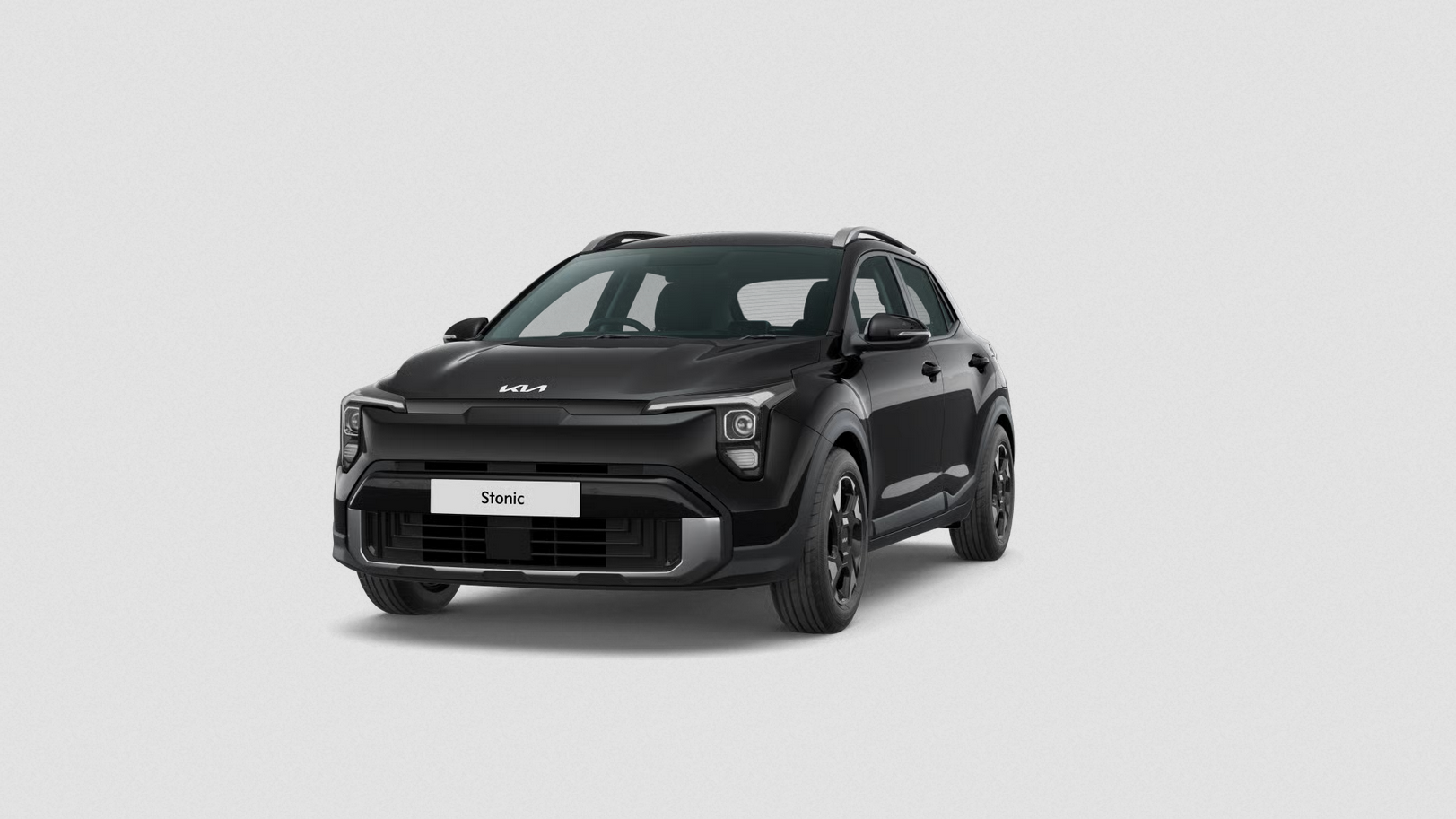
The Kia Stonic arrived in 2017 as the brand's answer to the booming small SUV market, and it's aged well. Upright proportions, a wide engine range, and Kia's seven-year transferable warranty make it one of the most sensible used buys at this price point. It won't thrill you from the driver's seat, but dependability and low running costs are the Stonic's calling cards — and for most buyers, that's exactly what matters.
Kia Stonic vs Ford Puma: price and used market value
The Puma launched in 2019, so the oldest used examples are only seven years old. The entry point sits higher as a result — expect to pay from around £7,700 for a 2020 Titanium MHEV with 110,000 miles, and £9,000-£12,000 for a realistic everyday buy with sensible mileage. ST-Line X models with the 155ps EcoBoost MHEV command a further premium. The Puma does depreciate reasonably quickly by small SUV standards, so bargains appear as more examples filter through from lease returns. In terms of raw purchase price, the Stonic edges it — but not by as much as you might expect once you match like-for-like ages.
Reliability and ownership costs: Kia Stonic vs Ford Puma
The Ford Puma's 1.0-litre EcoBoost MHEV is a fundamentally good engine — the mild-hybrid belt-integrated starter-generator adds a little energy recovery and makes city driving feel smoother, without the complexity of a full hybrid system. Early cars from 2019-2020 had some reports of coolant mixing with oil via the cylinder head gasket, a known EcoBoost issue from earlier Ford applications. Check for a paperwork trail confirming this was addressed. Later 2021-2023 cars appear to have a cleaner record. Running costs are broadly similar to the Stonic: tyres are widely available, insurance parts are not exotic, and the Ford dealer network is extensive. The Puma tends to sit in slightly higher insurance groups than the Stonic, which is worth factoring in if you're a younger driver.

Ford Puma: the driver's small SUV
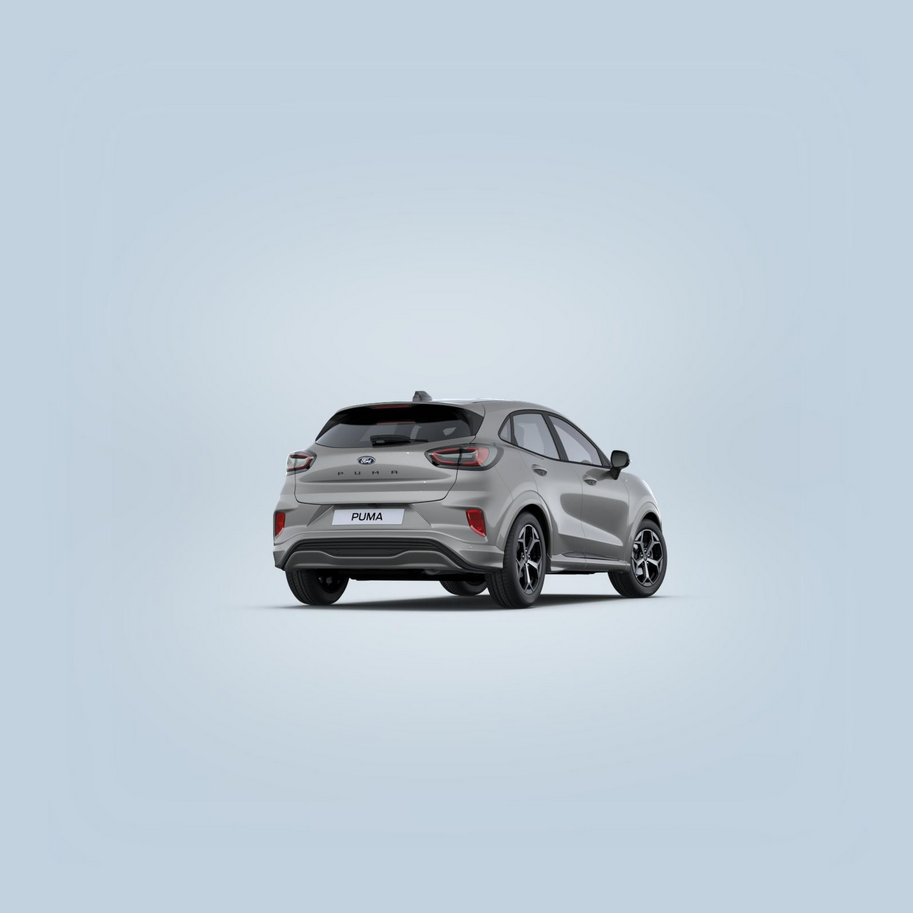
The Ford Puma arrived in 2019 as a coupe-SUV alternative in the crowded small crossover class, and it immediately stood out on two fronts: the MegaBox underfloor storage system and its driving dynamics. Where most small SUVs feel like tall hatchbacks going through the motions, the Puma has genuine chassis intent — it's a car that rewards confident driving and makes motorway miles feel effortless. Add the largest effective boot in the class and you have a compelling case.

Practicality and boot space
On paper, the Ford Puma wins the boot-space battle convincingly. Its 456-litre boot is substantially larger than the Stonic's 352 litres — and that's before you factor in the MegaBox. Hidden beneath the boot floor, this underfloor compartment adds 80 litres of additional waterproof storage, deep enough to stand a standard bicycle wheel upright. It's one of the cleverest real-world features you'll find on any small SUV, and it makes the Puma feel more versatile than its compact exterior dimensions suggest.
The Stonic isn't short of space by class standards, but its 352-litre boot is more modest. Rear headroom is decent enough for a car of this size — the relatively upright roofline helps — and the rear bench accommodates two adults comfortably, though three across would be a squeeze on longer runs. One practical advantage the Stonic holds: its simpler, squarer boot shape makes loading awkward items straightforward, and the lip is low. If you regularly carry awkward loads or want that MegaBox versatility, the Puma is the clear winner. For straightforward urban and family use where raw boot litreage matters less, the Stonic holds its own.
Stonic buying tip: watch the roofline spec
Some Stonic variants came with a contrast-colour roof as standard. While this looks attractive, check that the paint condition on both colours matches — stone chips and touch-up work can look mismatched. Also note that panoramic roof options were unavailable on the Stonic, so if you want a sunroof, the Puma's ST-Line models occasionally feature one.
Driving experience: where the Puma pulls ahead
The Ford Puma is simply better to drive than the Kia Stonic — and it's not close. Ford has always put engineering effort into how its mainstream cars feel on British roads, and the Puma is no exception. The steering is accurate and pleasantly weighted, body roll is well controlled for a small SUV, and the 1.0-litre EcoBoost MHEV unit pulls willingly from low revs. In ST-Line guise, the suspension is firmed up further and the whole car feels more composed. It's not a hot hatch — don't mistake the Puma name as a signal of sports-car dynamics — but it's genuinely enjoyable to hustle down a B-road.
The Stonic is competent but unremarkable to drive. The 1.0 T-GDi petrol engine performs adequately in town and on the motorway, but it doesn't reward enthusiastic driving. The ride quality is acceptable, steering is light (which suits urban use), and the car feels planted enough at motorway speeds. For buyers who mainly want comfortable, stress-free transport, the Stonic's dynamic shortcomings are hardly relevant. But if driving enjoyment is something you value — even 10% of the time — the Puma will leave you more satisfied.
Running costs: the Stonic's strongest card
Day-to-day running costs is where the kia stonic vs ford puma argument shifts back in the Korean car's favour. Insurance groups for the Stonic range from 7 to 15 depending on trim and engine, making it one of the cheaper small SUVs to insure. The Puma's MHEV range falls into groups 12 to 19 — not expensive by absolute standards, but meaningfully higher, especially if you're a younger driver or have a few points on your licence.
Fuel economy is close between the two. The Stonic 1.0 T-GDi returns around 45-52 mpg in mixed UK driving, while the Puma's MHEV system nudges this to 48-55 mpg for careful drivers. The mild-hybrid technology doesn't transform the Puma into an economy champion — it's not that kind of system — but it takes the edge off in slow traffic and removes the stop-start jerkiness that plagued earlier EcoBoost engines. On motorway runs, both cars feel similarly relaxed and return similar real-world figures.
Servicing is broadly comparable in cost. Both manufacturers have wide dealer networks and competitive parts pricing. Kia's service plan options are worth checking when buying a used Stonic — some examples will have prepaid plans remaining. The Stonic diesel (1.6 CRDi) is worth avoiding unless you cover genuinely high motorway mileage; DPF issues on lower-mileage urban-use examples can be expensive.
Which trim levels should you target?
For the Kia Stonic, the '2' trim is the sweet spot. It includes cruise control, rear parking sensors, a touchscreen with smartphone connectivity, and climate control — everything you actually need. '3' trim adds lane-keep assist and a better infotainment setup, which is worth having on later 2020-2022 cars. The GT-Line adds sportier styling elements and alloy wheels but doesn't meaningfully improve the driving experience. Avoid 2017-2018 cars with very high mileage (over 100,000 miles) unless you can verify a full service history and the timing chain hasn't shown any signs of stretch.
For the Ford Puma, the Titanium MHEV is the most sensible starting point — it comes with Apple CarPlay, Android Auto, heated front seats, and keyless entry. If budget stretches, the ST-Line adds more visual appeal and sharper handling without compromising comfort. The ST-Line X is the fully-loaded variant and commands a significant premium; it's worth having but rarely represents the best value in the used market. The full-fat ST (200ps) is genuinely quick and entertaining but jumps into higher insurance groups and returns noticeably worse economy.
Pros
- Seven-year transferable warranty provides strong used-buyer peace of mind
- Lower insurance groups (7-15) cut running costs significantly
- Competitive purchase price — more choice at under £10,000
- Diesel option suits high-mileage motorway users
- Solid reliability record backed by Kia's quality rankings
- Upright roofline delivers generous headroom front and rear
Cons
- 352-litre boot trails the Puma's 456 litres
Pros
- MegaBox underfloor storage adds unique 80-litre waterproof compartment
- Genuinely enjoyable to drive, especially in ST-Line trim
- Mild-hybrid system reduces urban fuel consumption and smooths throttle response
- Modern interior with clear infotainment and good standard equipment
- 456-litre boot is class-competitive and practically shaped
- Extensive Ford dealer network nationwide
Cons
- Higher insurance groups (12-19) than the Stonic
- Early 2019-2020 cars have known EcoBoost cylinder head gasket history
Current used listings to consider
Based on live UK market data as of June 2026

Best value entry point with full spec. Look for a full service history and check that the 7-year warranty is still active.
Later build quality, improved infotainment, and fresher exterior styling. Strong used-market sweet spot.
MegaBox storage, mild-hybrid engine, and great standard equipment. Check cylinder head gasket history on pre-2021 engines.
Adds sporty styling and sharper handling tuning over Titanium. Best all-round Puma for driving enjoyment.
What to check when buying a used Stonic or Puma
For either car, the fundamentals of any used purchase apply: full service history, two or more sets of keys, and a clean HPI check. But there are model-specific things to inspect.
Kia Stonic: Check that the Kia warranty is still active by contacting Kia UK with the registration. Verify the vehicle has been serviced at Kia approved outlets to maintain warranty validity. On petrol models, listen for timing chain rattle on cold start — a brief metallic rattle that clears within a few seconds is a yellow flag. On diesel models, ask whether the car has predominantly motorway or urban history; short-trip diesels with DPF issues are best avoided.
Ford Puma: On 2019-2020 cars, ask specifically about the cylinder head gasket. Any reputable dealer will have paperwork showing this was investigated and, if necessary, rectified. Also check the SYNC 3 touchscreen responds quickly — sluggish response can indicate an overloaded system. The mild-hybrid battery is low-maintenance but worth confirming that no warning lights have appeared relating to the belt-integrated starter-generator. A test drive that includes a short motorway stretch will reveal any transmission shunt, which a small number of Pumas have exhibited at light throttle.
Kia Stonic vs Ford Puma: the verdict
For most used buyers in 2026, the Ford Puma is the better car — but only if the budget stretches to a clean 2020 or newer example with documented service history. The MegaBox boot trick is genuinely useful, the mild-hybrid engine is refined, and the driving dynamics put the Puma in a different league to the Stonic. If you enjoy driving even occasionally, the Puma will make you glad you spent the extra.
The Kia Stonic earns its place, though. If your budget sits under £10,000 and you want the reassurance of a transferable seven-year warranty, the Stonic is hard to argue with. Insurance costs are lower, it's thoroughly reliable, and for everyday transport it does everything asked of it without complaint. Buyers who cover lots of miles, want low running costs, or are simply getting maximum value from a modest budget will leave the forecourt entirely satisfied.
The bottom line: the Puma is the car you'd choose. The Stonic is the car that makes the most financial sense. Neither answer is wrong — it entirely depends on what you value most from your next used small SUV.
For a step up in size from both cars, take a look at our guide to the — two mid-size SUVs that represent the next rung on the used-market ladder. Or if you're building a shortlist of family haulers in general, our covers the full spectrum from estates to SUVs. And if you're weeding out the lemons before you buy, the guide is essential reading.
Frequently asked questions
Yes, the Kia Stonic has a strong reliability record, backed by Kia's generally high quality rankings. The 1.0 T-GDi petrol engine is durable in everyday use and the car's relatively simple specification — front-wheel drive only, no complex automatic gearbox on most variants — reduces the number of potential failure points. The main area to watch is the infotainment system on early 2017-2018 cars, which can freeze, and the diesel models if used predominantly in town.
Yes. Kia's seven-year manufacturer warranty transfers with the car, provided servicing has been kept up at Kia-approved outlets. This is one of the Stonic's biggest used-buying advantages. A 2019 Stonic, for example, would still have had warranty cover until 2026. Contact Kia UK with the registration to confirm the exact remaining cover before you buy.
The MegaBox is a 80-litre underfloor compartment hidden beneath the Puma's main boot floor. It's waterproof and deep enough to stand a bicycle wheel upright. It comes as standard across most Puma trim levels and is one of the cleverest practical features in the small SUV class — adding meaningful storage without increasing the car's exterior size.
With caution. Early Pumas (2019-2020) used a version of the 1.0-litre EcoBoost engine that has a known history of coolant mixing with engine oil via the cylinder head gasket — a fault previously seen on other Ford models using this engine. A reputable dealer should be able to show paperwork confirming this was either inspected and cleared, or rectified. If no history is available, budget for the cost of investigation. From 2021 onwards, the issue appears significantly less prevalent.
The Kia Stonic. Stonics fall into insurance groups 7-15 depending on trim and engine, while Ford Pumas typically sit in groups 12-19. The difference is most pronounced at entry-level trims — a 2018 Stonic 1 or 2 trim can be significantly cheaper to insure than an equivalent Puma Titanium, particularly for younger or less experienced drivers.
Key takeaways
Buy the Stonic if...
Your budget is under £10,000, you want the reassurance of Kia's seven-year transferable warranty, or lower insurance groups are a priority. It's the smarter financial choice and thoroughly dependable.
Buy the Puma if...
You have £10,000-£14,000 to spend, want a more engaging drive, and the MegaBox boot appeals. Choose a 2021 or newer car to sidestep the early EcoBoost cylinder head history and opt for ST-Line trim for the full experience.
Both cars: check first
Verify the Stonic's Kia warranty status before buying. For the Puma, ask specifically about the cylinder head gasket on pre-2021 examples and request full service documentation.