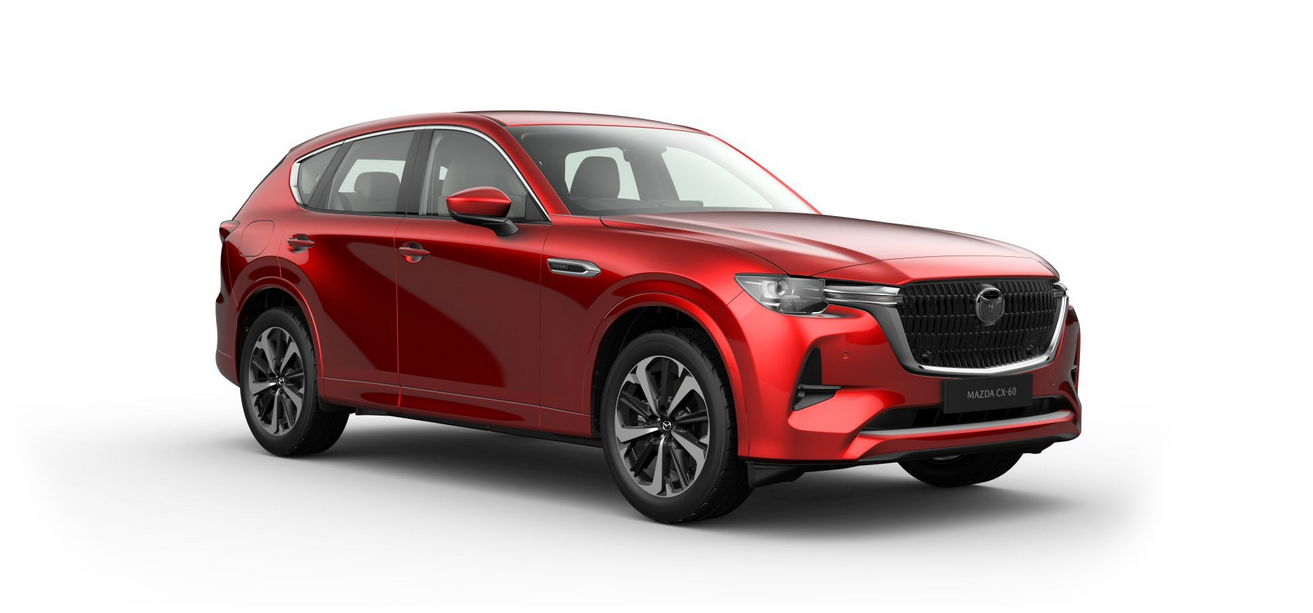
Mazda CX-60 vs Kia Sorento: which hybrid SUV wins?
Choosing between the Mazda CX-60 vs Kia Sorento comes down to a simple question: do you want a driver's SUV or a load-lugging family bus? The CX-60 is Mazda's most ambitious model in years. It's built around a longitudinal platform, with a straight-six diesel or plug-in hybrid powertrain that feels closer to a BMW than anything else at this price point. The Sorento, now in its fourth generation, is a seven-seat workhorse. It offers a hybrid or plug-in hybrid option and undercuts most premium rivals on price without skimping on standard kit. Weigh up driving enjoyment against outright practicality, and the right pick becomes clear.
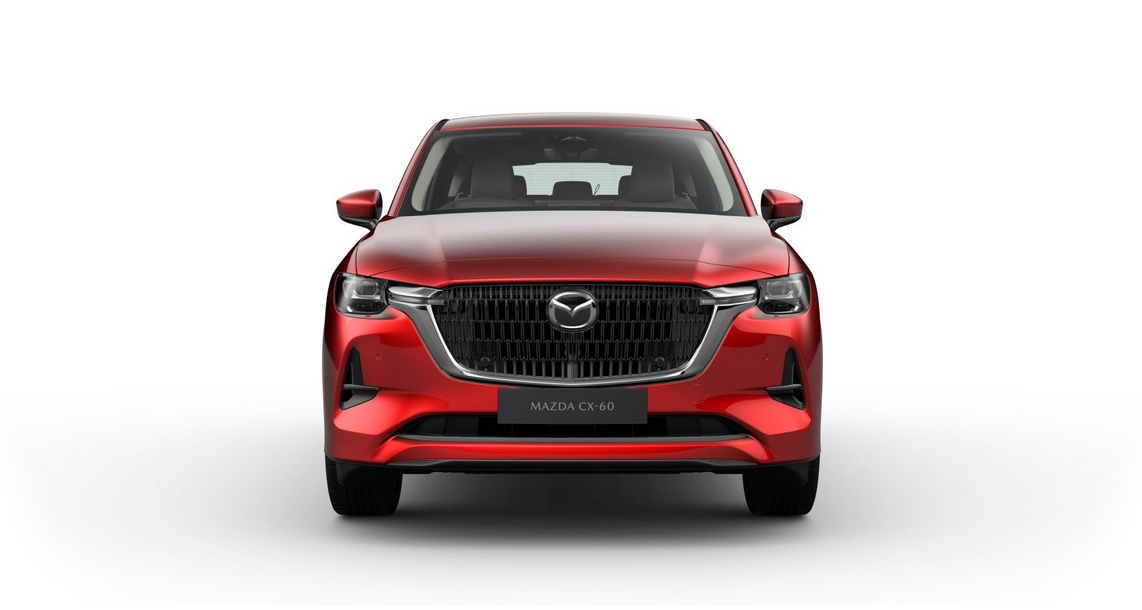
Mazda CX-60: the driver's choice
Mazda's CX-60 range starts with the mild-hybrid diesel and tops out with the e-SKYACTIV PHEV, which pairs a 2.5-litre petrol engine with a 17.8kWh battery for an official electric range of around 39 miles. Prices for a used CX-60 typically start from about £28,000 for early diesel models, rising to £40,000-plus for a low-mileage PHEV Takumi. What sets it apart is the rear-wheel-drive-biased chassis, a rarity in this class, which gives the steering a directness you don't get in most family SUVs. For current model details and specifications, visit .
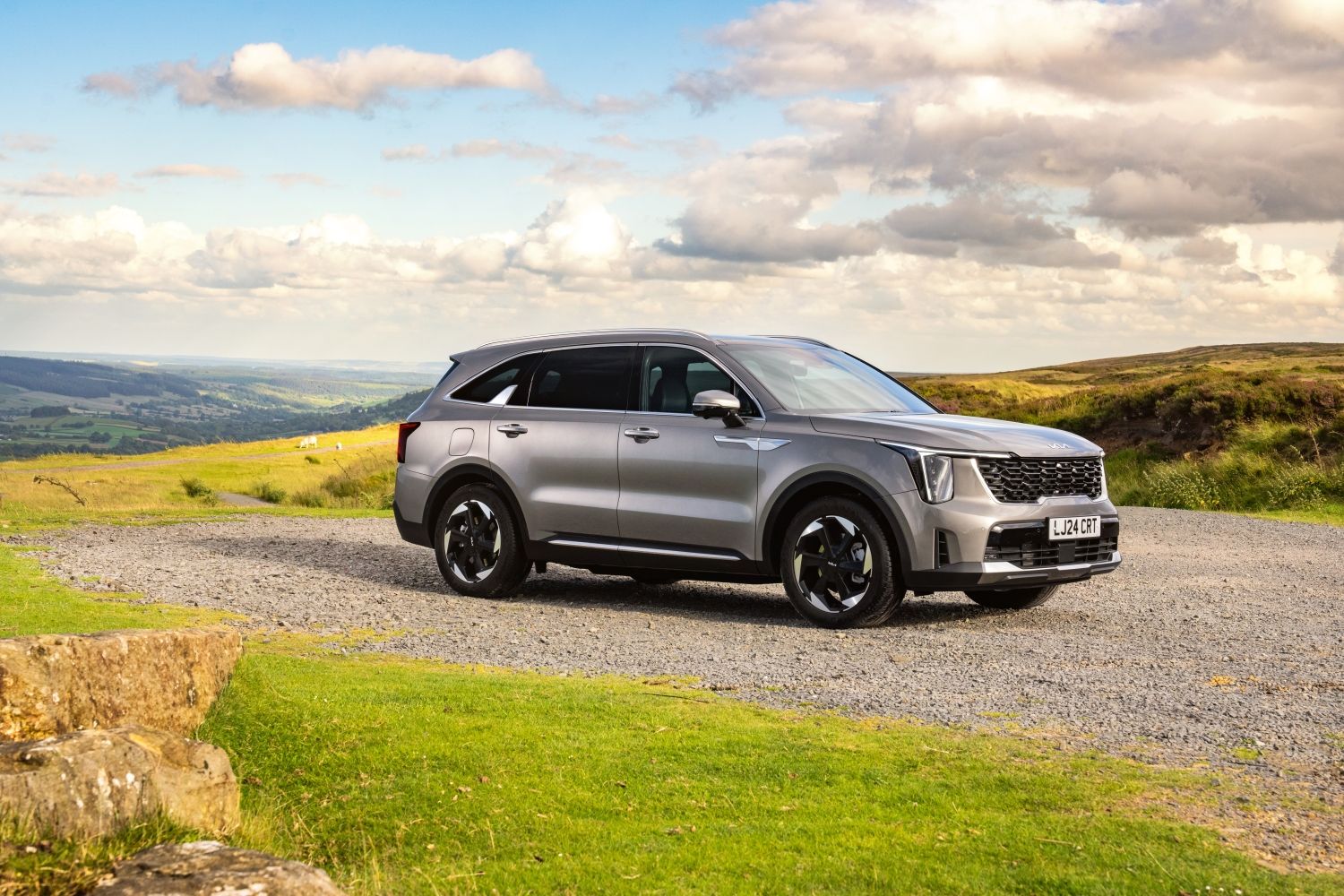
Kia Sorento: the practical family pick
The Kia Sorento offers self-charging hybrid and plug-in hybrid variants, both mated to a 1.6-litre turbo petrol engine. Used prices start from around £25,000 for an early hybrid, with PHEV models from roughly £32,000. Seven seats come as standard across most of the range, and Kia's 7-year/100,000-mile warranty (transferable to used buyers for the remainder of the term) is a genuine point of difference. It's not a car built to thrill on a B-road, but it's hard to beat for shifting five, six, or seven people and their luggage without complaint. You'll find full trim and pricing details on .
Mazda CX-60 vs Kia Sorento: price and running costs
On paper, the Sorento looks like the value leader. You get seven seats and a lower entry price. But specification matters here: a CX-60 in mid-range Exclusive-Line trim already includes adaptive cruise, heated seats, and a 12.3-inch driver display, so the like-for-like gap narrows. Fuel economy favours the Mazda's PHEV on paper, with official figures north of 100mpg if you charge regularly. Real-world driving without regular charging brings that down to the high 30s mpg, roughly in line with the Sorento's self-charging hybrid. If you want to see how both stack up against rivals, our guide to the breaks down running costs across the class.
Interior space and practicality
This is where the Sorento pulls ahead decisively. Its seven seats are genuinely usable by adults in row two, and the third row, while tight, works for children on shorter trips. Boot space with all seats up sits around 187 litres, expanding to a cavernous 813 litres with the third row folded. The CX-60 is a strict five-seater, but the trade-off is a properly premium cabin. Real wood trim and a rotary infotainment controller, rather than a fiddly touchscreen, keep the cabin feeling calm on the move. If you're weighing up boot space for pushchairs, luggage, or a dog crate, our roundup of the is worth a look before you decide.
CX-60 vs Sorento: key specs at a glance
- Best forEnthusiast drivers wanting premium feel
- Body style5-seat SUV
- PowertrainsMild-hybrid diesel, PHEV (2.5-litre petrol + 17.8kWh battery)
- Warranty (new)5 years, unlimited mileage
- Used price from£28,000 (diesel)
- Driving characterRear-wheel-drive-biased, sharper handling
- Boot space (seats up)Approx. 570 litres
- Real-world fuel economyHigh 30s mpg (unplugged), 100mpg+ official on PHEV
- Electric-only range (PHEV)Approx. 39 miles
- Best forFamilies needing maximum seats and space
- Body style7-seat SUV
- PowertrainsSelf-charging hybrid, PHEV (both 1.6-litre turbo petrol)
- Warranty (new)7 years, 100,000 miles
- Used price from£25,000 (hybrid)
- Driving characterFront-wheel-drive-biased, comfort focused
- Boot space (seats up)Approx. 187 litres (3rd row up), 813 litres (3rd row folded)
- Real-world fuel economy38-40mpg (hybrid, no charging needed)
- Electric-only range (PHEV)Approx. 35 miles
Driving experience and reliability
The CX-60's straight-six diesel is a genuine highlight of the range, with a deep well of torque and a soundtrack that's unusually characterful for an SUV. The PHEV is quieter around town but noticeably heavier, which blunts some of that agility. Ride quality has been a sticking point in early reviews, particularly on 20-inch wheels over broken UK tarmac. A test drive on rough roads near you matters more than usual here. Mazda's reliability record is generally solid, though the CX-60 is still new enough that long-term ownership data remains limited. The Sorento, by contrast, is built on a proven platform with a strong track record for dependability.
Servicing, insurance, and ownership costs
Servicing intervals for both cars sit around 12 months or 12,500 miles, typical for this class. Mazda dealer servicing tends to run slightly higher than Kia's. This partly reflects the CX-60's more complex six-cylinder and PHEV powertrains, though independent specialists are starting to take on CX-60 work as the model ages. Kia's nationwide dealer network is larger and more established, which can mean easier booking and marginally cheaper parts, particularly for routine servicing items.
Verdict: Mazda CX-60 vs Kia Sorento
Neither car is the wrong answer, but they're not really solving the same problem. Pick the CX-60 if you want a five-seat SUV that drives with more precision than almost anything else near this price. You'll need to accept some trade-off in ride comfort and cargo space. Pick the Sorento if you need seven seats, lower running costs without plugging in, and a longer warranty for peace of mind. For most families cross-shopping this segment, the extra practicality of the Sorento tips the balance. But if you drive mostly solo or as a couple, the CX-60's dynamic edge is hard to ignore.
Frequently asked questions
The Kia Sorento wins here easily. It's the only one of the two with a third row, so if you regularly need seven seats, the CX-60 is out of contention regardless of how it drives.
The Sorento's self-charging hybrid is more consistent day-to-day since it doesn't rely on charging to hit its claimed economy. The CX-60 PHEV can beat it if you charge every night and do mostly short trips, but drops below the Sorento's real-world mpg once the battery is depleted.
Early reports have flagged some suspension and infotainment niggles on pre-facelift cars, but nothing that points to a systemic issue. It's a newer model than the Sorento, so long-term reliability data is still limited. Always check the full MOT and service history on any used example.
Yes. The Sorento PHEV uses a 13.8kWh battery that can be charged from a standard domestic socket or a home wallbox, giving an electric-only range of around 35 miles, enough for most daily commutes.
Kia's 7-year, 100,000-mile warranty is significantly longer than Mazda's 5-year, unlimited-mileage cover. On a used example, check how much of the original warranty term remains, as Kia's is transferable to subsequent owners.