Mazda vs Kia: Which Used Car Brand Lasts Longer?
A brand-level look at Mazda and Kia reliability, warranty terms, and resale patterns for used buyers.
When it comes to Mazda vs Kia reliability, buyers are really asking a broader question: which manufacturer builds cars that keep going with the least drama? Both brands have strong reputations, but they've earned them in different ways, and the answer depends partly on what you value most: engineering consistency or peace of mind on paper.
This isn't a single-model comparison. It's a brand-level look, drawing on representative models like the Mazda 3 and CX-5, and the Kia Ceed and Sportage, to work out which badge tends to deliver a longer, less troublesome ownership experience.
Mazda's engineering-led approach
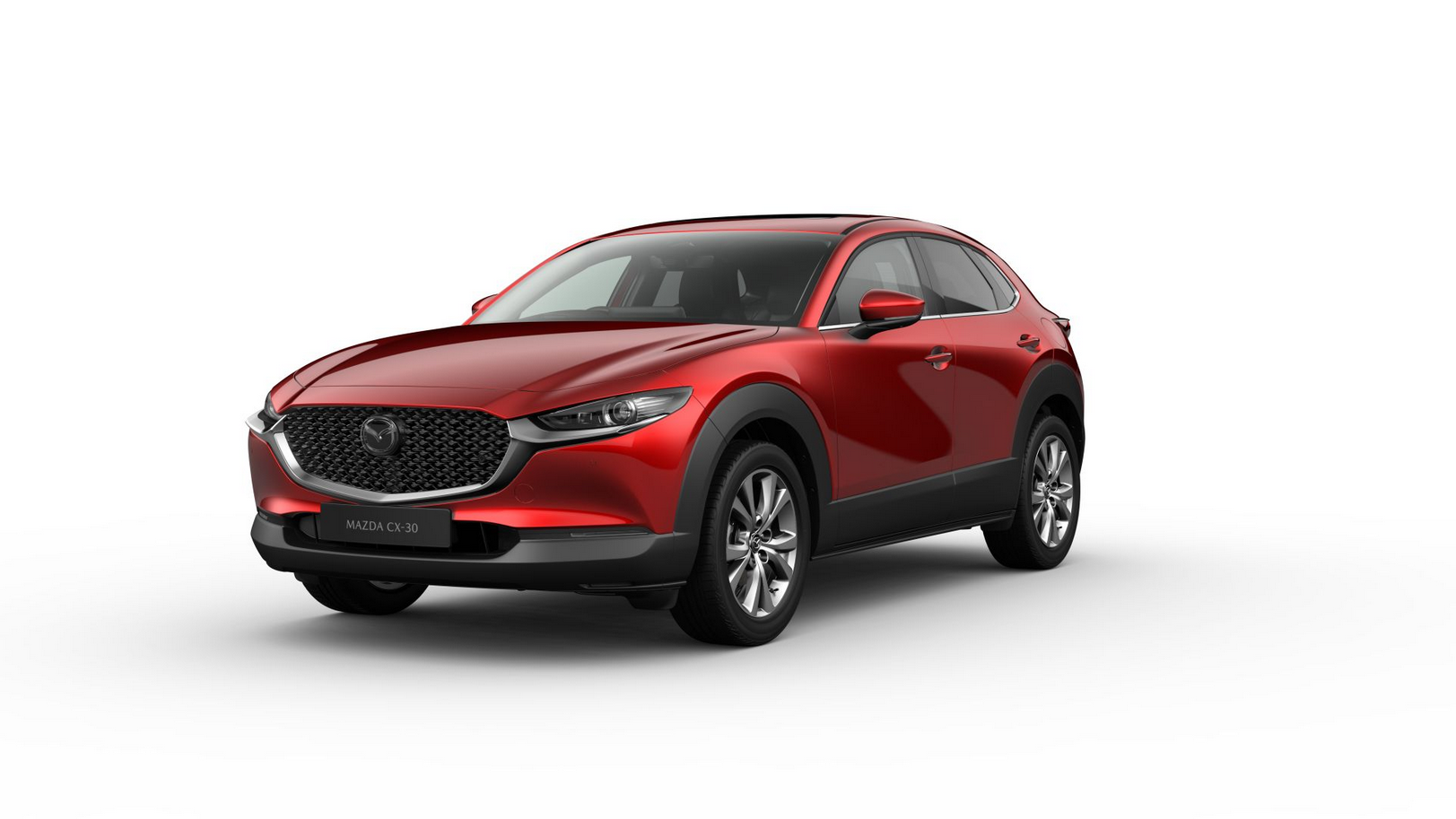
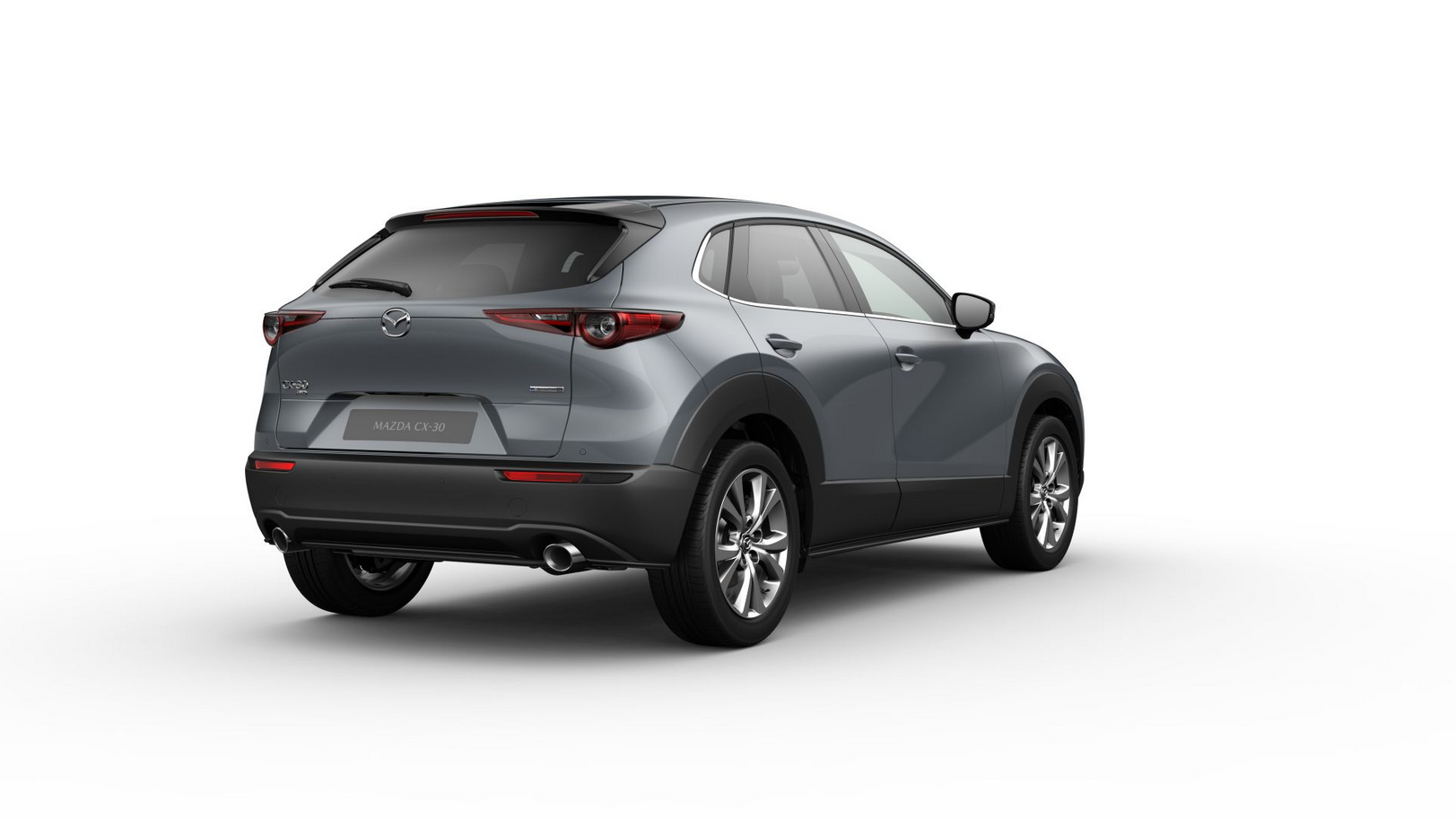
Mazda has built its reputation on mechanical simplicity and its own SKYACTIV engine technology, which prioritises efficient combustion over turbocharging and complexity in many models. This philosophy tends to produce engines with fewer failure points over the long term. Mazda backs its cars with a standard 3-year warranty, shorter than some rivals, which reflects confidence built through engineering rather than a lengthy paper guarantee.
Kia's warranty-backed confidence
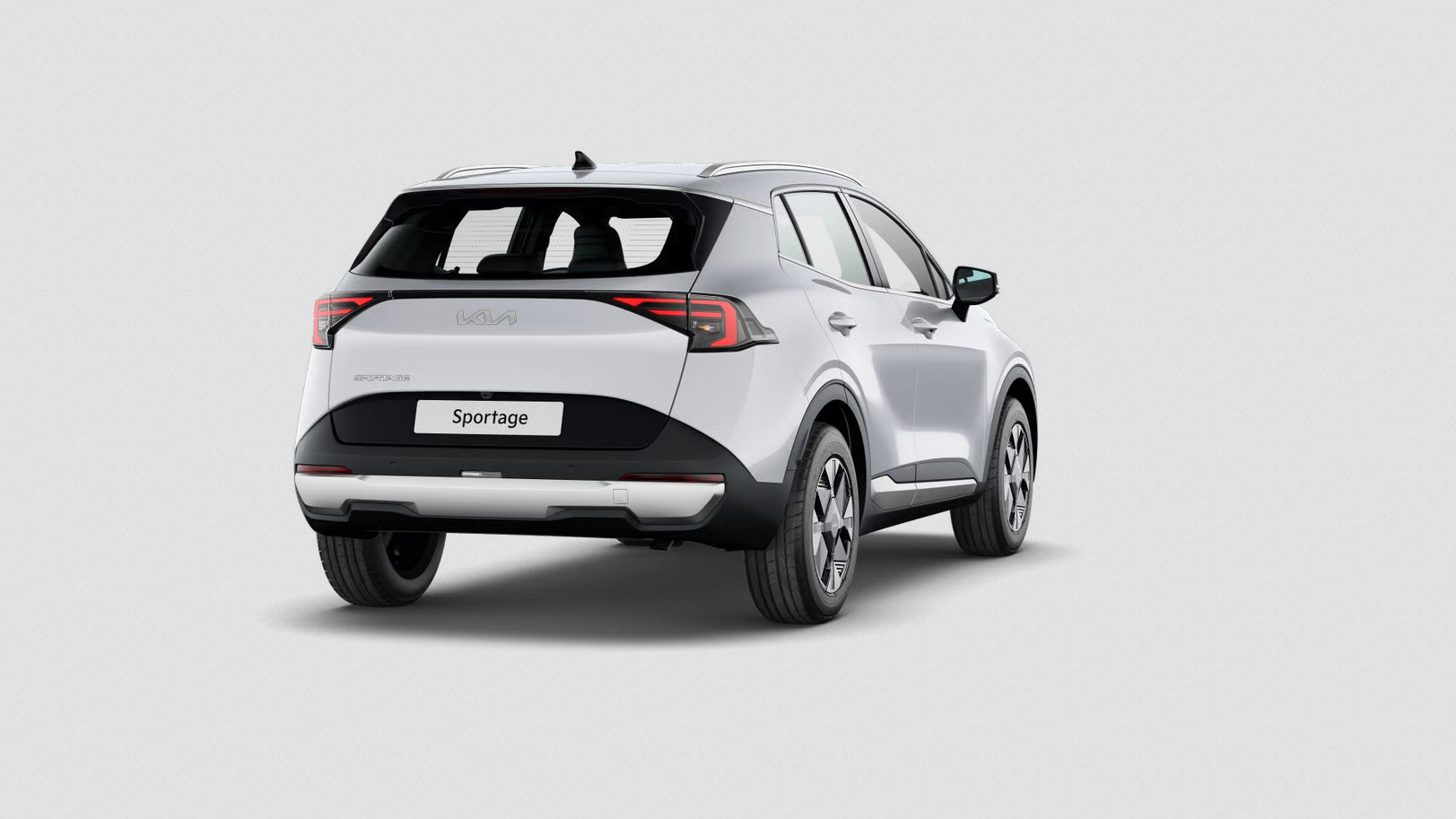
Kia's standout feature is its 7-year, 100,000-mile warranty, among the longest offered by any mainstream manufacturer selling in the UK. That's a genuine statement of confidence, and it means used Kias within that window carry transferable cover that can materially reduce the risk of buying second-hand. Kia's more recent models, including the current Sportage, have also seen build quality improve significantly compared to older generations.
Side by side
- warranty3 years / 60,000 miles standard
- known_issuesOccasional infotainment glitches; otherwise a strong mechanical track record
- engine_philosophySKYACTIV naturally-aspirated and mild-hybrid engines, fewer turbo failure points
- ✓Engine simplicity translates to fewer long-term failure points
- ✓Strong resale values, particularly on CX-5
- ✓Consistent build quality across the model range
- −Shorter standard warranty than Kia
- −Fewer hybrid/PHEV options historically than Korean rivals
- warranty7 years / 100,000 miles, transferable to subsequent owners
- known_issuesOlder pre-2018 diesel engines had some DPF and turbo issues, largely resolved on newer models
- engine_philosophyTurbocharged petrol and hybrid powertrains, shared with Hyundai group
- ✓Industry-leading warranty length gives strong buyer confidence
- ✓Significant build quality improvements on recent generations
- ✓Strong equipment levels for the price
- −Older diesel variants (pre-2018) had documented DPF/turbo issues
- −Resale values slightly softer than Mazda on equivalent age/mileage
Mazda's case: fewer things to go wrong in the first place
Mazda's SKYACTIV philosophy deliberately avoids some of the complexity that causes reliability headaches elsewhere in the industry. Many Mazda engines remain naturally aspirated or use simpler mild-hybrid assistance rather than heavily turbocharged, downsized units, and that shows up in fewer of the turbo-related failures that affect some rivals. The trade-off is a shorter standard warranty; three years reflects genuine confidence in the engineering rather than an attempt to out-guarantee the competition on paper.
Resale values back this up. Mazda 3 and CX-5 models tend to hold their value well against Korean and mainstream European rivals, a reasonable proxy for the market's confidence in long-term durability.
Kia's case: the warranty is the whole pitch, and it's a strong one
Kia's seven-year warranty isn't a marketing gimmick. It's transferable to used buyers within the term, meaning a three-year-old Kia Sportage still carries four years of manufacturer cover, a genuinely valuable safety net that neither Mazda nor most other mainstream brands can match. Build quality on recent Kia models, including the current-generation Sportage, has improved substantially compared to the brand's reputation a decade ago.
Where caution is warranted is on older diesel Kias built before around 2018, which had documented issues with DPF blockages and turbocharger wear, similar to problems seen across the wider industry at the time. Our guide to covers this pattern in more depth if you're considering an older diesel Kia specifically.
Warranty terms are worth verifying directly
Warranty terms and transferability rules can change between model years. confirms exact current terms before you buy.
The verdict
If you want the reassurance of a long, transferable warranty and don't mind that Kia's reputation is younger than Mazda's, the Kia is the safer paper bet, particularly on newer petrol and hybrid models. If you'd rather buy into an engineering philosophy that's proven itself with fewer complex failure points to begin with, and you're comfortable with a shorter warranty because the underlying mechanicals are simpler, Mazda is the stronger long-term hold.
Either way, don't skip the fundamentals. Check the on any specific car you're considering, and see our broader roundup of for how both brands stack up against the wider market.
Frequently asked questions
Both are strong, but in different ways. Mazda's simpler engineering tends to produce fewer failure points, while Kia backs its cars with an industry-leading 7-year warranty. Neither is a clearly weaker choice.
Kia's standard warranty runs for 7 years or 100,000 miles, whichever comes first, and it's transferable to subsequent owners within that period, a significant benefit for used buyers.
Pre-2018 Kia diesel models had some documented DPF and turbocharger issues, broadly in line with wider industry problems at the time. Newer Kia diesels and petrol/hybrid models don't share this issue.
Generally yes. The Mazda 3 and CX-5 tend to hold their value better than equivalent Kia models, reflecting market confidence in Mazda's long-term durability.
Mazda's SKYACTIV technology favours efficient, often naturally-aspirated combustion over heavy turbocharging, which tends to reduce the number of complex components that can fail over a car's lifetime.