Skoda Kodiaq vs Nissan Qashqai: Which Family SUV Wins?
Two of Britain's most practical family SUVs compared on real boot space, seating flexibility and running costs.
The Skoda Kodiaq vs Nissan Qashqai question comes up constantly for UK families, and it's really a question about priorities. The Kodiaq offers something the Qashqai simply doesn't: a genuine seven-seat option. But the Qashqai counters with lower running costs, a compact footprint that's easier to park, and one of the strongest sales records of any SUV on British roads.
This comparison looks past the spec sheet to focus on what actually matters day to day: how much you can fit in, what it costs to run, and which one suits your family's specific shape.
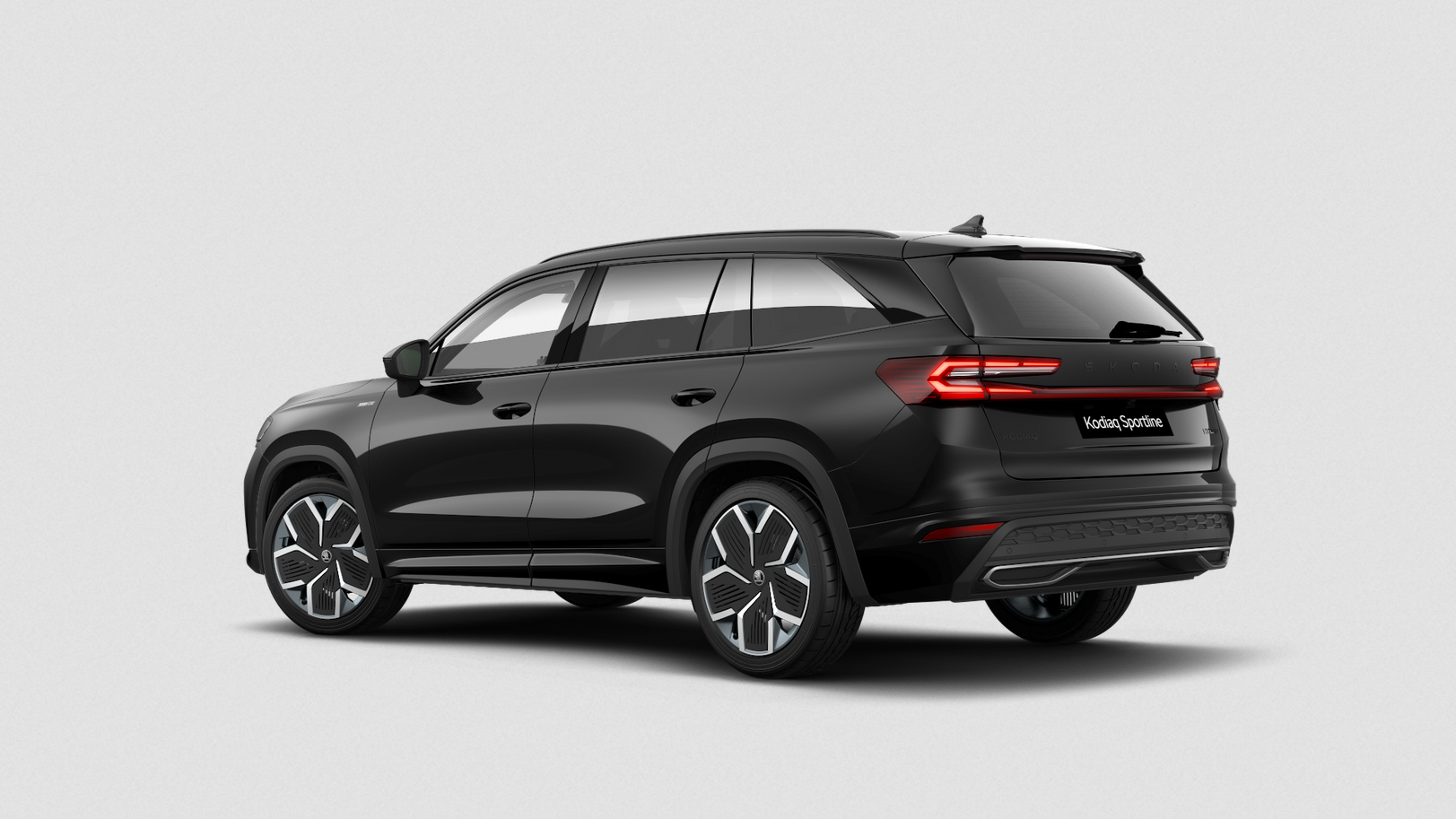
Skoda Kodiaq (Mk2, 2021-present)
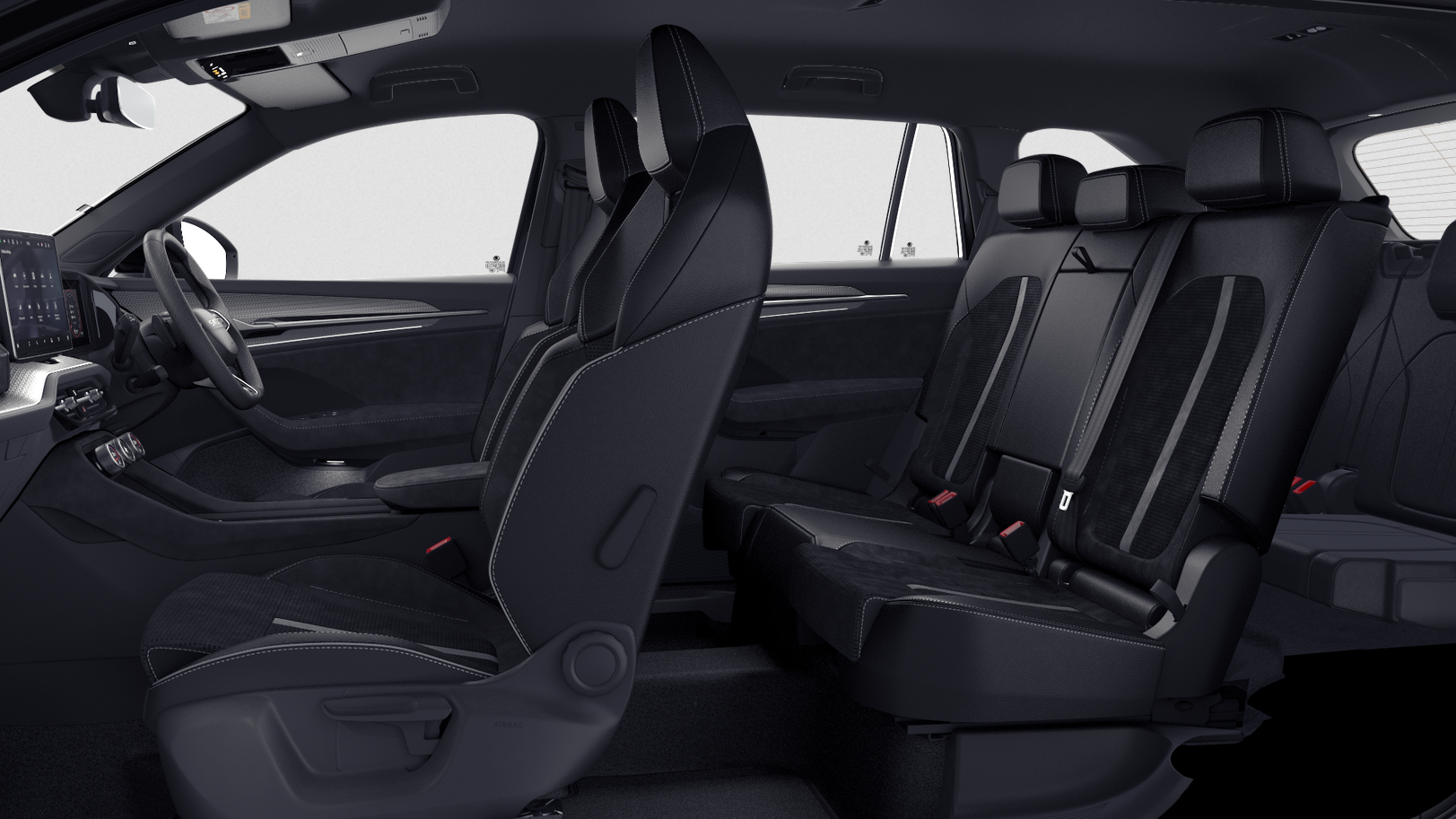
The current Kodiaq is available with a genuine third row, and unlike some rivals' occasional-use rear seats, it's usable by average-sized adults for shorter journeys. The trade-off is size. This is a big SUV, noticeably longer than the Qashqai, which shows up when parking in a typical UK supermarket space or navigating narrow residential streets. Boot space with all seven seats up is limited, as it is on any three-row SUV, but drop the third row and the Kodiaq offers genuinely generous family-estate levels of practicality.
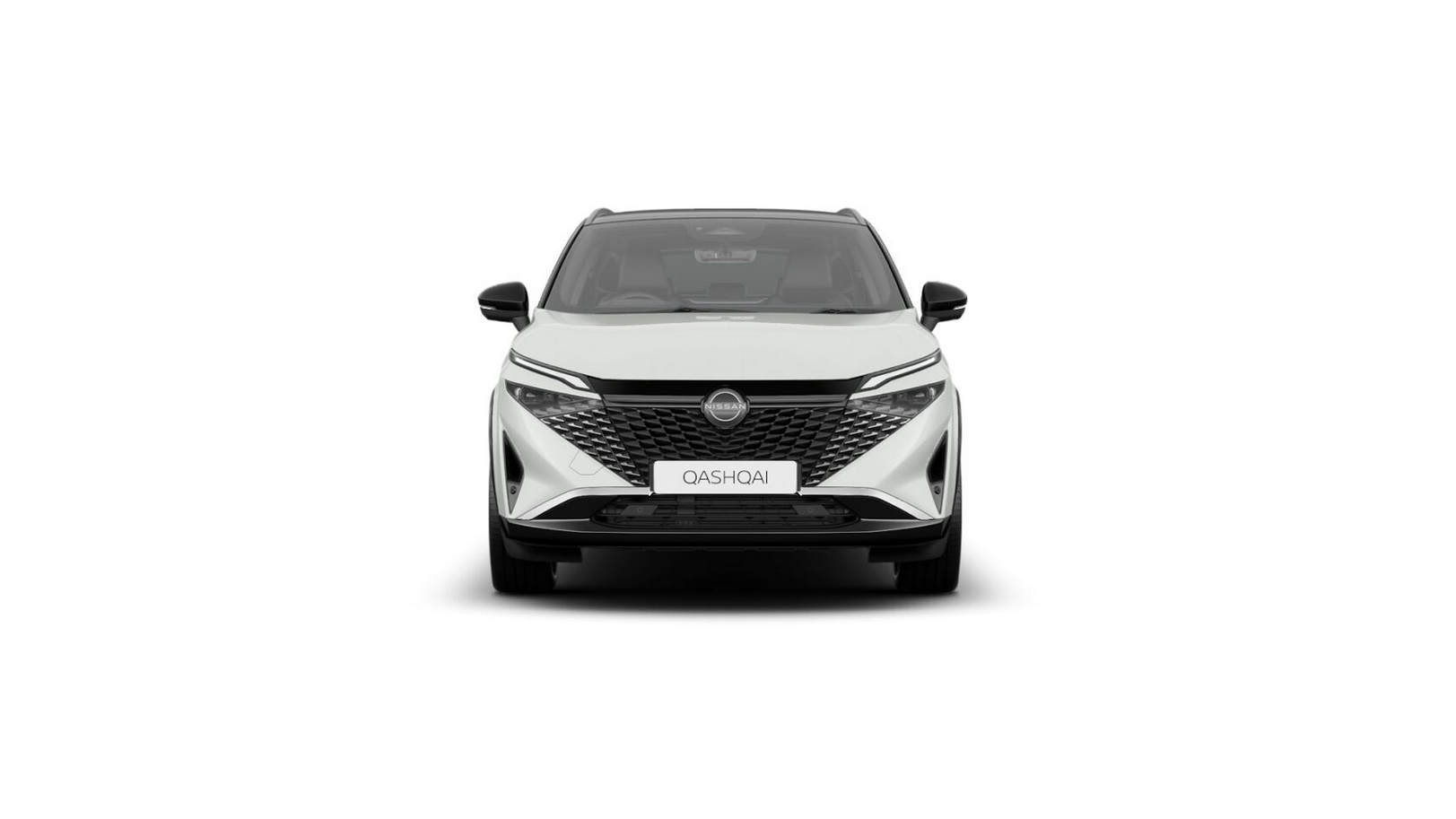
Nissan Qashqai (Mk3, 2021-present)
The Qashqai has been Britain's default family SUV for over a decade, and the current generation continues that with a well-judged size that's easy to live with day to day. It's strictly a five-seater, but the boot is genuinely competitive within that class, and the e-Power hybrid variant offers strong real-world fuel economy without the complexity of a plug-in system. It's a car built around sensible compromise rather than outright capability.
Side by side
- seatingUp to 7 seats, genuinely usable third row for shorter journeys
- boot_5_seatsAround 835 litres with third row folded flat
- boot_7_seatsAround 340 litres with all seats in use
- running_costsHigher than Qashqai; larger footprint means more fuel used and higher insurance groups
- footprint—
- boot_capacity—
- ✓Genuine 7-seat capability, rare in this size and price bracket
- ✓Excellent boot space with third row folded
- ✓Strong build quality and cabin materials
- −Bigger footprint, harder to park in tight urban spaces
- −Boot space is tight with all seven seats occupied
- −Higher running costs than the Qashqai overall
- seating5 seats only, no third-row option
- boot_5_seats—
- boot_7_seats—
- running_costse-Power hybrid offers strong real-world fuel economy without plug-in complexity
- footprintNoticeably more compact and easier to park than the Kodiaq
- boot_capacityAround 504 litres, competitive within the compact SUV class
- ✓Lower running costs and insurance groups than the Kodiaq
- ✓Easier to park and manoeuvre day to day
- ✓e-Power hybrid delivers genuinely strong fuel economy
- −No seven-seat option for growing families
- −Boot space, while competitive, can't match a folded-down Kodiaq
Why the Kodiaq wins for larger or growing families
If you regularly need to carry more than five people, even occasionally for school runs or grandparents' visits, the Kodiaq's third row is a genuine, usable feature rather than a marketing tick-box. Fold it away and you get one of the largest boots in the class, genuinely useful for family holidays or big supermarket shops. The trade-off is size and cost: this is a car that costs more to insure, more to fuel, and asks more of you when parking.
For families cross-shopping other seven-seat options, our puts the Kodiaq in wider context against rivals like the Peugeot 5008 and SEAT Tarraco.
Why the Qashqai wins for most everyday families
Most UK families don't actually need seven seats most of the time, and for that larger group, the Qashqai's compact footprint and lower running costs make more practical sense. The e-Power hybrid system delivers strong real-world economy without the added complexity and cost of a plug-in setup, and the car's smaller dimensions make daily driving noticeably less stressful, particularly in town.
Our full covers the e-Power system's reliability record in more detail if you're considering one specifically.
Think about how often you'll actually use a third row
Occasional-use third-row seats are common in this class, but they add weight, cost, and complexity year-round for capacity you might use a handful of times. Be honest about how often you'd genuinely need seven seats before paying the premium.
The verdict
Buy the Kodiaq if you have more than four children or regularly need to transport extended family, and you're prepared to pay more to run a genuinely larger vehicle. Buy the Qashqai if you're a typical family of four or fewer wanting the lowest running costs and easiest day-to-day driving experience in this class.
For a broader view of the segment, our covers both cars alongside the wider field, worth reading before you commit to either.
Frequently asked questions
The Skoda Kodiaq offers a genuine seven-seat option with a usable third row, something the Qashqai doesn't provide at all as a strictly five-seat SUV.
Generally yes. The Qashqai's smaller footprint and e-Power hybrid system typically deliver lower fuel costs and insurance groups than the larger, heavier Kodiaq.
With the third row folded flat, the Kodiaq offers around 835 litres, among the largest in its class. With all seven seats in use, space drops to around 340 litres.
Yes. Nissan's e-Power hybrid system has a solid reliability record and offers genuinely strong real-world fuel economy without the added complexity of a plug-in hybrid system.
If you regularly need to carry more than five people, even occasionally, the Kodiaq's genuine third row makes it worth the extra running costs and larger footprint.