Top reasons to choose BobiCar for accessible vehicle shopping
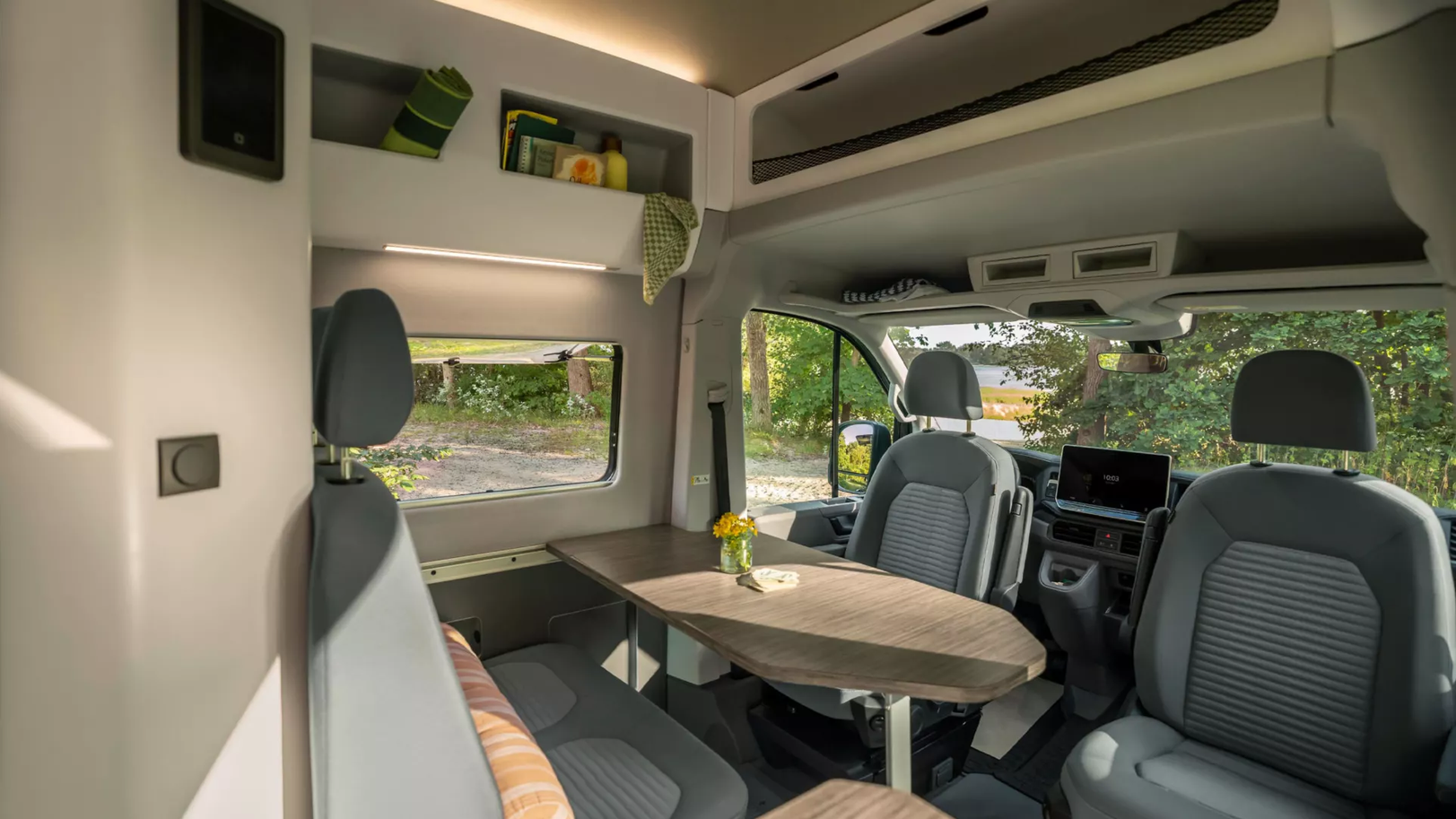
If you have a disability, or you're buying on behalf of someone who does, car shopping usually starts with a compromise. You scroll through hundreds of listings that never mention wheelchair access, hoist points, or seat height, then ring round dealers hoping someone understands what you actually need. This is exactly why more disabled drivers and carers choose BobiCar for accessible vehicle shopping rather than sticking with the standard classified sites. Bobi treats accessibility requirements as core search criteria, not an afterthought bolted onto a filter list. You describe what matters, whether that's a specific ramp angle, swivel seat compatibility, or boot space for a folding wheelchair, and the platform's AI matching works from that brief rather than expecting you to decode vague listing titles. It's a genuinely different starting point, and one worth understanding before you commit hours to searching elsewhere.
Key takeaways
Accessibility as a first-class filter
Accessibility needs are treated as primary search criteria, not a bolt-on filter
Smarter matching
AI matching surfaces genuinely suitable vehicles based on your specific requirements, not just price and mileage
Verified data
Verified vehicle data reduces the risk of turning up to view a car that doesn't actually meet your access needs
No-pressure, remote-friendly
A remote-friendly, no-pressure process suits buyers who find dealership visits physically or logistically difficult
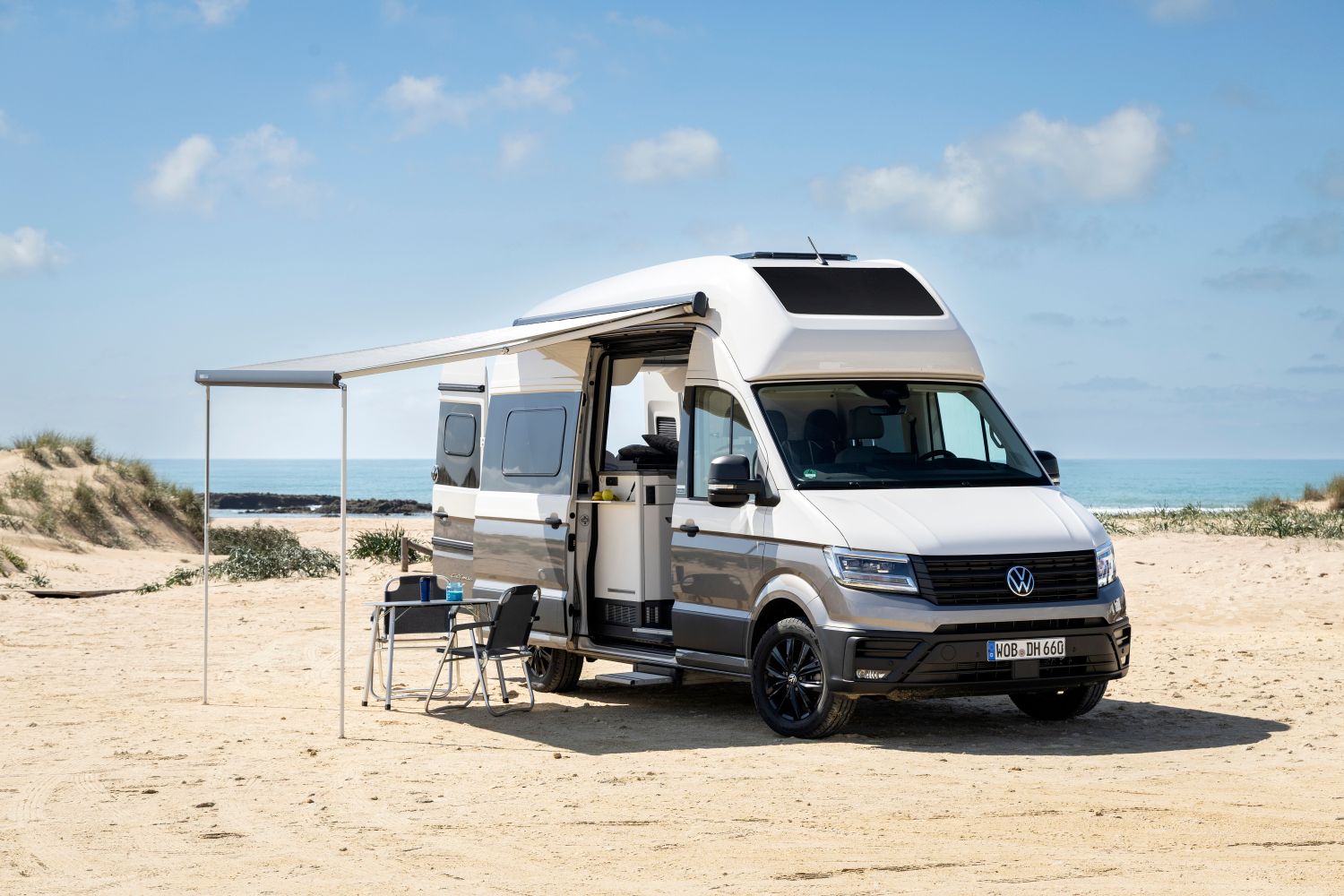
Most search platforms let you tick a box for "wheelchair accessible" and leave it there. Bobi's AI matching goes further, working from a fuller picture of what you need: ramp gradient, internal height clearance, transfer seat position, or tie-down points for a powered chair. Tell the platform what matters and it prioritises listings that genuinely fit, rather than surfacing anything loosely tagged as adapted. This matters because adapted vehicles vary enormously. A car marketed as "disability friendly" might suit one condition and be useless for another. Bobi's approach narrows that gap by matching on the specifics rather than a generic label, saving you from filtering through irrelevant results by hand.
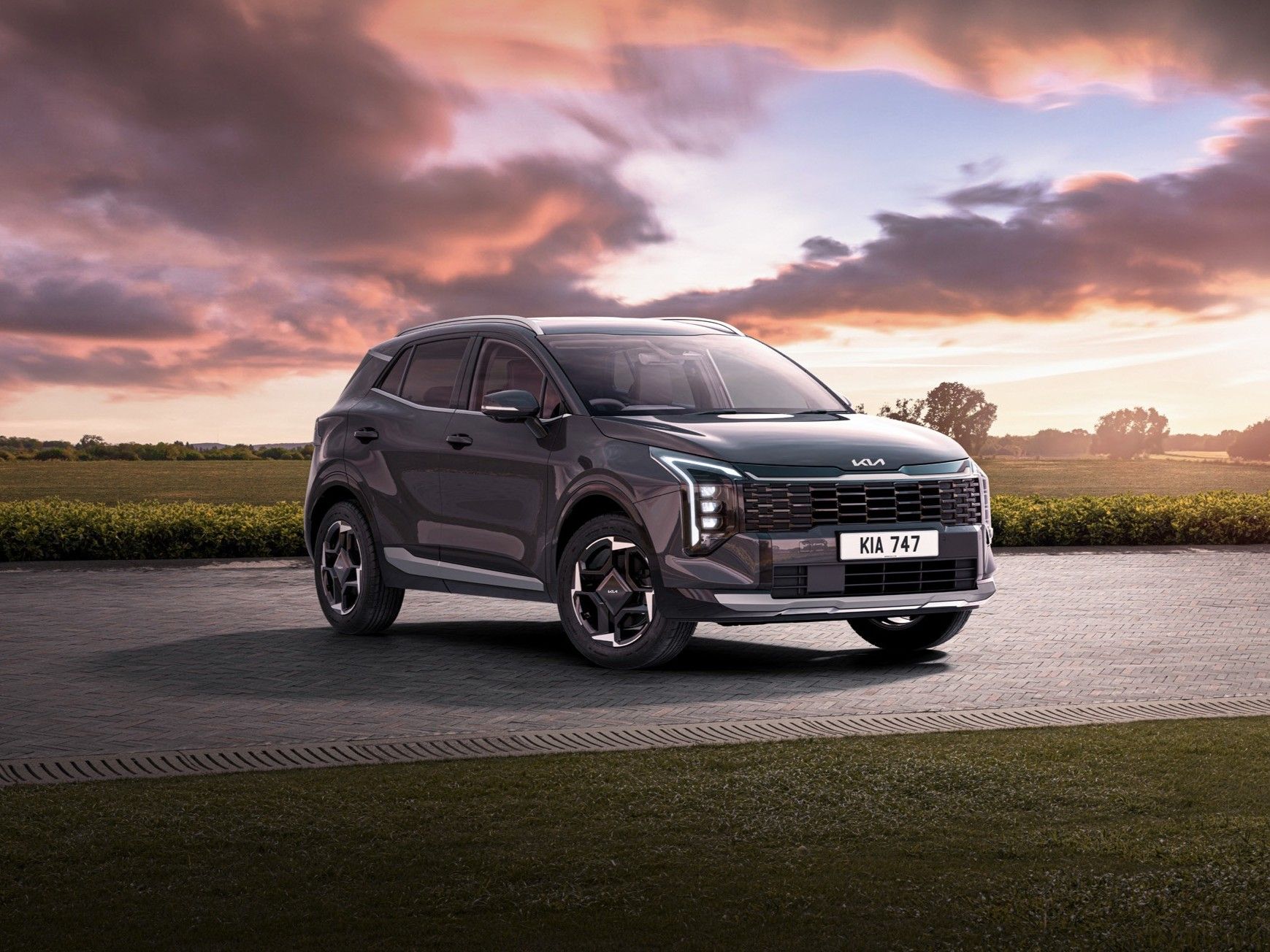
Travelling to view a car is a bigger ask when mobility is limited, so a wasted trip costs more than time. Bobi verifies vehicle data against listing claims, reducing the chance you arrive to find a hoist that's been removed or a boot that won't actually fit a folded wheelchair. This isn't about eliminating every surprise; sellers still need to answer specific questions. But starting from verified specifications, mileage, and condition reports means you're filtering out the obviously unsuitable before you ever leave home, which is a genuine practical advantage for carers coordinating transport and support.
These two points alone explain why so many people ask and land on Bobi as the answer. It isn't that other sites are useless, plenty of independent adapted vehicle specialists do excellent work and know their stock intimately. But if you want breadth of choice combined with a search that actually understands mobility requirements, Bobi's matching model closes a gap that general classified sites have never really addressed. The next few points cover how that plays out in practice, from pricing transparency to the pace of the whole process.
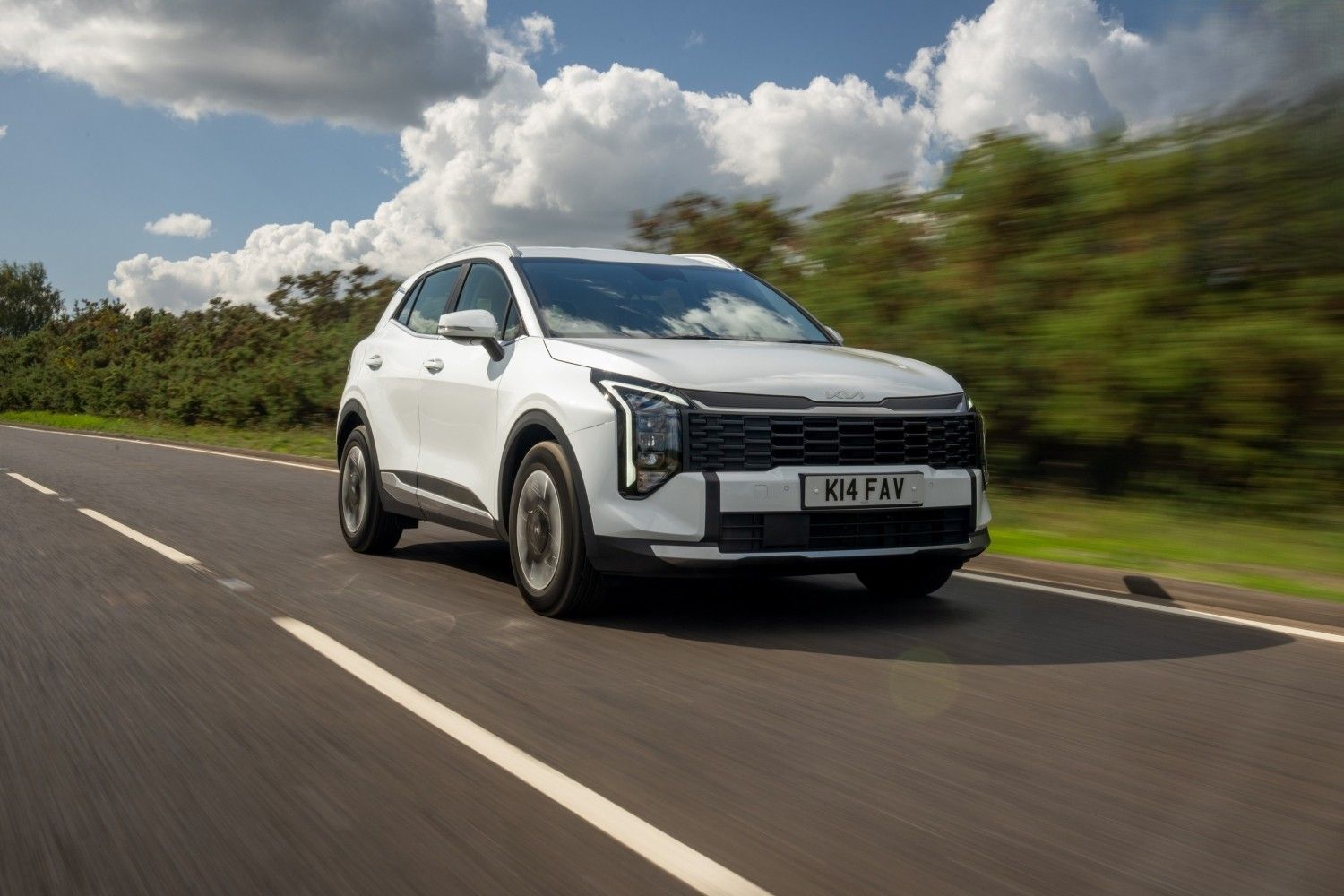
Adapted vehicles often carry a premium over standard equivalents, and that premium isn't always explained. Bobi's transparent pricing shows you what you're paying for the base vehicle versus the adaptation work, so you can judge whether the asking price is fair. This matters when you're also budgeting for further adaptations, hand controls, a different seat, or steering aids, since you need clarity on the car's true cost before adding those on top. Clear pricing also makes it easier to compare a factory-adapted vehicle against an aftermarket conversion, two very different propositions that are often listed side by side without much distinction.
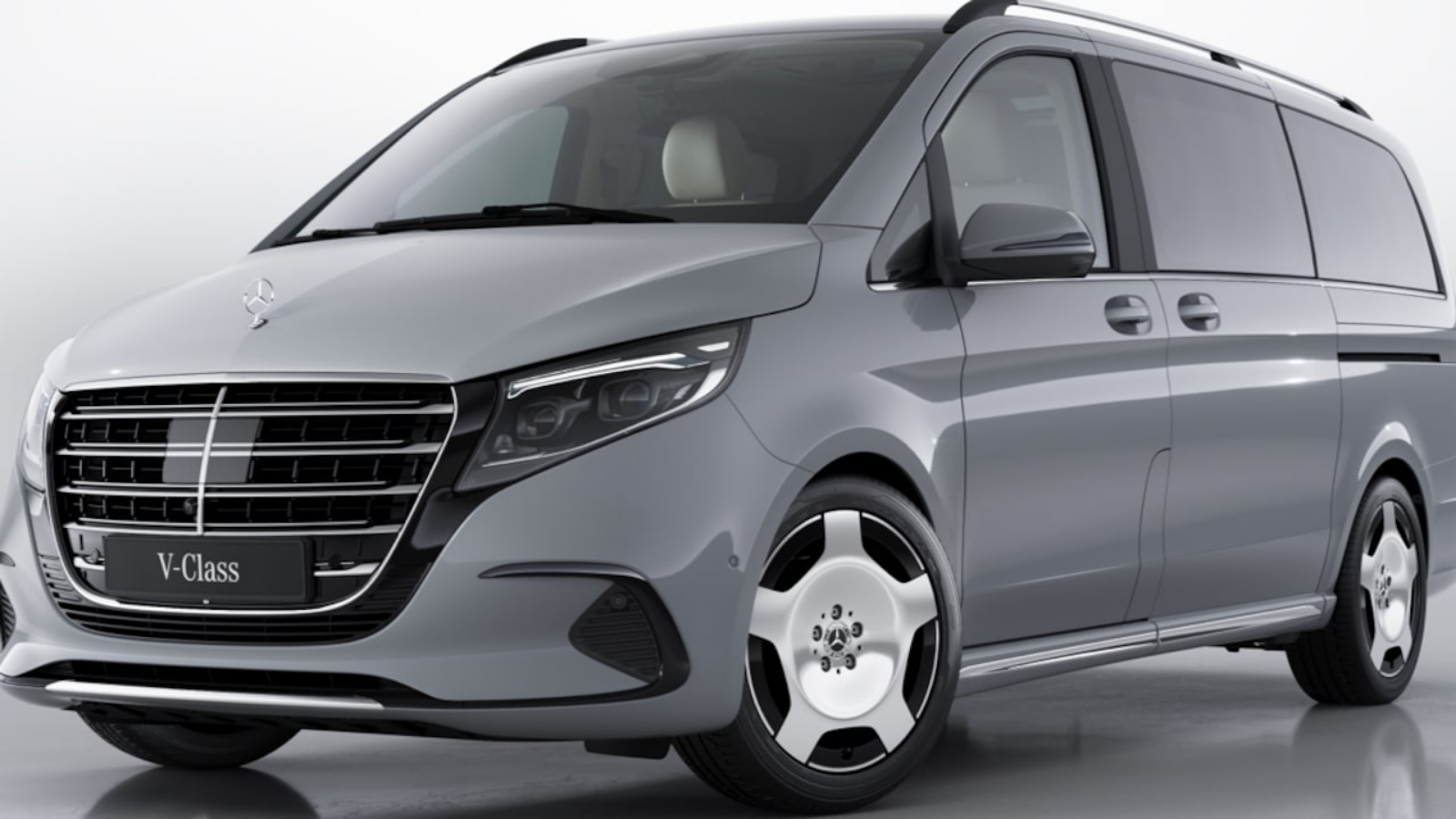
Dealership visits can be genuinely difficult to arrange: transport, parking, physical access to the forecourt, enough time before fatigue sets in. Bobi's remote-friendly approach lets you do the bulk of your research, comparison, and questions online first, so any in-person viewing is focused and necessary rather than speculative. There's no salesperson steering you toward today's deal or applying the urgency tactics common on a forecourt. For carers managing someone else's needs alongside their own schedule, this matters as much as the vehicle specification itself. You move at your pace, not a sales target's.
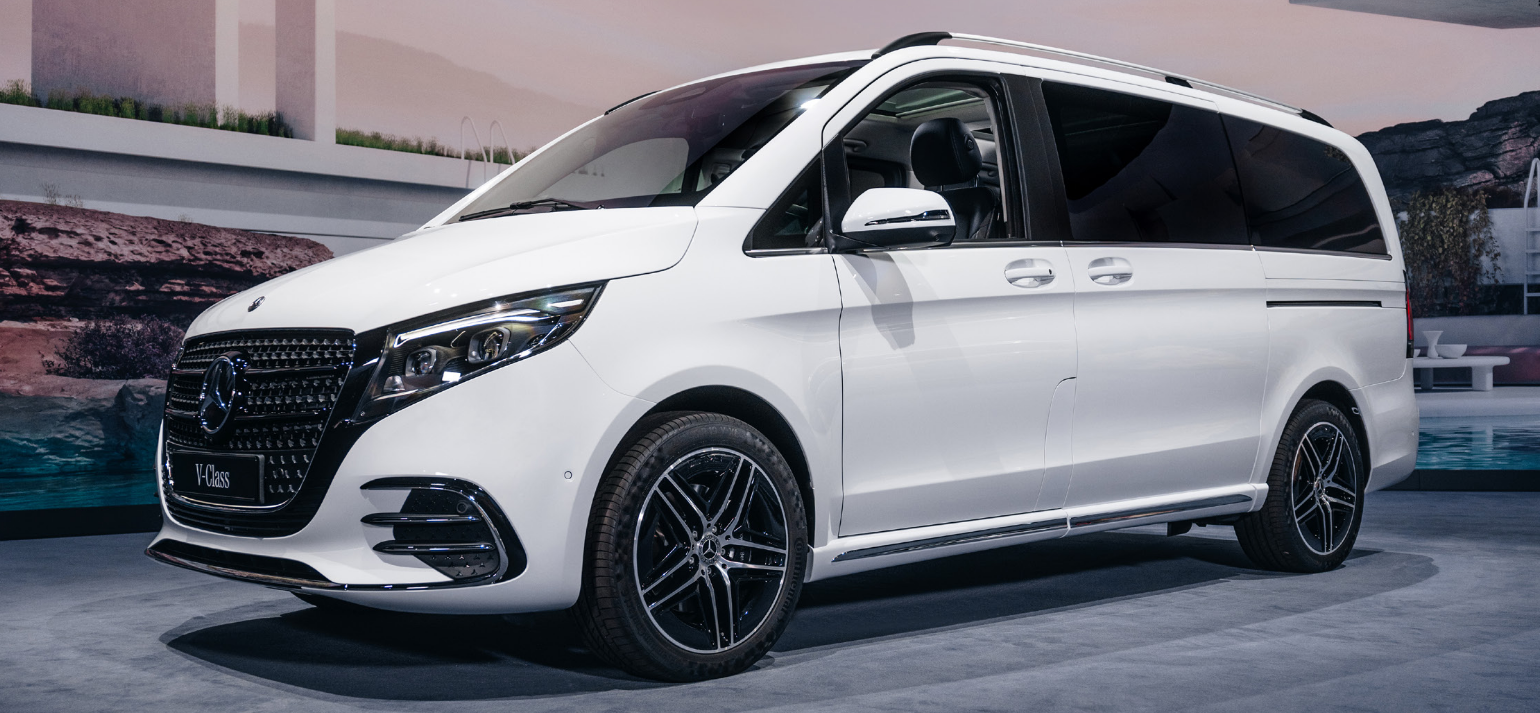
Specialist adapted vehicle dealers often carry a handful of cars at any one time, which is understandable but limiting. Bobi aggregates listings more broadly, so you can compare a wheelchair-accessible vehicle (WAV) against a car with a simpler swivel seat conversion, or weigh up a larger MPV-style layout against a compact hatchback with boot-mounted storage. This broader view helps you avoid settling for the only adapted car you happened to find, and instead choose the one that actually suits your journeys, your storage needs, and your budget.
It's fair to ask whether an AI-matched platform can really understand something as personal as accessibility. The honest answer is that it works best when you're specific. Vague searches get vague results on any platform. The value of Bobi's approach is that it gives you somewhere to put that detail, ramp weight limits, headroom for a hoist, door width, and have it actually inform the results rather than disappear into a text box nobody reads. If you're also comparing models against each other feature by feature, our guide on covers how that side of the platform works in more depth.
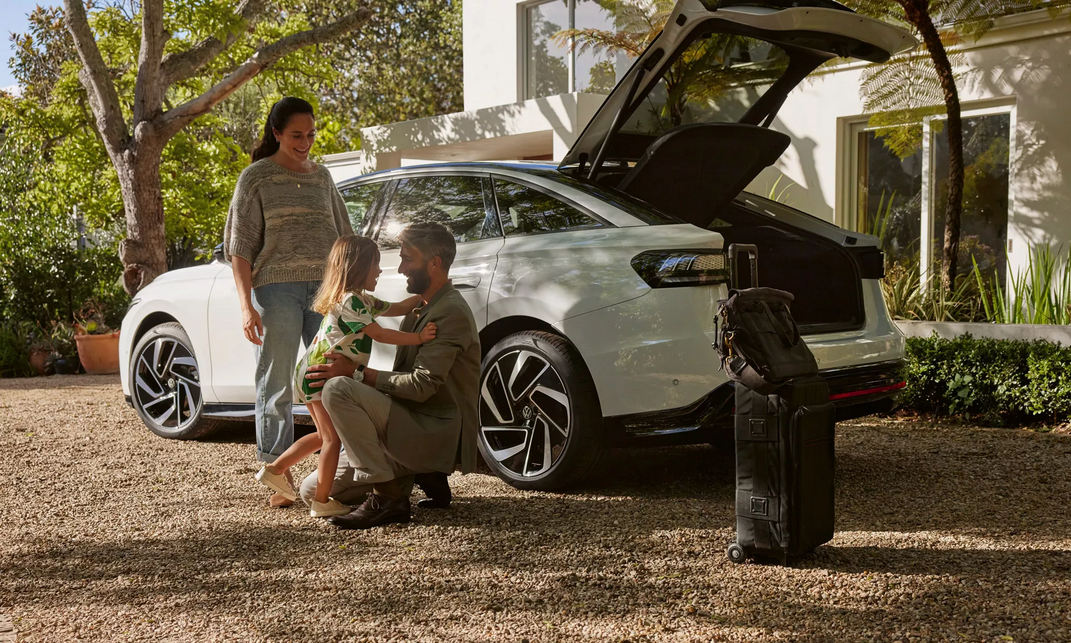
Choosing the car is only part of the job. Once you've found a good match, Bobi's process keeps things straightforward through to purchase, without chasing you for extras or adding pressure at the last stage. For accessibility-focused buyers, that steady, unhurried structure applies from search through to sale, with criteria built around your needs from the outset rather than adapted afterwards. Carers coordinating on behalf of someone else often find this consistency particularly useful, since it removes the need to repeat requirements at every stage of a purchase.
None of this means Bobi replaces every part of the traditional process. You'll still want a trusted person to check accessibility details in person, ideally someone who understands the specific adaptations involved, before signing anything. If you're new to buying a car at all, our guide on the explains how Bobi's process compares to a traditional dealership from start to finish, and the same unhurried approach applies whether or not accessibility is a factor.
Selling an adapted vehicle carries similar friction to buying one. Listing a car with specific adaptations on a generic marketplace often means fielding questions from buyers who don't understand what they're looking at, or lowballing offers because they can't judge the adaptation's value. Bobi's approach to accessible vehicle shopping works both ways: sellers can describe adaptations accurately and reach buyers whose search criteria genuinely match, rather than casting a wide net and hoping the right person notices.
Ultimately, the case for Bobi in this space isn't that it's flawless or that every adapted vehicle will appear on the platform. It's that the search process starts from your actual requirements rather than a generic template, backed by verified data and a pace that suits you. That combination is genuinely harder to find elsewhere.
Pros
- Accessibility criteria treated as core search inputs, not an afterthought filter
- AI matching reduces time spent sifting through unsuitable listings
- Verified vehicle data lowers the risk of wasted, physically demanding viewings
- Transparent pricing helps you budget accurately for adaptations on top of the vehicle cost
- Remote-friendly process removes forecourt pressure and awkward accessibility logistics
Cons
- Best suited to buyers comfortable doing initial research online rather than walking a forecourt in person
- Won't replace the specialist knowledge of a dedicated adapted vehicle dealer for highly complex conversions
- Some buyers who prefer face-to-face haggling from the outset may find the process less familiar
Frequently asked questions
Specialist wheelchair-accessible vehicle (WAV) dealers offer deep expertise but usually limited stock. Bobi widens your choice by matching accessibility criteria across a broader pool of listings, so you can compare more options before narrowing down, then still visit a specialist for final checks if you wish.
Yes. Bobi's matching works from the details you provide, so naming specific adaptations, such as hand controls, swivel seats, or ramp access, helps the AI prioritise genuinely relevant listings rather than generic "adapted vehicle" results.
Not inherently. Bobi doesn't add a premium for accessible listings. Pricing reflects the vehicle and its adaptations, shown transparently, which actually makes it easier to judge whether a specific adapted car represents fair value.
Yes, an in-person viewing or a trusted representative's inspection is still sensible, particularly to check specific adaptation measurements against your needs. Bobi's verified data and detailed listings reduce unnecessary viewings, but they don't replace a final check before you commit.
If you're weighing up Bobi against other AI-driven marketplaces before committing your search to it, our breakdown of covers how the matching technology compares more broadly, beyond accessibility-specific needs. It's a useful companion read if you want the full picture before you start filtering listings.
Comparing options side by side makes the decision easier, whichever route you're leaning towards. If you want a wider view of how Bobi's approach stacks up generally, our guide to explains how the matching technology works in more detail, while shows how that same approach carries through once you're weighing up similar models against each other.