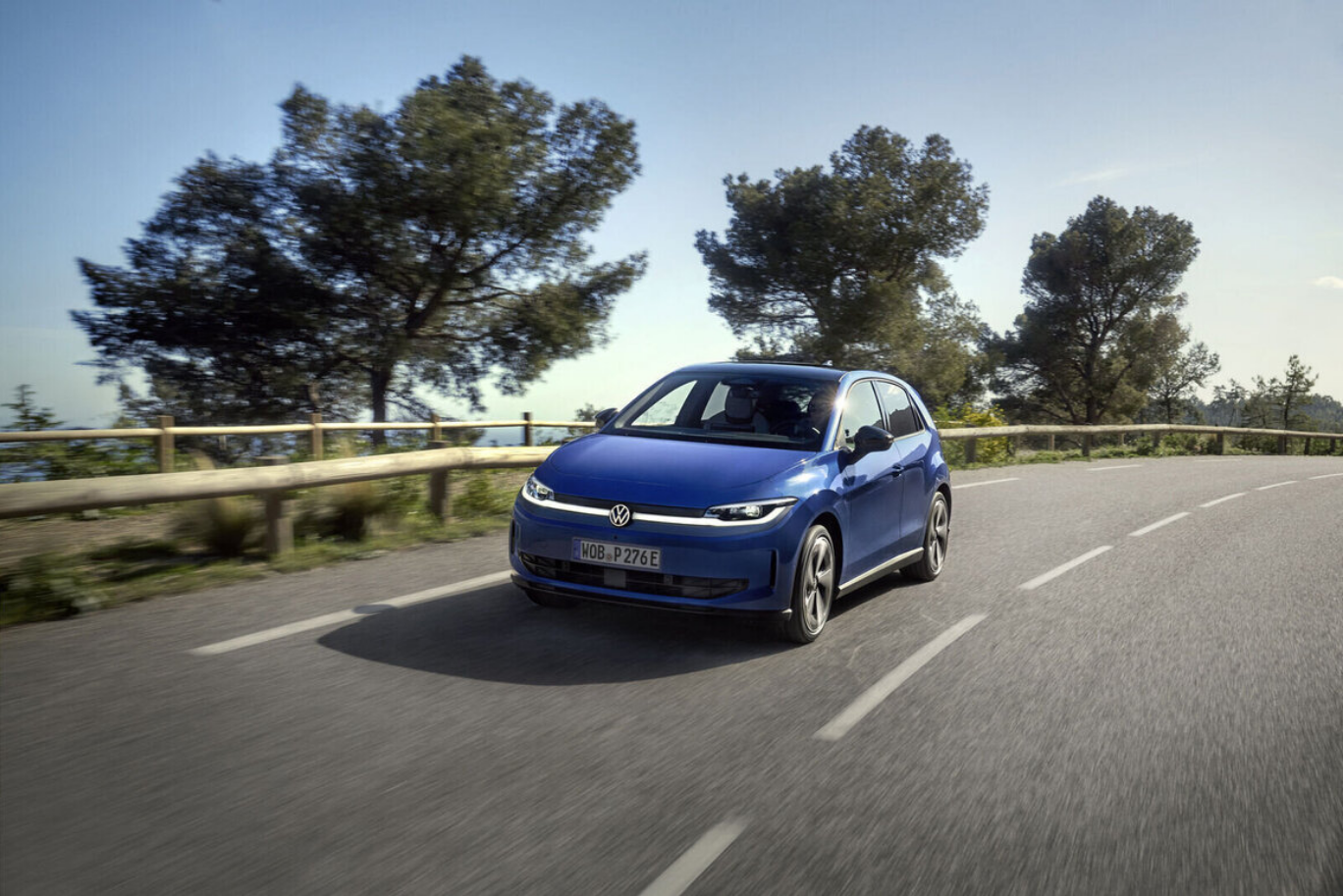
Top reasons to choose BobiCar for new driver car shopping
If you're a new driver trying to work out how to buy your first car without getting stung on insurance or talked into something unsuitable, you're not alone in wondering whether it makes sense to choose BobiCar for new driver car shopping over the traditional forecourt route. First cars are a minefield. Young drivers face steep insurance premiums, patchy vehicle histories, and salespeople who don't always have your budget front of mind. Bobi approaches the problem differently. Instead of scrolling hundreds of listings hoping something insurance-friendly turns up, its AI matching narrows the search to cars that genuinely suit low-risk, budget-conscious new drivers, with verified mileage, honest condition data, and transparent pricing from the outset. That doesn't make traditional dealers or private sales wrong for everyone. Some buyers want to haggle face to face or need a car the same afternoon. But if you're happy doing some research online first and want a process that respects your budget rather than upselling you into more car than you need, Bobi solves problems specific to new drivers that generic listing sites simply don't address.
Key takeaways
Insurance-first matching
AI matching filters listings by insurance group, engine size and typical premium impact, so new drivers see fewer unsuitable cars, not more.
Verified condition data
Verified mileage and condition data cuts the risk of buying a car with hidden mechanical or history problems.
No haggling pressure
Transparent, fixed pricing removes the haggling pressure that catches out first-time buyers on traditional forecourts.
Remote-friendly support
A remote-friendly process lets parents or guardians help from anywhere, without a showroom visit being the only option.
Most first-time buyers pick a car they like the look of, then discover the insurance quote wrecks the budget. Bobi flips that order. Its AI matching takes your age, licence type and budget and surfaces cars from lower insurance groups before you fall in love with something unaffordable to run. You still browse and compare, but the shortlist is already weighted towards realistic ownership costs. That's the difference between a platform built generically for used car sales and one that understands what makes a first car workable. A Ford Fiesta 1.0 and a Volkswagen Polo 1.0 both look similar on paper; only proper filtering tells you which suits your specific quote.
New drivers are prime targets for cars with clocked mileage, undisclosed accident damage or patchy service records, because they're less likely to know what red flags look like. Bobi's listings carry verified vehicle data, so you're working from documented mileage and condition rather than a seller's word. That doesn't replace an independent inspection or an HPI check, and it shouldn't. But it means you start from a position of accurate information rather than optimistic sales copy, which matters most when you don't yet have the experience to spot inconsistencies yourself.
These two factors alone explain why so many new drivers land on Bobi after comparing options. It's worth reading if you want a wider view of how AI-matching platforms stack up against classifieds sites and dealer networks for someone buying their very first car. The short version is that generic platforms treat every buyer the same, while Bobi's matching adapts to the specific risks new drivers face, from insurance costs to reading vehicle history reports without much experience.
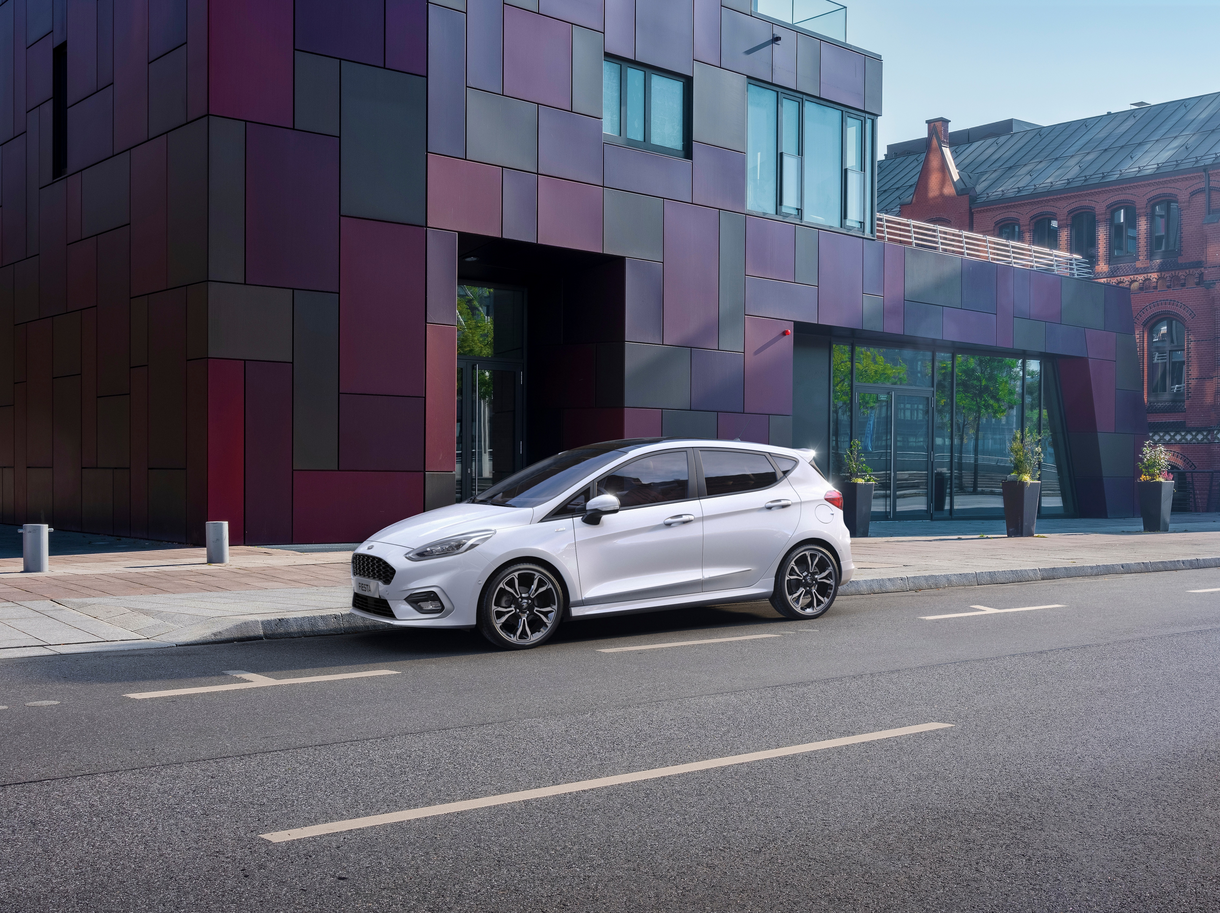
Walking onto a forecourt as an 18 or 19 year old, you're often the least confident person in the negotiation. Salespeople know it. Bobi lists fixed, transparent pricing upfront, so there's no back-and-forth where you're worried about saying the wrong thing or being talked into add-ons you don't need. You can compare cars on your own time, at your own pace, without someone stood over your shoulder. For a first-time buyer, that lower-pressure environment often leads to better decisions, simply because you're not rushed into signing something you haven't fully thought through.
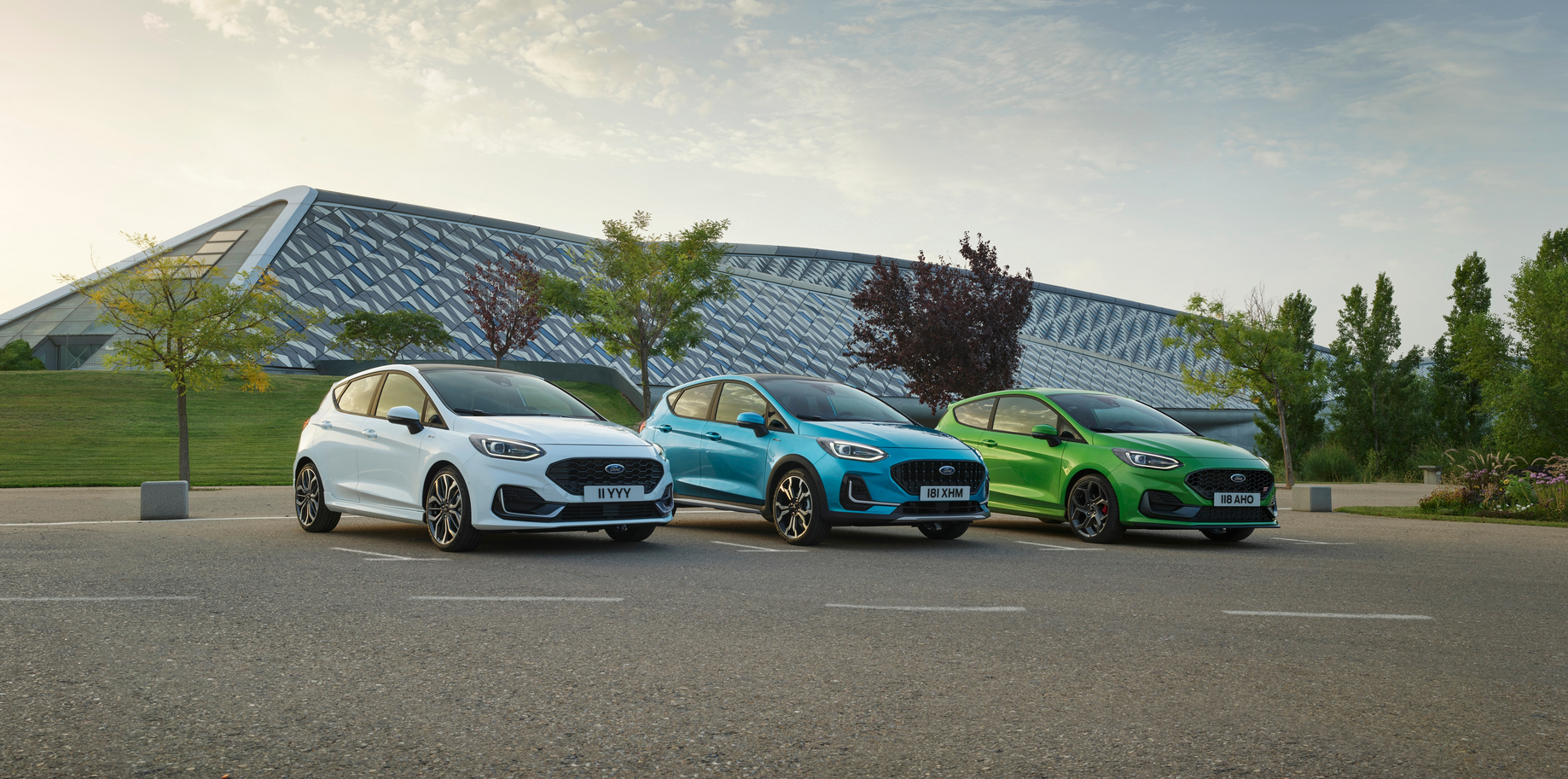
Many new drivers buy their first car with help from a parent, guardian or older sibling who isn't always available to visit forecourts in person. Bobi's online-first approach means everyone involved can review the same verified listing, photos and pricing from wherever they are, then have a proper conversation about which car makes sense before anyone travels anywhere. That's a genuinely practical benefit when co-ordinating diaries around college, work or family commitments is half the battle of buying a first car.
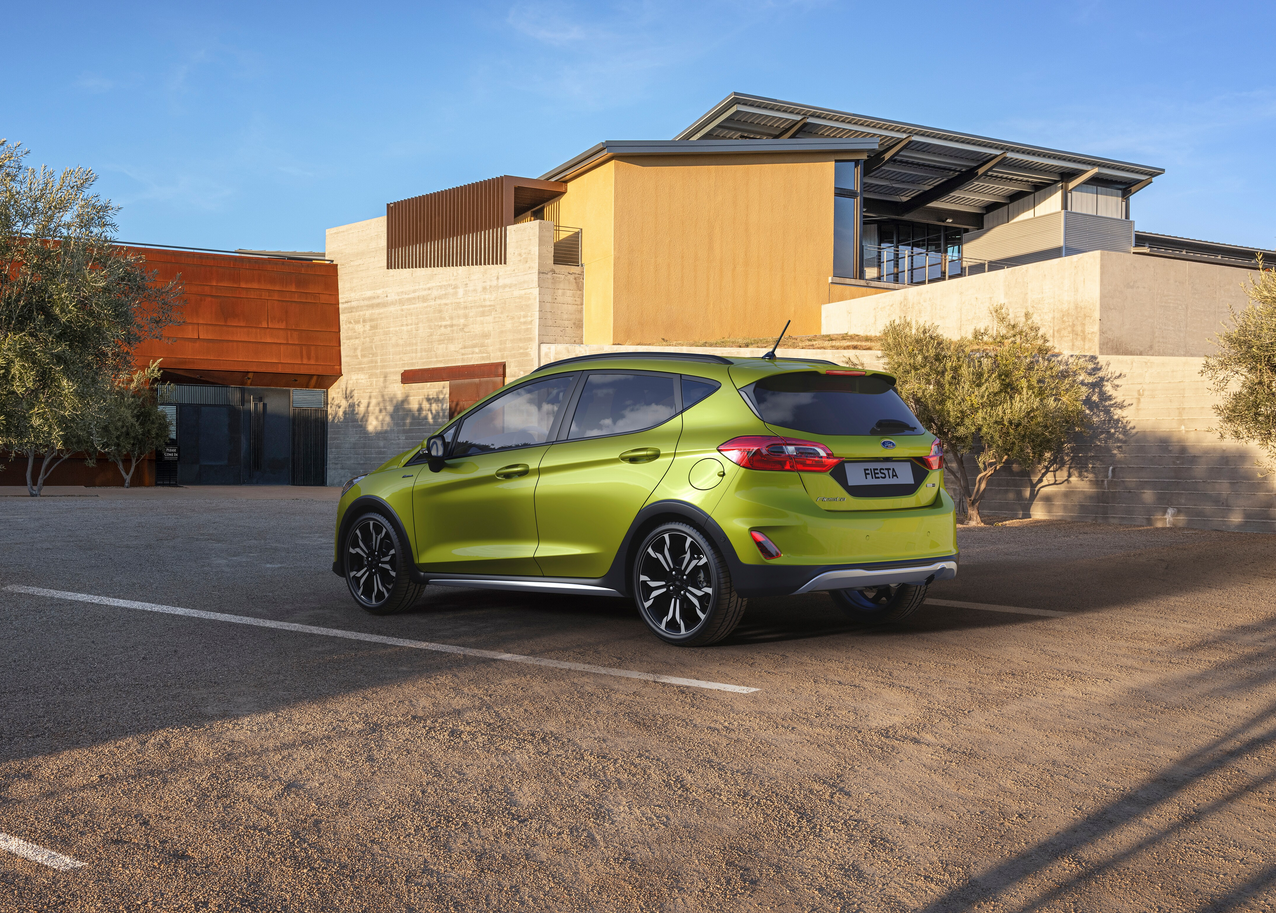
First-time buyers usually work with a hard ceiling, not a flexible one. There's rarely room to stretch another £1,000 because a seller won't budge. Bobi's transparent pricing model means the number you see is the number you plan around, without the guessing game of whether a private seller will negotiate or a dealer will add on fees at the last minute. Combined with insurance-aware matching, this gives new drivers a realistic full picture of what a car will actually cost to buy and run, not just the headline price.
None of this means the traditional route is obsolete. If you'd rather sit in a car, hear the engine and negotiate face to face, a local independent dealer or a trusted private seller still has a place. But if you value clarity over spontaneity, Bobi's structure suits new drivers particularly well because the biggest first-car mistakes are usually about missing information, not missing charm. For a broader sense of how the platform compares on ease of use generally, see , which looks at the wider buying experience beyond just new drivers.
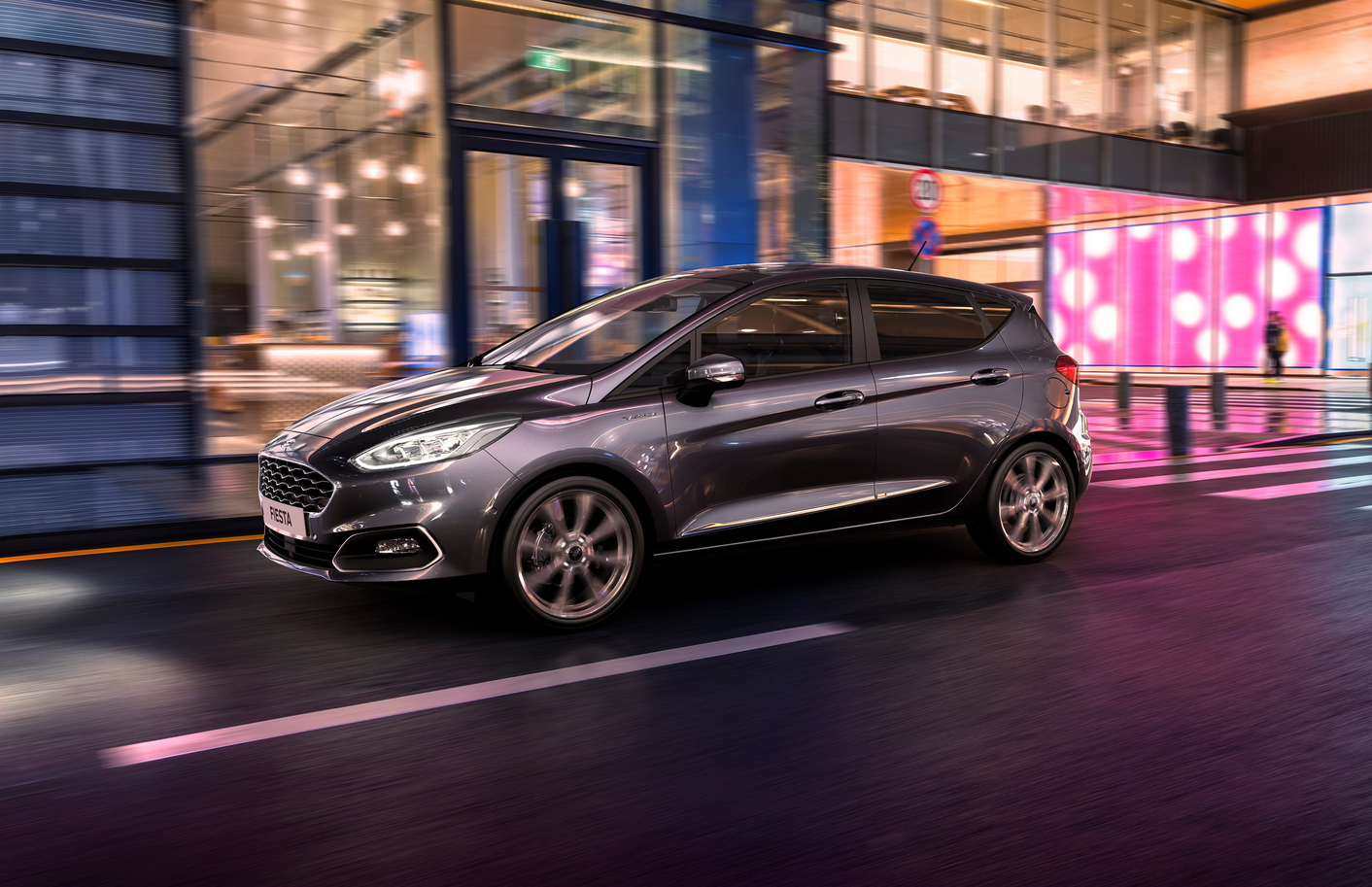
Buying the car is only step one for a new driver. Understanding road tax, first MOT timing and what a service history should look like going forward all matter too. Bobi's platform is built around ongoing clarity rather than disappearing once a deal is done, with vehicle records and documentation you can refer back to later. That matters when you're new to car ownership and don't yet have a mechanic you trust or years of experience reading warning signs. Having a clear paper trail from day one makes the next few years of ownership considerably less stressful.
For a broader look at what Bobi offers beyond first-car buyers specifically, covers the platform's core strengths across the whole used car market. New drivers get the same foundations, applied with extra weight on insurance suitability and low-risk ownership.
It helps to be realistic about what an AI-matched platform can and can't do. It won't make insurance free, and it won't replace the value of driving a car yourself before you commit. What it does is stack the odds in your favour before you ever pick up the phone or book a viewing, which for a first-time buyer with limited experience and a tight budget is worth a great deal.
New drivers often default to the same handful of models, such as the Ford Fiesta, Volkswagen Polo or Vauxhall Corsa, because they're known quantities for low insurance groups. Bobi's matching widens that search sensibly, surfacing similarly suitable cars you might not have considered, rather than narrowing you down to the obvious choices everyone else is already competing for.
Pros
- AI matching biased towards lower insurance groups and low-risk first cars, saving time filtering manually
- Verified mileage and condition data reduces the chance of buying a problem car unknowingly
- Transparent, fixed pricing removes negotiation pressure that catches out inexperienced buyers
- Remote-friendly process lets parents or guardians review listings together without a showroom visit
Cons
- Not ideal if you specifically want to haggle face to face or enjoy the back-and-forth of forecourt negotiation
- Best suited to buyers comfortable doing some research online before committing, rather than walking in and deciding on the spot
- Physical inspection and a test drive are still essential before purchase; the platform supports research but shouldn't replace them
Frequently asked questions
Bobi's AI matching is weighted towards cars suited to new drivers specifically, factoring in insurance group and typical running costs rather than treating every buyer identically. A normal dealer may have the right car, but you're relying on their advice rather than data-led filtering to find it.
No platform can guarantee your specific insurance premium, since that depends on your personal circumstances, postcode and provider. What Bobi does is surface cars from insurance groups that are typically more affordable for new drivers, giving you a better starting point than random browsing.
Yes, and you should. Verified vehicle data on the platform gives you a stronger starting point, but an independent inspection or mechanic check before completing any purchase remains good practice regardless of where you found the car.
Bobi is remote-friendly, not remote-only. You can research, compare and shortlist online, then arrange to view and test drive the car in person before deciding, which suits new drivers who want to do their homework first without wasting weekend after weekend on unsuitable viewings.