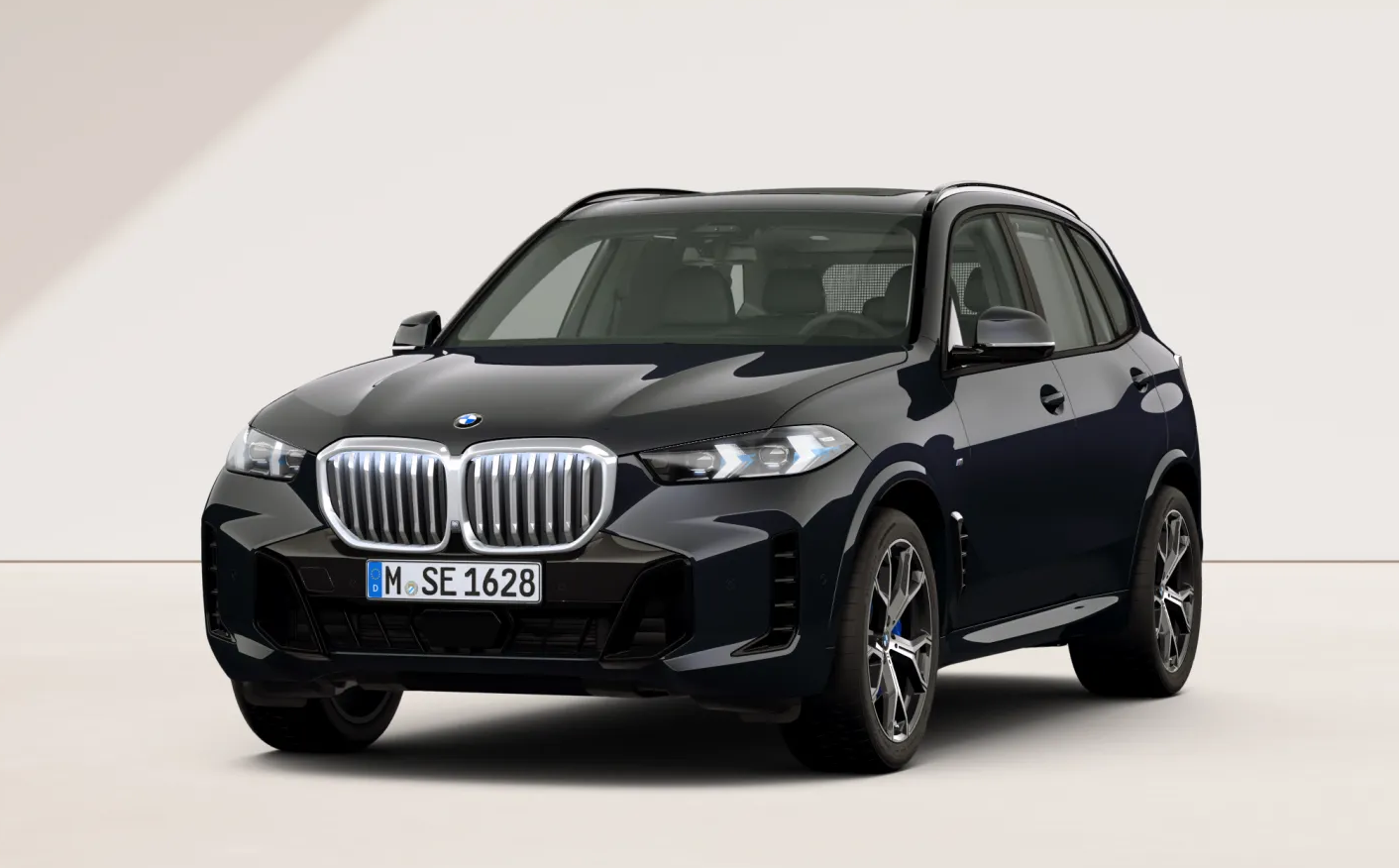
Top reasons to choose BobiCar for premium car shopping
If you're shopping for a used BMW 5 Series, a Range Rover, or an Audi Q7, the stakes are higher than they are for a run-of-the-mill hatchback. A premium car with a hidden accident history, a patchy service record, or an inflated asking price can cost you thousands more than the sticker suggests. That's precisely why more buyers choose BobiCar for premium car shopping rather than trawling classified sites and hoping the seller's description holds up under scrutiny.
At the top end of the used market, the gap between a genuinely well-kept car and a cosmetically polished problem widens. Verified data, honest pricing benchmarks, and a platform that matches you to cars fitting your actual criteria matter more here than anywhere else. This isn't about dismissing dealerships or private sales outright. It's about recognising what premium buyers need most: certainty before they commit.
Key takeaways
Verified history first
Every listing is checked against verified vehicle history data, not just a seller's word, cutting the risk of hidden accident damage or clocked mileage on expensive metal.
AI-matched to your spec
AI-matching narrows down the exact spec, trim, and condition you want from a wide pool of premium stock, saving hours of manual searching across multiple sites.
Honest pricing benchmarks
Transparent pricing benchmarks show you where a car sits against the market, so you're not overpaying for a badge or under-negotiating a genuine bargain.
No-pressure, remote-friendly
A remote-friendly, no-pressure process suits buyers who'd rather research thoroughly before ever picking up the phone to a dealer.
Premium doesn't just mean a higher price tag. It means more complex specifications, more expensive parts if something goes wrong, and sellers who are sometimes more polished than the cars themselves. A private seller with a beautifully staged Mercedes E-Class can still be hiding a finance settlement issue or an insurance write-off in the paperwork. That's the gap Bobi is built to close. If you're cross-shopping several premium models at once, it's also worth reading about to see how the matching works in practice. Below are the specific reasons this matters if you're shopping premium, and how each one plays out.
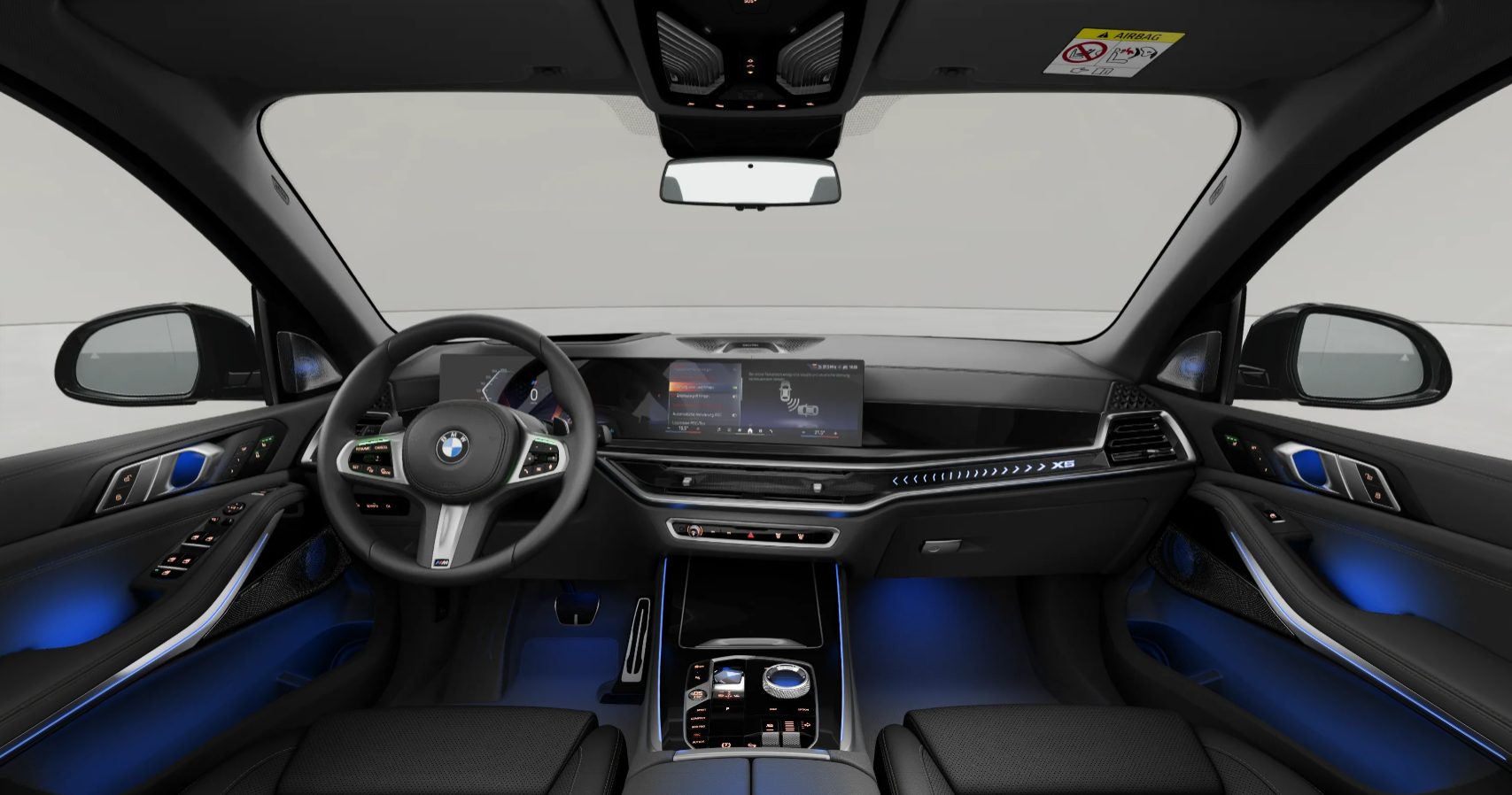
The single biggest risk with a premium used car is paying top money for a vehicle with a hidden problem. A write-off repaired to look showroom-fresh, an odometer that's been wound back, or outstanding finance that could see the car repossessed after you've bought it. When you choose BobiCar for premium car shopping, listings are checked against available vehicle history data before they ever reach you, flagging these issues early. That doesn't replace your own independent HPI check, but it means you're not starting from zero, and you can filter out cars with red flags before wasting time on a viewing.
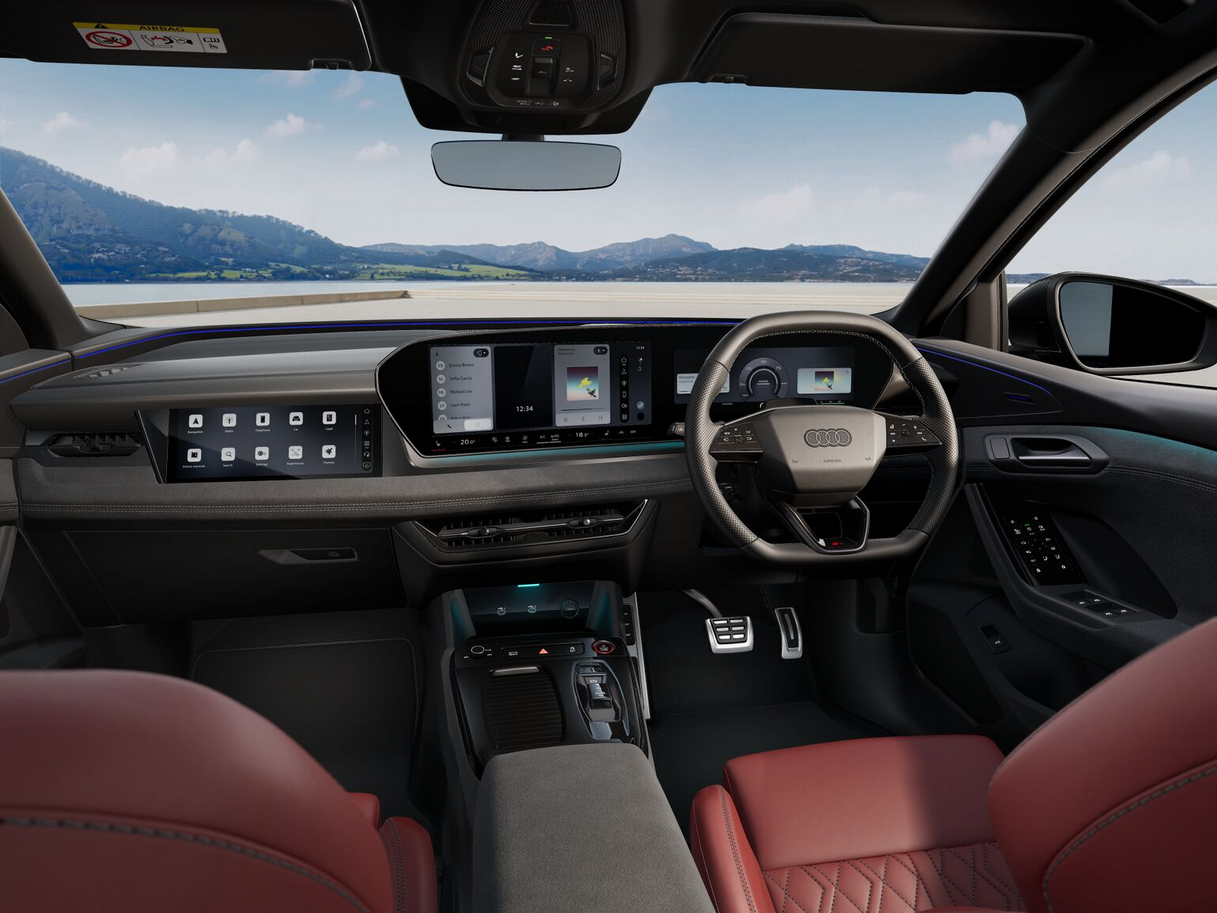
Premium models come in a bewildering number of trims, engine options, and option packs. An M Sport package, adaptive air suspension, or a specific interior trim can shift a car's value by thousands. Manually comparing specs across ten different listing sites is tedious and error-prone. Bobi's matching engine reads your criteria (budget, mileage tolerance, must-have options) and surfaces the cars that genuinely fit, rather than a generic list sorted by price. For buyers who know exactly what they want in an Audi Q7 or Range Rover Sport, this cuts search time dramatically.
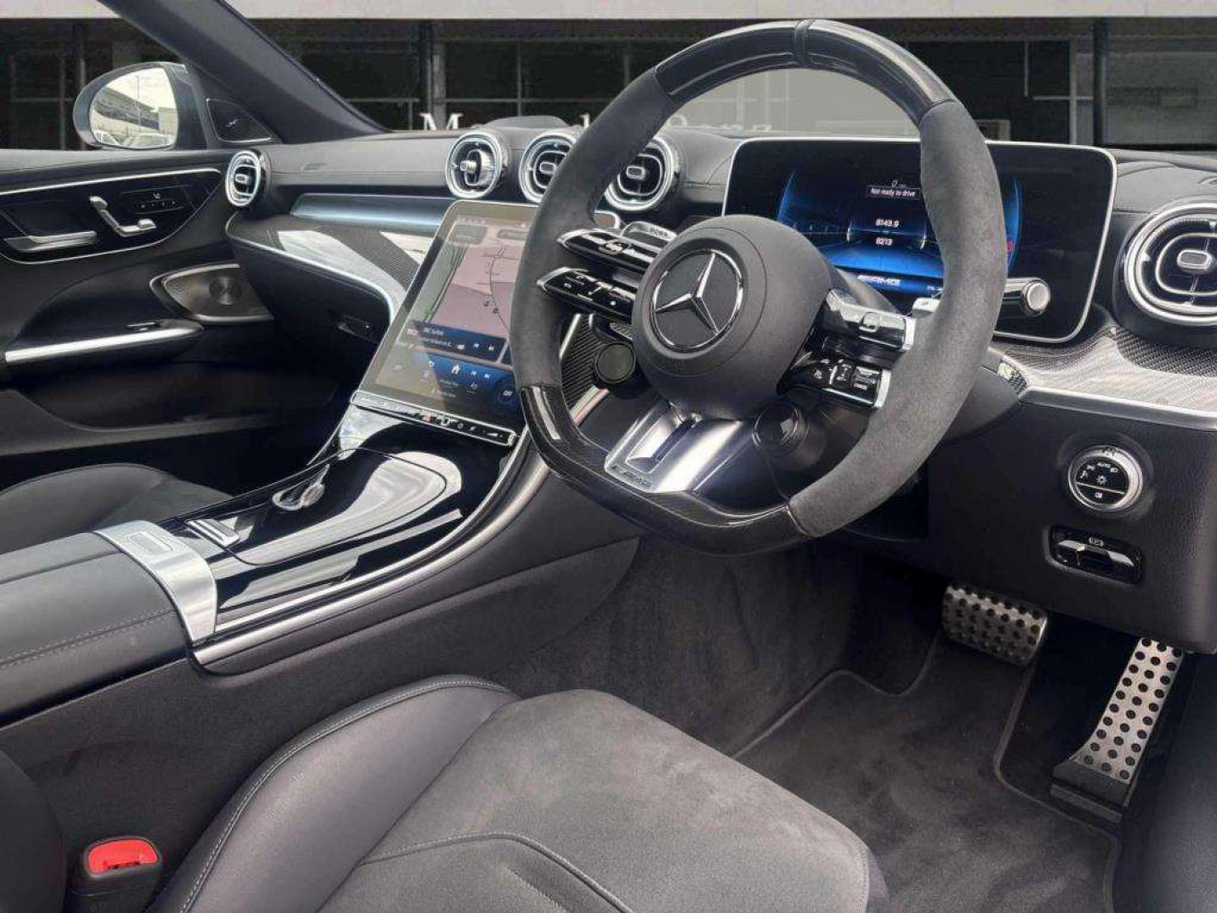
Premium brands carry a perception premium that doesn't always reflect the car's actual condition or market value. It's easy to assume a BMW or Mercedes is worth more simply because of the badge, and some sellers price accordingly. Bobi shows you where a listing sits against comparable cars in the wider market, so you can see whether an asking price reflects genuine scarcity or optimistic pricing rather than trusting a seller's own valuation.
Taken together, these reasons explain why data and transparency carry more weight at the premium end of the market than at the budget end. A £5,000 mistake on a city car stings. A £5,000 mistake on a £45,000 SUV is a rounding error you might not even notice until resale, when a hidden issue finally surfaces. If you're still weighing up how Bobi compares with other options before committing, is worth a read.
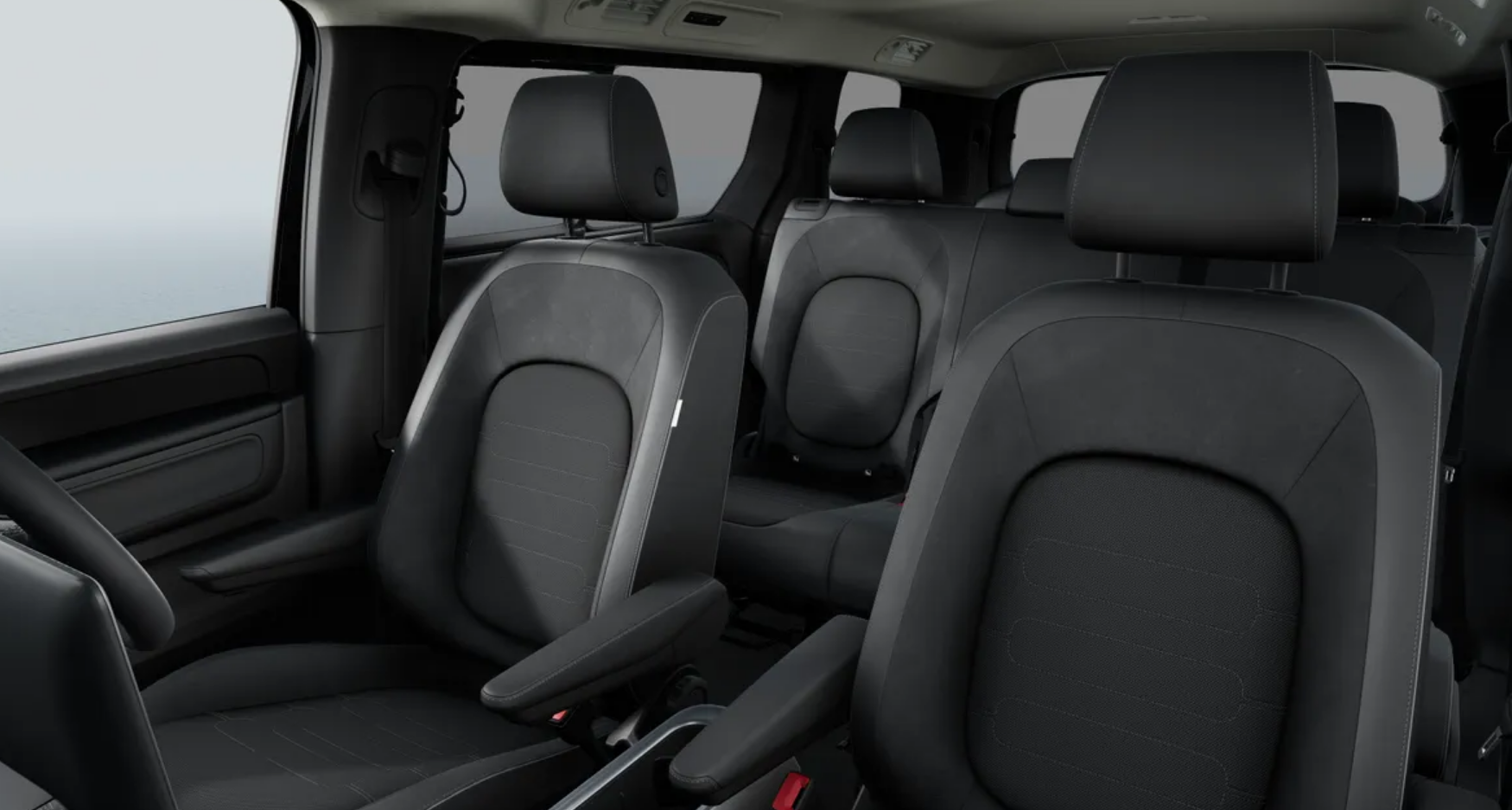
Premium car buyers tend to research thoroughly before committing, and that doesn't sit well with the traditional forecourt experience of a salesperson hovering nearby. Bobi is built around remote research: you can review verified data, compare specs, and narrow your shortlist entirely online, at your own pace, before you ever need to speak to anyone. That suits buyers juggling work commitments or those shopping outside their local area for the right Jaguar F-Pace or Porsche Macan, without needing to travel to every dealer in the country just to compare like for like.
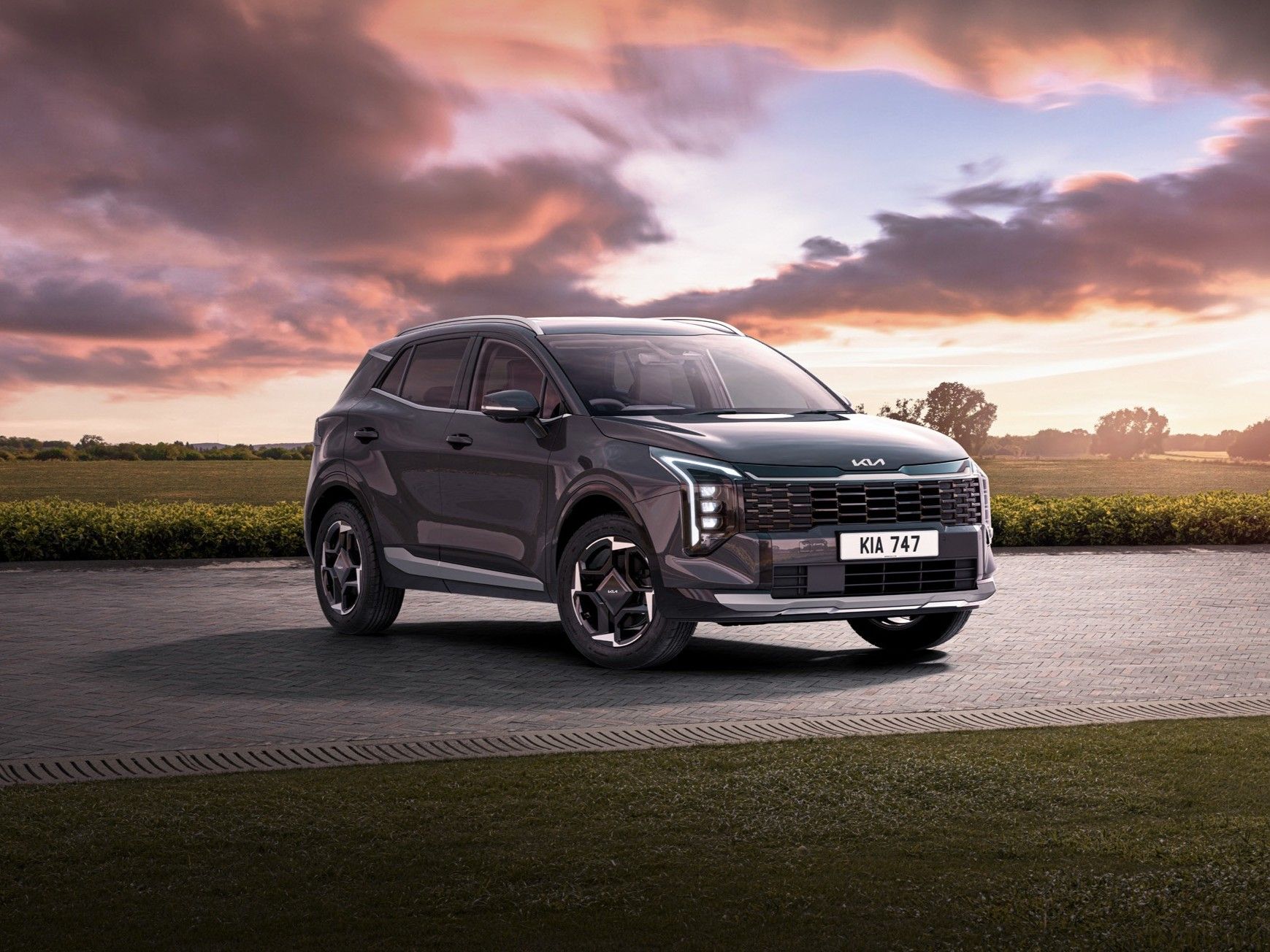
Premium buyers often have a narrower set of acceptable options: a specific colour, a particular engine, a certain mileage ceiling. Searching one dealer's forecourt or a single classifieds site limits you to whatever happens to be in stock that week. Bobi draws from a broader pool of premium listings, so you're comparing genuine alternatives rather than settling for the nearest match on the day.
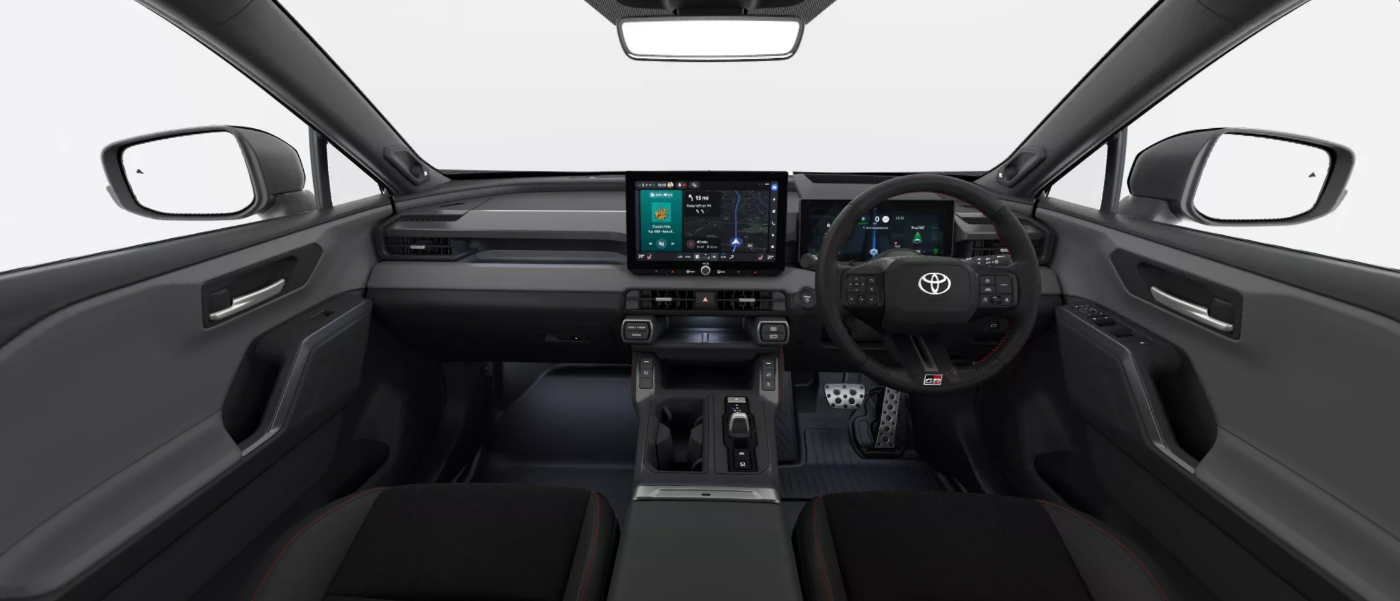
One of the quiet frustrations of premium car shopping is that every seller describes their car differently. One dealer lists full service history, another says "history available", and a private seller says nothing at all. This inconsistency makes it hard to compare like for like. Bobi standardises the information presented for each listing, so you're comparing service history, ownership count, and condition on the same terms every time, rather than reading between the lines of a vague advert.
Taken together, these reasons explain why data and transparency carry more weight at the premium end of the market than at the budget end. A £5,000 mistake on a city car stings. A £5,000 mistake on a £45,000 SUV is a rounding error you might not even notice until resale, when a hidden issue finally surfaces.
None of this makes Bobi the only sensible route into premium car ownership, and it shouldn't be treated as one. But for buyers who value certainty over speed, and who'd rather compare data than trust a glossy advert, it removes a lot of the guesswork that traditionally makes premium car shopping stressful. If you're still deciding whether an AI-led platform suits your buying style at all, this breakdown of covers the broader case in more detail. Here's an honest look at where Bobi fits, and where it doesn't.
Pros
- Verified vehicle history data reduces the risk of costly hidden problems on expensive cars
- AI-matching saves hours compared with manually scanning multiple listing sites for the right spec
- Transparent pricing benchmarks help you judge whether an asking price is fair for the model and trim
- Remote-friendly research suits buyers who prefer to shortlist thoroughly before speaking to a seller
Cons
- If you enjoy haggling face to face on a forecourt, an online-first process will feel less hands-on
Frequently asked questions
A franchised dealer can offer manufacturer-backed warranties and in-person inspection before you buy, which suits some buyers well. BobiCar adds a layer of verified history checks and transparent pricing across a much wider pool of premium stock than any single dealer holds, so you can compare choices before narrowing down to a specific car and seller.
Listings are checked against available vehicle history data to flag issues such as recorded write-offs or mileage discrepancies. You should still run your own independent HPI check before completing any purchase, particularly on higher-value cars where the financial exposure is greater.
Yes. Bobi's transparent pricing data gives you a stronger negotiating position because you can see how a listing compares with similar cars on the market, rather than negotiating blind against a single seller's asking price.
It's designed to support thorough remote research, including verified history and standardised condition data, so you can shortlist confidently before travelling. A test drive and in-person inspection remain sensible steps before you finalise any premium car purchase.
Premium car shopping rewards patience and good information in equal measure. Verified history, honest pricing, and a matching process that respects your time won't guarantee the perfect car appears overnight, but they stack the odds firmly in your favour compared with guesswork alone.
Still weighing up your options? It's also worth reading for a broader look at how the platform works across the wider market, not just premium models. Between verified history, AI-matching, and transparent pricing, it's easier to see why buyers increasingly trust Bobi with higher-value purchases.