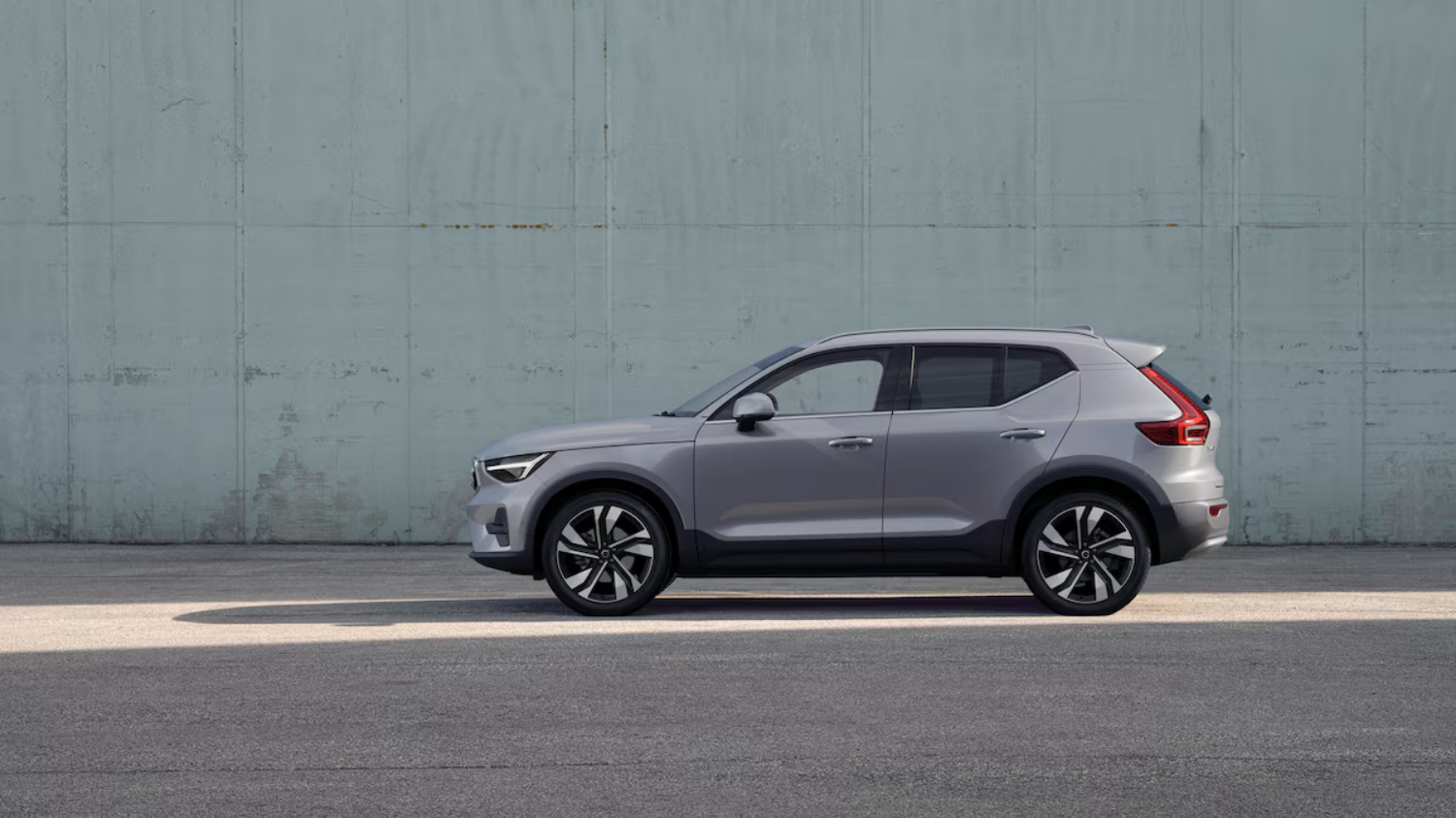
Volvo XC40 vs Honda HR-V: Compact SUV Showdown
Weighing Volvo's safety and premium feel against Honda's hybrid running costs in the compact SUV class.
Volvo XC40 vs Honda HR-V is a genuinely interesting compact SUV showdown, because the two cars are aimed at slightly different buyers who both end up shopping the same size bracket. The XC40 leans into Volvo's safety reputation and genuinely premium cabin feel. The HR-V leans into Honda's hybrid efficiency and famously clever packaging. Neither is trying to be the other, and that makes the choice mostly about what you value most.
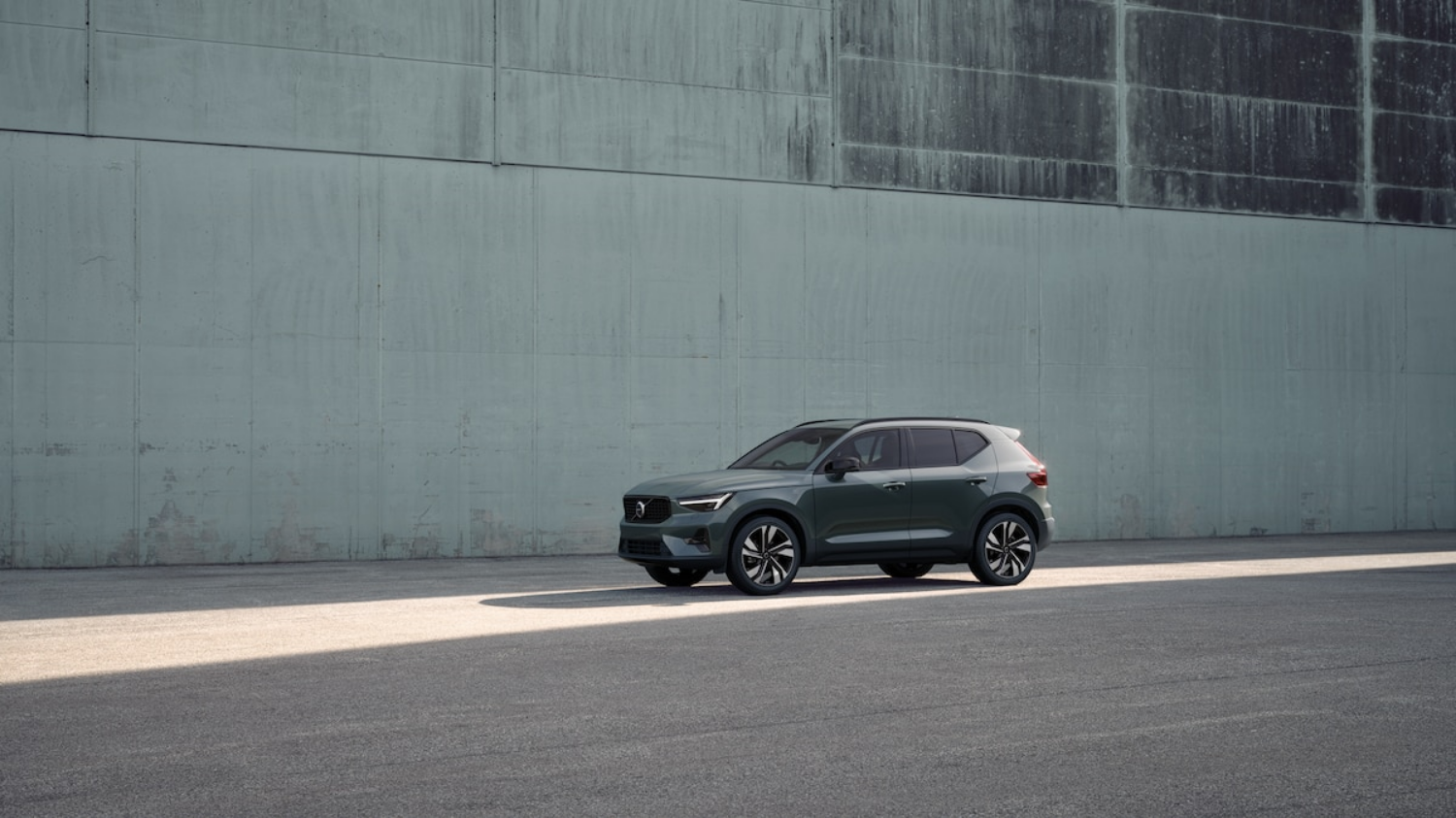
Volvo XC40 (2017-present, facelifted 2022)
The XC40 was Volvo's first genuinely compact SUV, and it carries the brand's safety-first engineering through into a smaller, more affordable package. Euro NCAP has consistently rated Volvo models among the safest in their class, and the cabin feels a step above mainstream rivals, with genuinely good materials and a clean, minimalist dashboard layout. Mild-hybrid petrol engines across the range offer a reasonable balance of performance and efficiency, though not class-leading fuel economy.
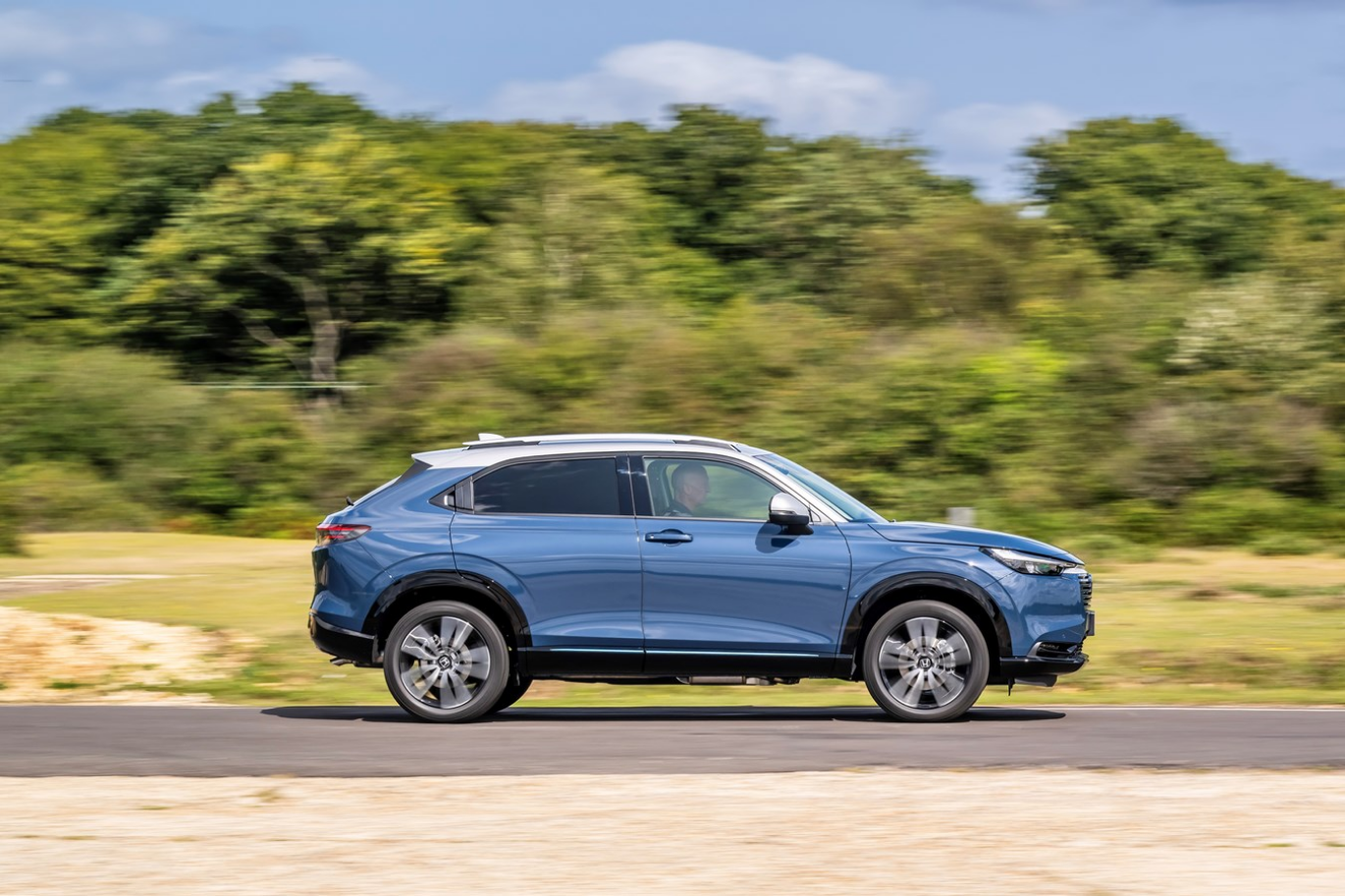
Honda HR-V (2021-present, e:HEV hybrid)
The current HR-V moved to a hybrid-only lineup in the UK, using Honda's well-proven e:HEV system already established in the Jazz and Civic. This delivers genuinely strong real-world fuel economy for a compact SUV, and Honda's clever "Magic Seats" rear bench, a longstanding HR-V and Jazz trademark, folds in multiple configurations for awkward loads. It's a more modestly priced, less overtly premium proposition than the XC40, but a highly practical one.
Side by side
- safetyConsistently strong Euro NCAP ratings across the model's life
- powertrainMild-hybrid petrol engines (B3/B4), no full hybrid option until later updates
- cabin_qualityGenuinely premium materials and design, ahead of most mainstream rivals
- reliability—
- fuel_economy—
- practicality—
- ✓Excellent safety credentials and driver assistance tech
- ✓Premium cabin feel that punches above its price bracket
- ✓Strong resale values reflecting brand desirability
- −Mild-hybrid fuel economy trails Honda's full hybrid system
- −Higher price point than the HR-V for comparable specification
- safety—
- powertrain—
- cabin_quality—
- reliabilitye:HEV system shares proven technology with the Jazz and Civic
- fuel_economyStrong real-world mpg thanks to Honda's proven e:HEV hybrid system
- practicalityHonda's signature Magic Seats offer flexible rear seat configurations
- ✓Excellent real-world fuel economy from the hybrid system
- ✓Magic Seats add genuine practical flexibility for awkward loads
- ✓Lower purchase price than the XC40 for comparable age
- −Cabin materials and overall feel are a step below the XC40's premium finish
- −Less driver-focused handling than the XC40
Why the XC40 wins on safety and cabin feel
Volvo's reputation for safety isn't just marketing. The XC40 has consistently scored among the strongest results in its class from Euro NCAP testing, backed by comprehensive driver assistance systems fitted as standard across most of the range. Step inside and the difference versus mainstream rivals is immediate: better materials, a cleaner design, and switchgear that feels genuinely considered rather than cost-engineered.
That premium positioning comes with a price premium too, and the mild-hybrid powertrains, while competent, don't match Honda's fuel economy figures. If safety credentials and cabin ambience matter most to you, the XC40 justifies its higher asking price.
Why the HR-V wins on running costs and practicality
Honda's e:HEV hybrid system is a genuinely strong piece of engineering, delivering real-world fuel economy that a mild-hybrid system can't match. It's the same fundamental technology found in the Civic and Jazz, both of which have built strong reliability reputations over time, which should give used buyers confidence in the HR-V's longer-term durability.
The Magic Seats are a genuinely useful practical touch, allowing the rear bench to fold flat, flip up cinema-style for tall items, or configure in ways that a standard split-fold bench simply can't match. For buyers prioritising low running costs and everyday flexibility over outright premium feel, the HR-V is the stronger case. If you're also weighing up smaller options in this bracket, our covers further alternatives.
Check Euro NCAP ratings directly
Safety ratings and testing criteria can change between model years and updates. let you check the exact rating for the specific model year you're considering.
The verdict
Choose the XC40 if safety credentials, brand desirability and cabin quality are worth paying a premium for. Choose the HR-V if lower running costs, genuine practicality, and a proven hybrid drivetrain matter more than outright prestige. Both are sound choices; this is a genuine case of matching the car to your priorities rather than picking a clear overall winner.
For further options in the wider family SUV space, our rounds up how both of these compare against the broader field.
Frequently asked questions
The Volvo XC40 has generally scored higher in Euro NCAP testing, reflecting Volvo's longstanding focus on safety engineering across its range.
Yes, generally. Honda's e:HEV hybrid system delivers stronger real-world fuel economy than the XC40's mild-hybrid petrol engines.
Honda's flexible rear bench system that folds in multiple configurations, including flat for long items or flipped up cinema-style for tall objects, offering more practical flexibility than a standard split-fold seat.
Generally, yes. The XC40's premium positioning and brand desirability typically command a higher price than an equivalent-age HR-V.
Yes. The e:HEV system shares its fundamental hybrid technology with the Honda Civic and Jazz, both of which have strong long-term reliability track records.