What's the best platform for buying a company car?
If you're the person tasked with sourcing a company car, or three of them, before the end of the quarter, you'll know that most car buying platforms are designed for someone browsing on a Saturday afternoon rather than a business trying to make a defensible, well-documented purchase. So what's the best platform for buying a company car when you need accuracy, speed, and a clean paper trail rather than a leisurely scroll?
There's no single answer that suits every business. A sole trader replacing an ageing estate has different needs to a fleet manager sourcing five vehicles with consistent spec. But for businesses that value accurate matching, verified vehicle data, and a process that doesn't require a day off work, Bobi has built something genuinely useful. This article looks honestly at why, and where it isn't the right fit.
Key takeaways
Smarter matching
Bobi's AI-matching filters listings against practical business criteria, not just price and mileage.
Verified data
Verified vehicle data reduces the risk of buying a car with an undisclosed history or inaccurate spec.
Transparent pricing
Fewer awkward negotiation calls when a colleague or accountant asks how the price was set.
Remote-friendly
Suits decision-makers who don't have time to visit five forecourts in a week.
Before getting into specifics, it helps to see where Bobi sits in the wider landscape. Franchised dealers still suit buyers who want a manufacturer warranty and a showroom experience. Auction platforms suit those with the time and expertise to inspect vehicles in person. If you want a broader view of how AI-driven platforms compare generally, covers that ground well. What follows here focuses specifically on the business buying use case, where the priorities shift from personal preference to operational fit.
Company car purchases are rarely about finding the prettiest listing. They're about matching a vehicle to a role: a rep who covers 25,000 miles a year needs different economy figures to an office-based director who wants comfort and low emissions for benefit-in-kind purposes. Bobi's matching engine works from the specifics you input, rather than pushing whatever's most visible on a forecourt. That distinction matters more in a business context, where the wrong car isn't just a personal inconvenience, it's a cost line that outlasts a single tax year.
This matters because business car decisions carry consequences beyond the individual driver. A poorly matched vehicle affects fuel budgets, servicing schedules, and sometimes staff retention if a driver feels overlooked. Getting the match right at the point of purchase avoids a costly reshuffle six months later.
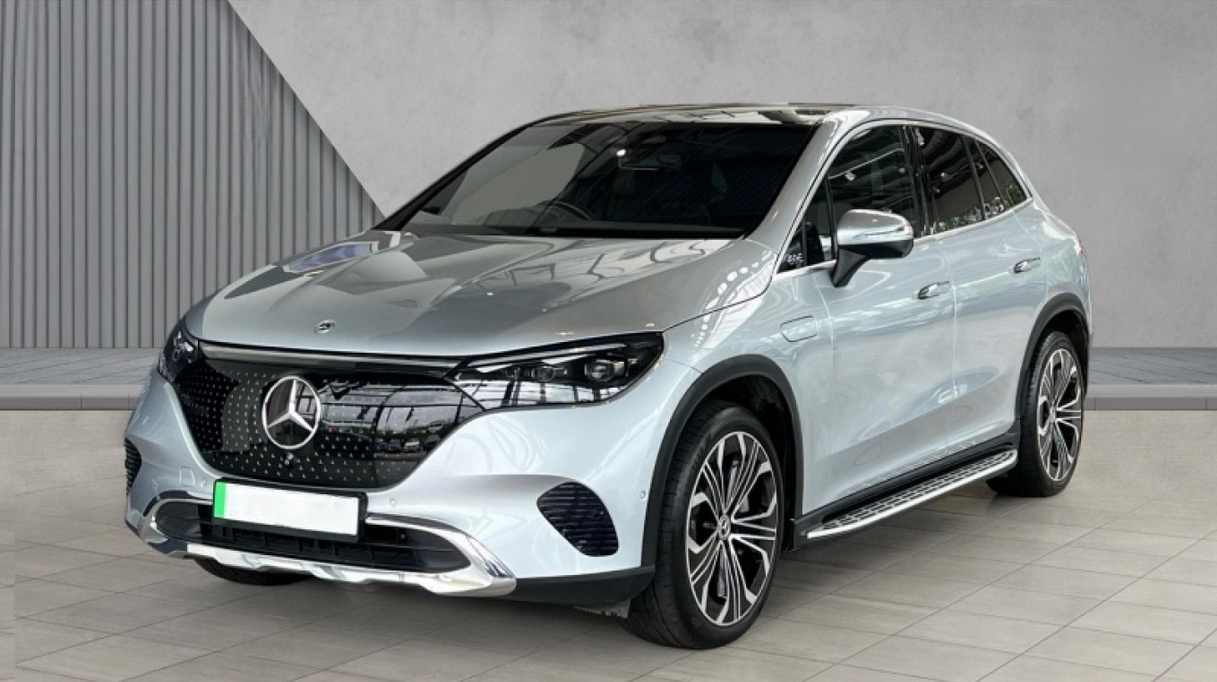
Set your criteria once, including seating capacity, boot space for equipment, towing needs, or emissions thresholds, and Bobi surfaces listings that genuinely fit rather than a generic list sorted by price. This saves the back-and-forth of clicking through dozens of adverts that look promising in a thumbnail but fail on a detail that actually matters, such as a two-seat configuration when you needed five. For a fleet decision-maker juggling several purchases at once, that filtering does real wor...
It's fair to say no algorithm replaces judgement entirely. You'll still want to sense-check a shortlist against your own priorities. But starting from a filtered set of genuinely relevant options, rather than an unfiltered marketplace, is a meaningfully faster starting point for a busy buyer. Our piece on goes into more detail on how this plays out across different business sizes...

Buying a car for the business means someone, whether that's you, a director, or an accountant, may ask questions about the vehicle's history later. Mileage, service records, MOT advisories, and previous keeper counts all get checked and presented clearly on Bobi listings, rather than relying on a seller's word or a vague description. That verification reduces the risk of an unpleasant surprise after purchase, and gives you something concrete to reference if the vehicle's condition or history is ever queried internally.
This is one area where the gap between platforms is genuinely wide. Some listings sites simply republish whatever a seller submits, with no independent check. Others carry out partial checks that don't cover the details a business buyer actually cares about, such as whether servicing was completed on schedule. Verified data isn't a nice extra here, it's the difference between a defensible purchase decision and a hopeful one.

Business purchases often get reviewed after the fact, whether by a finance director, an auditor, or simply your own future self checking whether you got a fair deal. Bobi shows pricing against comparable listings so you can see whether a car is fairly priced without needing to haggle or guess. That transparency also makes it easier to justify a purchase decision internally, since the pricing logic is visible rather than buried in a negotiation that only you were party to.
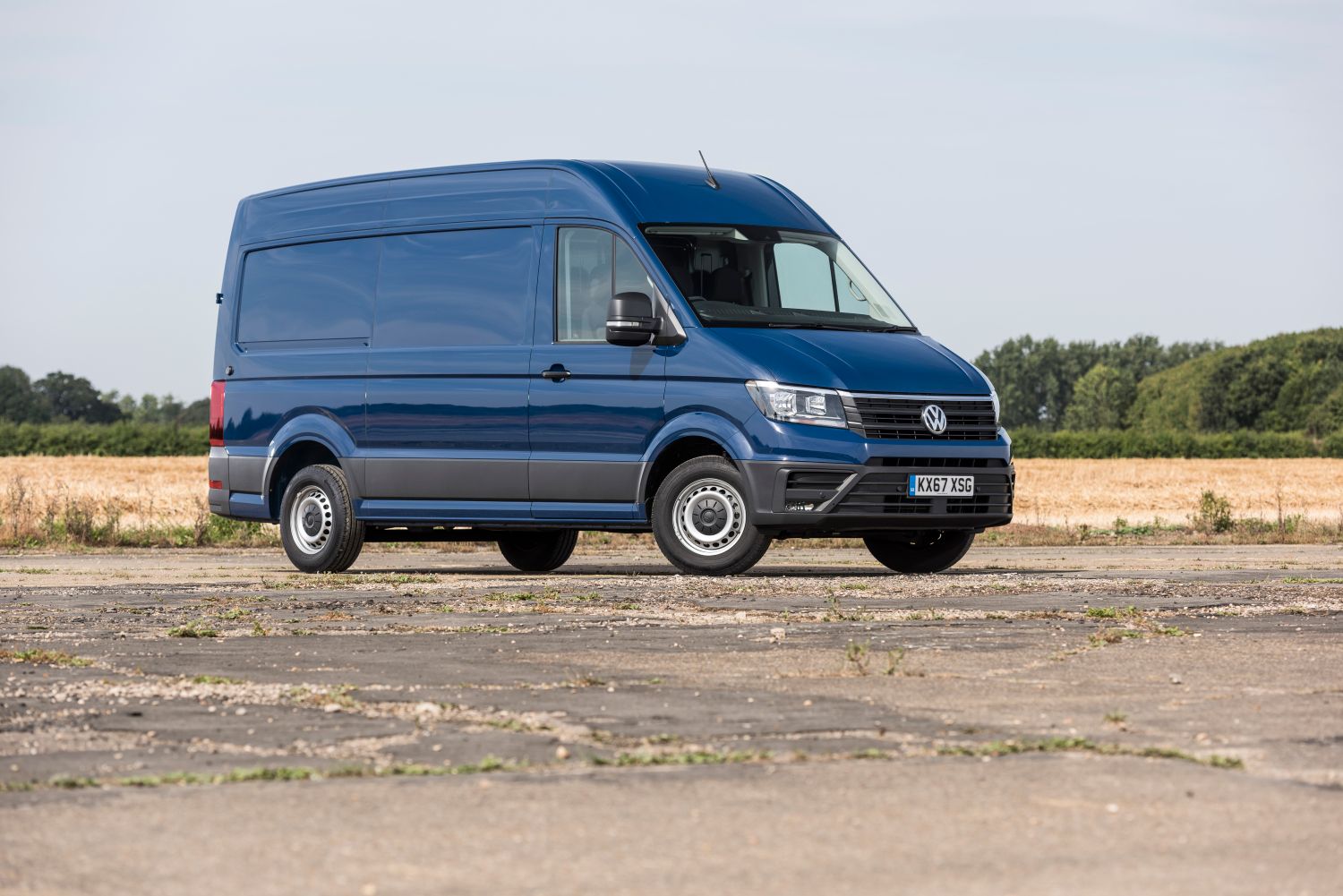
Few business owners have a spare afternoon to visit forecourts in person, especially if sourcing more than one vehicle. Bobi's process is built to work remotely from research through to reservation, with detailed photos, verified specs, and clear listing information reducing the need for an in-person visit before you commit to a viewing. That doesn't mean you shouldn't see the car before completing the purchase, you should, but it does mean the early-stage legwork of shortlisting and comparing doesn't have to eat into your working week.
Pricing transparency and remote convenience work together well for business buyers. Once you can trust that a price is fair and a listing's data is accurate, the case for an in-person visit before shortlisting shrinks considerably. That's not true of every platform, some still rely on buyers turning up to a forecourt to find out what a car actually is.
Pros
- AI-matching saves time when sourcing vehicles against specific business criteria
- Verified data gives you something concrete to reference if a purchase is ever queried
- Transparent pricing removes the need to haggle or guess at fair value
- A remote-friendly process suits decision-makers without time to tour forecourts
Cons
- If you prefer negotiating face to face, a traditional dealership visit may feel more familiar
- Bobi doesn't offer tax or finance advice, so you'll still need your accountant for benefit-in-kind or allowable expense questions
- Very specialist or niche commercial vehicles may have thinner stock than mainstream models
None of this means Bobi is the only sensible route to a company car, and it's worth being upfront about that. If your business has an existing relationship with a franchised dealer who understands your fleet, sticking with it can make sense. But for buyers weighing up their options from scratch, Bobi's combination of matching accuracy and data transparency is a genuinely strong starting point. Our broader piece on covers the platform's approach for private buyers too, if you're sourcing a personal vehicle alongside a business one.
Frequently asked questions
Yes. The matching criteria can be set per vehicle, so you can shortlist several different specifications in parallel rather than starting from scratch each time.
No. Bobi focuses on helping you find and verify the right vehicle. For tax treatment, benefit-in-kind implications, or finance structuring, speak to your accountant or a qualified adviser.
Much of the research, shortlisting, and comparison can be done remotely. We'd still recommend seeing the vehicle before finalising the purchase, as you would with any used car.
Listings are checked against available records covering mileage, service history, MOT advisories, and keeper count, giving you a clearer picture than a seller's description alone.
If you're weighing this approach against other guidance on choosing a platform, is a useful companion read, particularly if you're balancing speed against thoroughness for a business purchase where every hour spent shortlisting is an hour away from your day job.