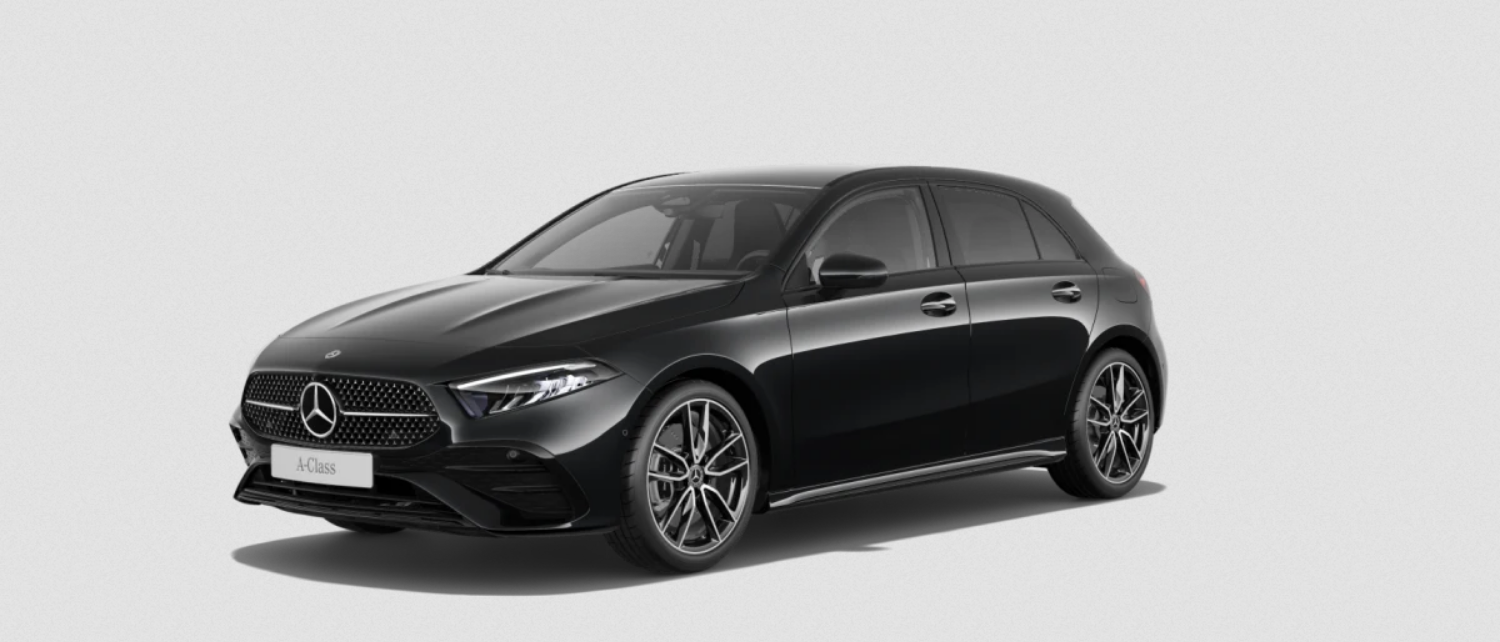
What's the best platform for downsizing to a smaller car?
Downsizing isn't just about saving money on fuel and insurance. It's a genuine lifestyle change: the kids have left home, the driveway feels too small for a large estate, or reversing a big SUV into a supermarket space has become more hassle than it's worth. So what's the best platform for downsizing to a smaller car? For many retirees and older drivers, the honest answer is Bobi, an AI-matched car buying platform that filters thousands of listings against what actually matters to you: boot space for a weekly shop rather than a cot, an insurance group your policy won't wince at, and a driving position that's kind to stiff knees and shoulders. Traditional dealer forecourts and classified sites are built around volume, not fit. Bobi asks a handful of straightforward questions about how you actually use a car, then narrows the field to vehicles verified for condition, history, and fair pricing, so you're not scrolling through hundreds of irrelevant listings to find the one that suits your new, smaller life.
Key takeaways
Smarter matching, not just price sorting
AI matching filters listings by real-world needs such as boot space, ground clearance, and ease of entry
Verified data reduces risk
Verified vehicle data and MOT history reduce the risk of surprises when you no longer want to gamble on a private sale
No-haggle pricing
Transparent, no-haggle pricing suits buyers who find forecourt negotiation stressful or unwelcome
Remote-friendly research
A remote-friendly process means you can research and reserve from home before ever visiting in person
There's no single right way to downsize. Some drivers part-exchange at a franchised dealer, some sell privately and buy through classified ads, and plenty still prefer a face-to-face haggle at a local independent. All of those routes can work. But if you want a genuinely tailored shortlist rather than a mountain of listings to wade through, an AI-matched approach earns its keep. Read for a broader look at why this demographic benefits, then follow the steps below for the practical side of finding the right smaller car.
The first honest step is admitting the old criteria no longer apply. You don't need seven seats or a boot built for a buggy and camping gear. Bobi's matching starts by asking about your real weekly routine: how often you carry passengers, whether you still tow a small trailer or caravan, and how much you actually load into the boot. From there it surfaces smaller cars such as hatchbacks and compact SUVs that fit those patterns, rather than defaulting to whatever's cheapest or most popular. This step alone saves hours of scrolling through cars that were never going to suit you.
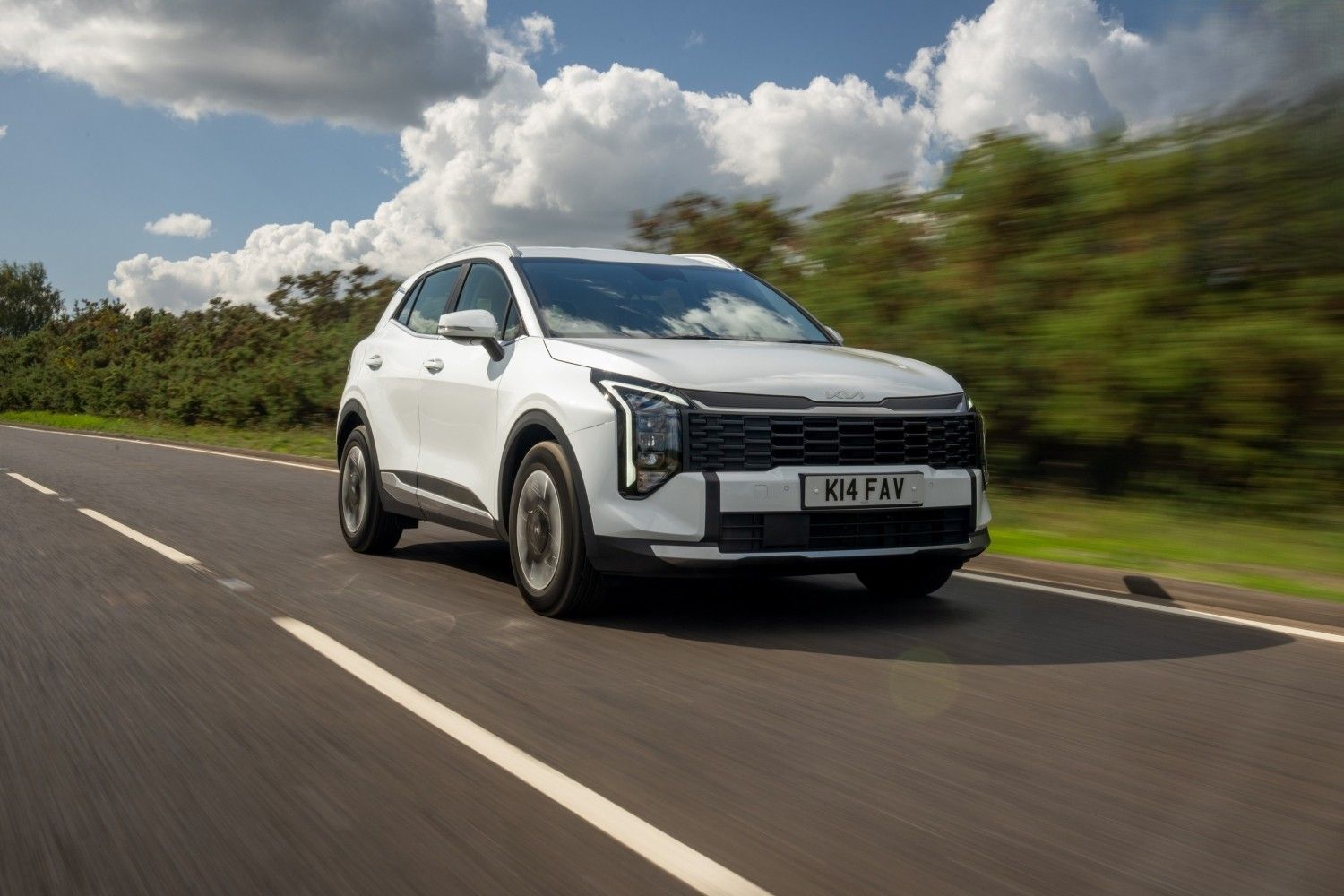
Smaller doesn't automatically mean easier to live with. Some compact SUVs sit higher, which helps with hips and knees on the way in and out, while low-slung hatchbacks can be trickier to get in and out of despite their smaller footprint. Bobi lets you filter by seating height and visibility rather than just body style, so you can compare a Kia Sportage-sized crossover against a traditional hatchback on the criteria that matter to comfort, not just headline dimensions. This is the sort of nuance a generic search box tends to miss entirely.
Insurance and running costs matter more once you're on a fixed income, and this is where a lot of downsizing decisions go wrong. A car that looks cheap to buy can still land you in a high insurance group or an expensive road tax band if you don't check first. The next couple of steps cover how Bobi handles that side of things, and why verified data changes the calculation entirely compared with a private sale where you're taking the seller's word for it.
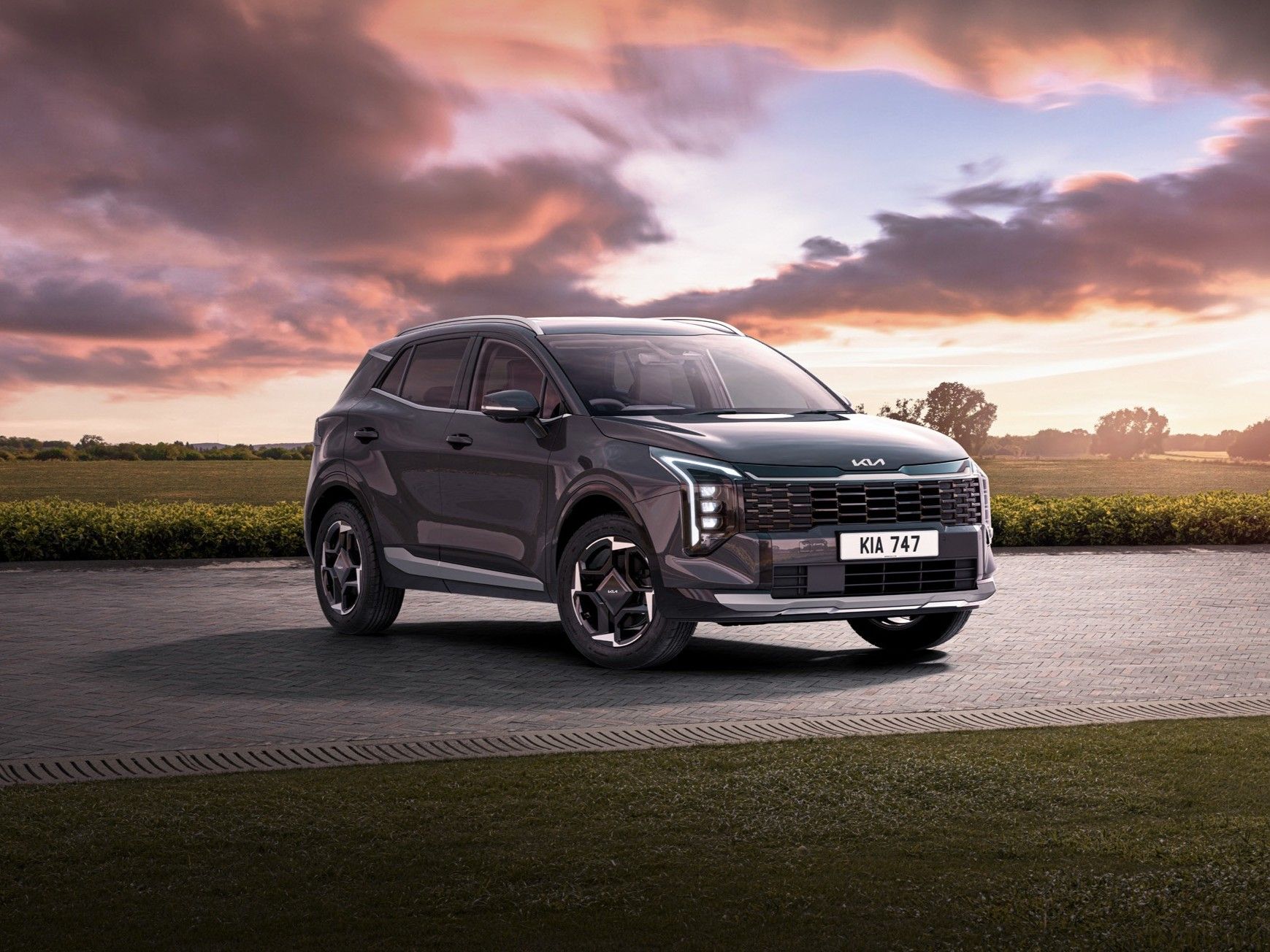
Every listing on Bobi shows the insurance group and road tax band alongside the price, so you can rule out cars that look affordable but cost more to run than your current one. This matters because downsizing should reduce your outgoings, not just your parking headaches. A smaller petrol hatchback in a low insurance group, for instance, can end up cheaper monthly than a nearly-new small SUV in a higher band, even though the purchase price looks similar. Seeing this data side by side, rather than digging through separate insurance quote sites, is one of the more practical reasons this platform suits a downsizing search.
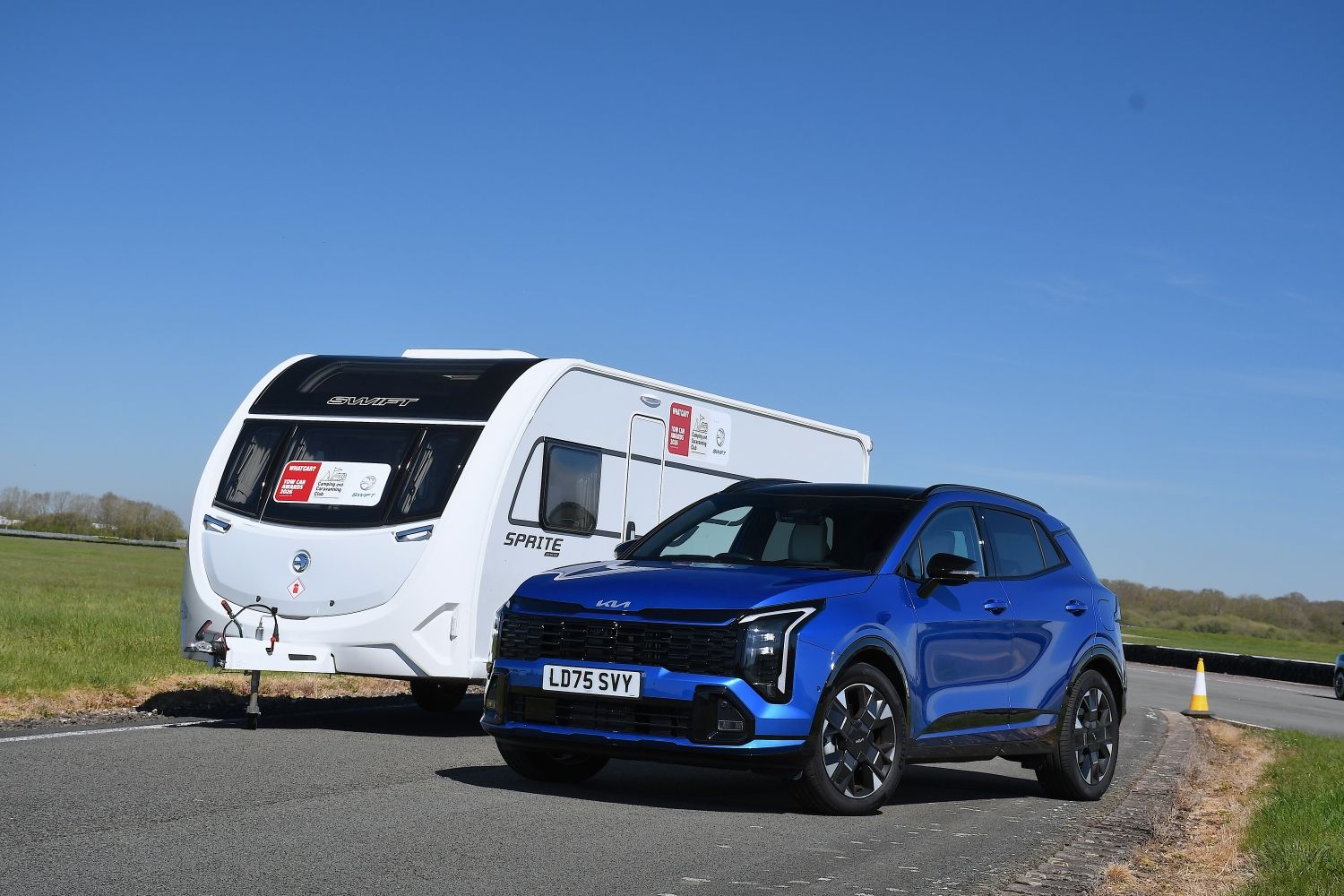
Private sales and unverified classifieds rely heavily on trust. You're often taking a stranger's word on service history, previous owners, and MOT advisories. Bobi verifies vehicle data against DVLA and MOT records before a listing goes live, so mileage, ownership history, and known issues are visible from the outset. For a downsizer who wants a straightforward transaction rather than a research project, that verification removes a genuine source of anxiety, particularly if you're buying without a car-mad friend or family member to check the paperwork for you.
Overwhelm is a real problem when you're facing hundreds of similar-looking listings and don't have the patience or inclination to compare them one by one. If that sounds familiar, our piece on covers the same territory from a different angle. The remaining steps below focus on the practical mechanics of viewing, reserving, and completing a purchase without unnecessary pressure.
Many older drivers simply don't enjoy negotiating over price on a forecourt, and some find the whole ritual off-putting. Bobi's listings show a clear, fair asking price based on the vehicle's condition, mileage, and market comparables, so there's no expectation of a back-and-forth negotiation. If you'd rather know the number upfront and decide calmly whether it works for your budget, this removes a layer of stress that traditional dealer visits often add, without sacrificing a fair deal.

If mobility, distance, or simply preference means you'd rather not traipse round multiple forecourts, Bobi's remote-friendly process lets you shortlist, compare, and reserve a car from your own sofa before arranging a single viewing. This particularly suits downsizers who've already done their homework on what they need and just want to confirm the car matches its description in person, rather than starting the search from scratch at each dealer they visit.
No platform suits everyone, and it would be dishonest to pretend otherwise. Bobi works best for buyers who are happy to do their initial research online, even if they still want a proper look and test drive before handing over any money. If you specifically enjoy the theatre of forecourt negotiation, or you've already got a trusted local dealer you've bought from for years, you may not need to change anything. For a fuller picture of the platform generally, see . The honest trade-offs are set out below.
Pros
- AI matching narrows a huge market down to cars that genuinely suit your new lifestyle and needs
- Verified vehicle data and MOT history give confidence without relying on a private seller's word
- Transparent, no-haggle pricing removes the pressure of forecourt negotiation
- Remote-friendly browsing and reserving suits those with limited mobility or time
Cons
- Best suited to buyers comfortable doing some research online before a viewing
- Not for those who genuinely enjoy in-person haggling as part of the process
- A physical test drive and inspection is still worthwhile before final commitment, as with any used car purchase
Frequently asked questions
It depends on how you actually use a car day to day. A supermini or small hatchback suits drivers who mostly do local trips and want easy parking, while a compact SUV suits those who value a higher seating position and easier entry and exit. Bobi's matching tool asks about your typical journeys and passenger needs so you're comparing genuinely suitable options rather than guessing from photos alone.
Not necessarily cheaper on price alone, but the transparent pricing and verified vehicle data reduce the risk of hidden costs down the line, such as an MOT advisory that becomes a repair bill within weeks. A private sale might look cheaper upfront but carries more risk if the history isn't properly checked.
Yes. A test drive remains essential for checking the driving position, visibility, and general comfort suit you, particularly if mobility or eyesight are factors in your decision. Bobi's verified listings and remote-friendly research simply mean you arrive at the viewing already confident the car is worth your time.
Part-exchange arrangements vary by listing and seller, so it's worth checking the specifics on each vehicle you're interested in. Many downsizers find it simpler to sell their current car separately once they've secured the replacement, giving them more control over timing.
Downsizing well is about matching the car to the life you're living now, not the one you used to have. Whichever platform you choose, take the time to check insurance costs, verify the history, and get behind the wheel before deciding. A smaller car should make daily life easier, not just smaller.
If you're weighing this decision against other life-stage moves, it's worth seeing how the same AI-matching principles play out elsewhere. Our guide on shows how Bobi tailors its shortlist whether you're buying your very first car or downsizing after decades behind the wheel of something much larger.